Key Points
When people hear “Kawai,” most think of pianos. But between the 1960s and 1980s, Kawai Guitars was one of the leading companies in Japan’s electric-guitar boom — producing everything from OEM exports to avant-garde originals. Although Kawai ended its guitar production in 2007, its instruments are still loved by many vintage-guitar fans.
- Kawai was a major force in Japan’s 1960s–80s electric-guitar boom, producing large-scale OEM exports and later distinctive original models under its own brand.
- Iconic models like the Moonsault and RG Series showcased bold design and technical experimentation, setting Kawai apart from more traditional makers.
- Though guitar production ended in 2007, Kawai guitars remain rare and collectible, especially valued by vintage enthusiasts seeking unique Japanese-made instruments.
Brand Overview / History
Kawai Musical Instruments (Kawai Gakki Seisakusho) is a Japanese musical-instrument manufacturer founded in 1927 by piano craftsman Koichi Kawai. Through decades of innovation, Kawai became one of Japan’s most respected instrument makers.
In 1958, the company established a guitar division, starting with classical guitars, and by 1963, Kawai had begun large-scale OEM production of electric guitars for export.
A major turning point came in 1967, when Kawai acquired Teisco. The company expanded electric-guitar production dramatically — reaching a rate of 40,000–50,000 instruments per month at its peak, mainly as OEM production.
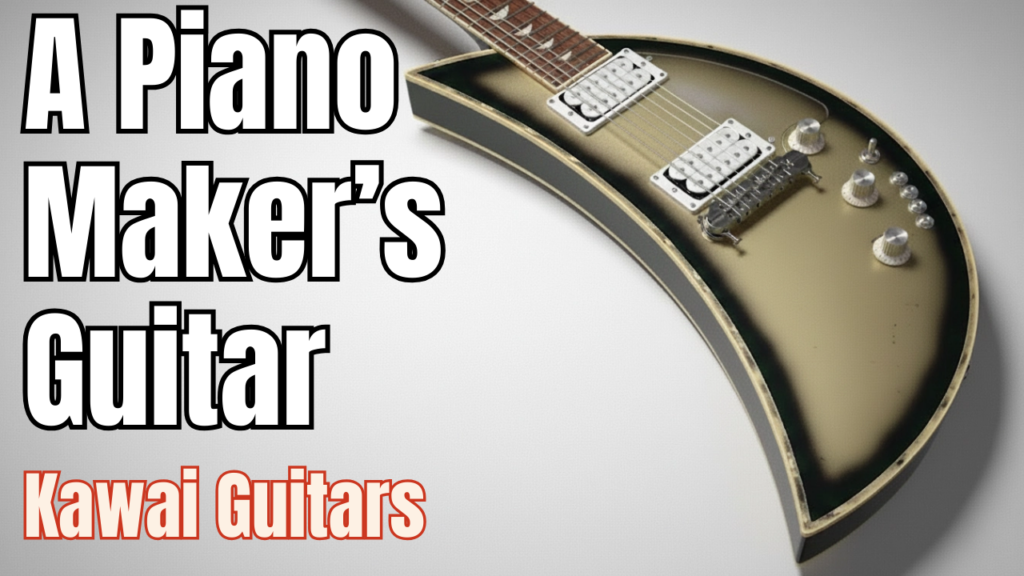
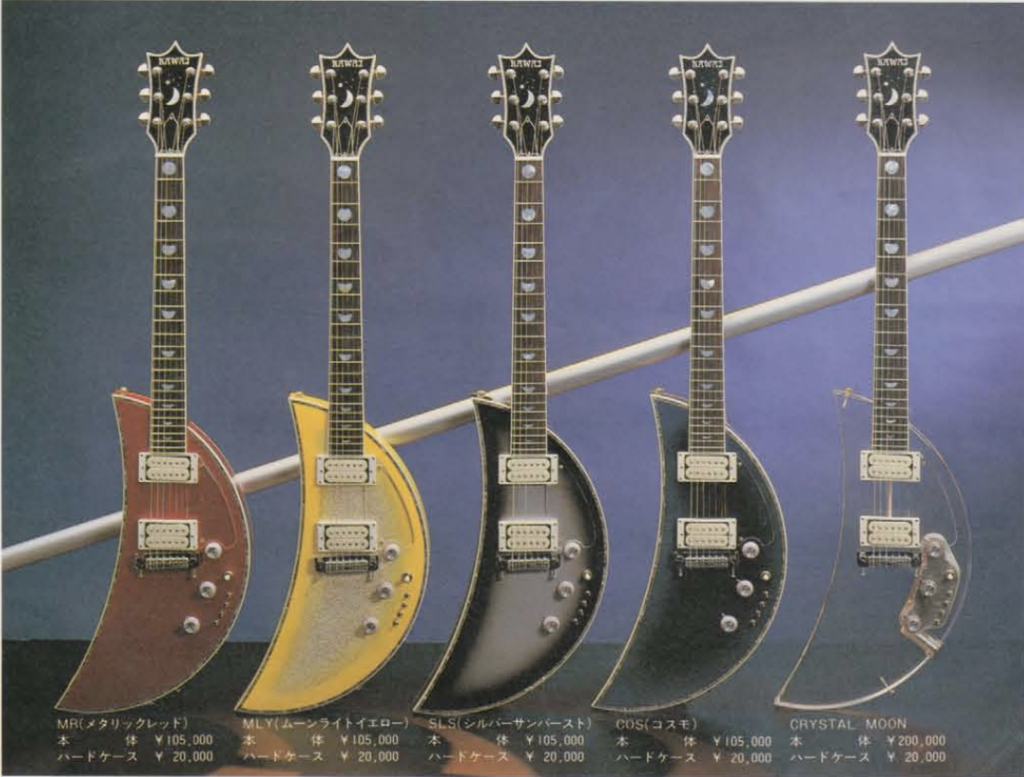
During the 1970s, as exports slowed, Kawai shifted its focus back to the domestic market and began creating guitars under its own Kawai brand. In 1977, Kawai introduced its iconic Moonsault, known for its distinctive half-moon-shaped body.
Although Kawai withdrew from guitar manufacturing in 2007, its legacy remains.
Key Characteristics of Kawai Guitars
Today, Kawai guitars are highly sought after in the vintage market. Since production ended decades ago, their availability is extremely limited, especially outside Japan. They appear only in used-gear circles and sometimes command collector-level prices in Japan. Because the brand remains relatively unknown internationally, it may still be possible to find one at a reasonable price outside Japan.
Models like the Moonsault showcased unique shapes and playful concepts, while others incorporated experimental structures and features. Because of this originality, Kawai guitars remain beloved by Japanese vintage-guitar enthusiasts as creative and distinctive instruments.
Who Are Kawai Guitars For?
- Players seeking authentic Japanese vintage guitars
- Collectors drawn to rare and unusual designs
- Musicians who already own classic models (Stratocaster, Les Paul, etc.) and want something more distinctive and edgy
- Anyone looking for a one-of-a-kind guitar that stands apart from the crowd
Lineup and Notable Series
Moonsault Series
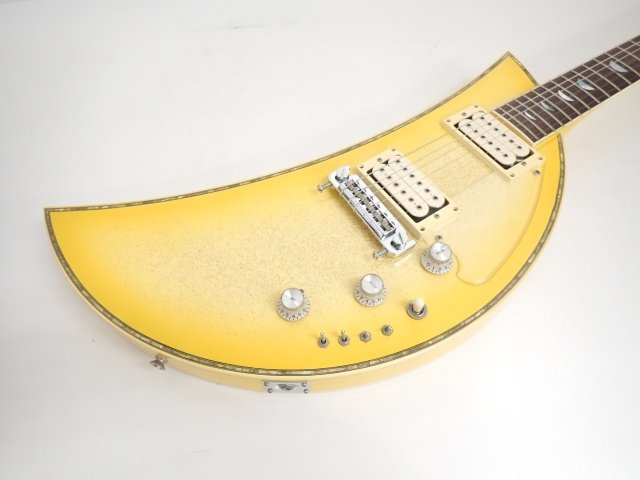
Released in 1977, the Kawai Moonsault remains the brand’s most iconic creation. With its half-moon body curve, it embodied Kawai’s fusion of craftsmanship and artistic imagination.
RG Series
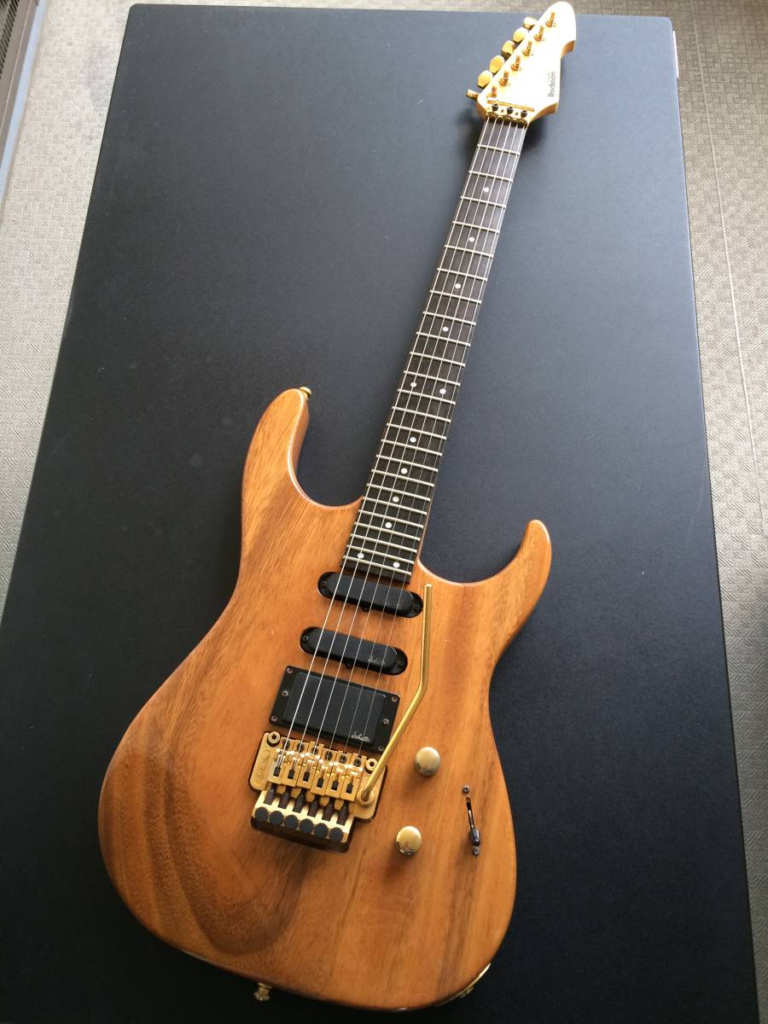
Born from the pursuit of playability, featuring a 628mm medium scale, original joint, and wide arming cavity.Equipped with Schaller hardware — including locking tremolos and Security Rock strap locks on higher-end models.Some Strat-style versions even had locking nuts and fine tuners without a tremolo bridge — a rare hybrid design unique in the industry.
X, M, and F-1 Series
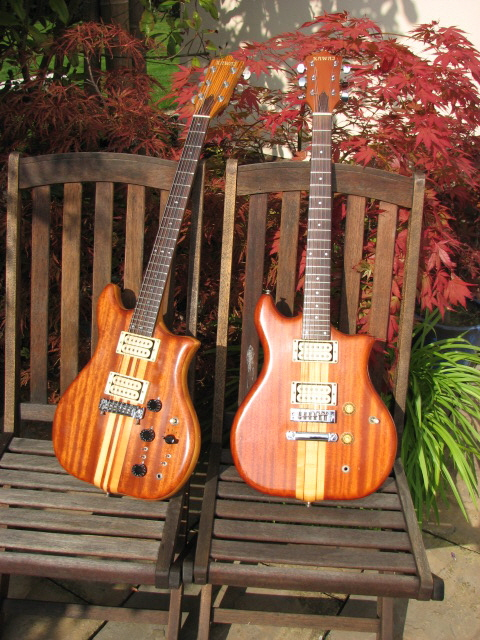
Kawai also released several lines such as the X Series, M Series, and F-1 Series, known for their experimental constructions and distinctive specifications. Each showcased Kawai’s high build precision and strong sense of originality.
Conclusion / Summary
Although Kawai eventually ceased guitar production, its influence still resonates among vintage-guitar enthusiasts worldwide. Today, the Moonsault and other rare Kawai models stand as one of the symbols of a time when Japanese builders dared to reimagine what a guitar could be — functional, futuristic, and proudly made in Japan.

When did Kawai start making guitars?
Kawai established its guitar division in 1958, beginning with classical guitars before expanding into electric guitar production in the early 1960s.
Did Kawai acquire Teisco?
Yes. In 1967, Kawai acquired Teisco, significantly increasing its electric guitar production capacity and expanding its role in OEM exports.
What is the Kawai Moonsault?
The Kawai Moonsault is an original model introduced in 1977, known for its distinctive half-moon-shaped body and bold, futuristic design.
Are Kawai guitars still in production?
No. Kawai officially ended its guitar manufacturing in 2007. Today, Kawai guitars are only available on the vintage and second-hand market.
Why are Kawai guitars considered rare?
Since production ended and international recognition remained limited, surviving Kawai guitars are relatively scarce, especially outside Japan.