
Home › Features
Features
Long-form pieces — model histories, artist associations, and the engineering decisions behind instruments that don’t get much coverage in English. Where the rest of the site tells you what something is, Features tries to explain why it exists.
More Stories

All Features
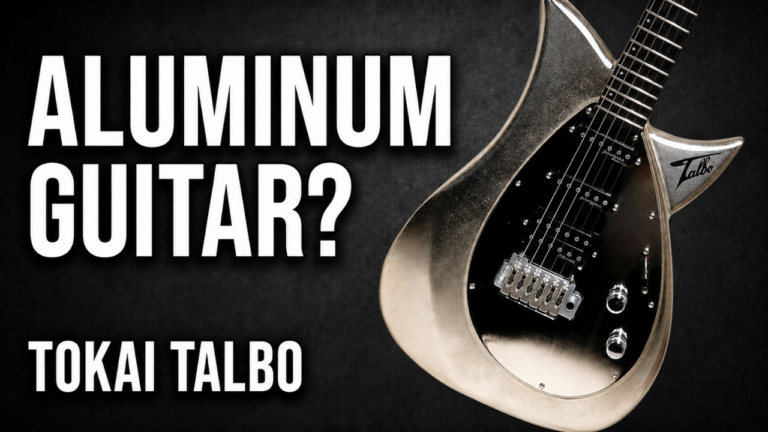 TokaiTokai Talbo: The Aluminum Guitar That Failed, Came Back, and Became Tokai’s FlagshipIn an era when every electric guitar was made of wood as a matter of course, one Japanese model took…
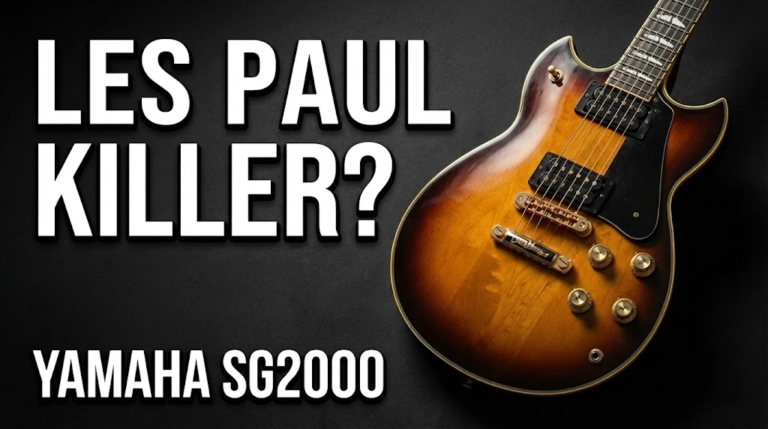 YamahaYamaha SG2000: The Guitar Shaped by Santana’s IdeasThe Yamaha SG2000 is often seen as one of the most iconic electric guitars to come out of Japan.But what…
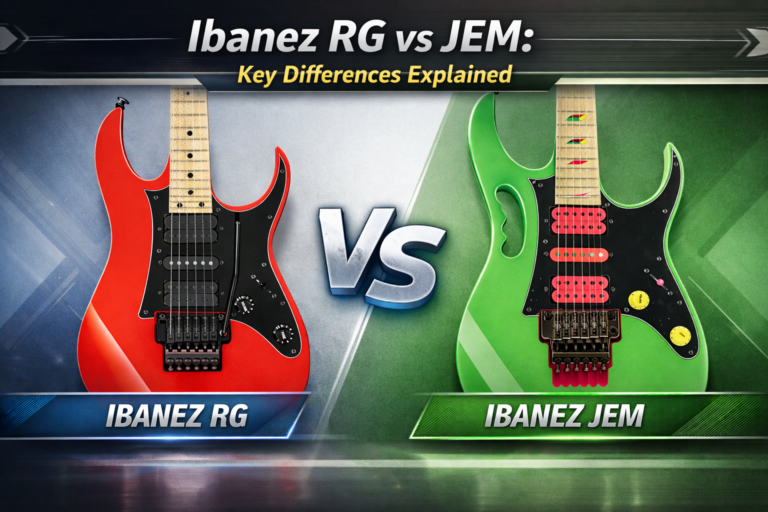 IbanezIbanez RG vs JEM: Key Differences ExplainedIbanez RG vs JEM Quick Facts First JEM model: JEM777 (1987) First RG model: RG550 (1987) Main difference: The JEM…
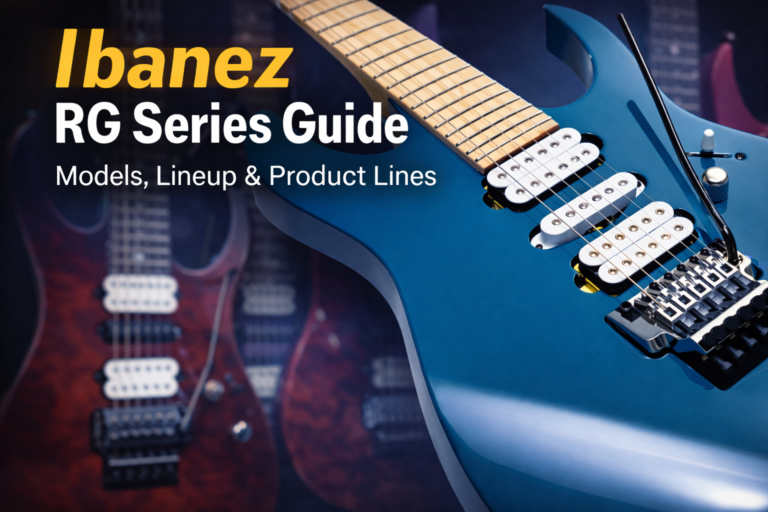 IbanezIbanez RG Series Guide: Models, Lineup & Product LinesIbanez RG Models Quick Facts First RG model: RG550 (1987) Most iconic RG models: RG550, RG570, RG770 Main RG product…
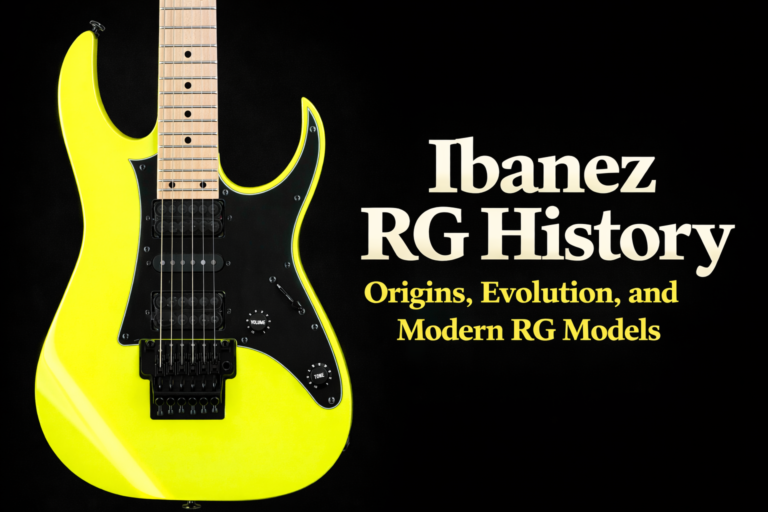 IbanezIbanez RG History: Origins, Evolution, and Modern RG ModelsThe Ibanez RG series is one of the most influential modern electric guitar designs, evolving from the Roadster and Roadstar…
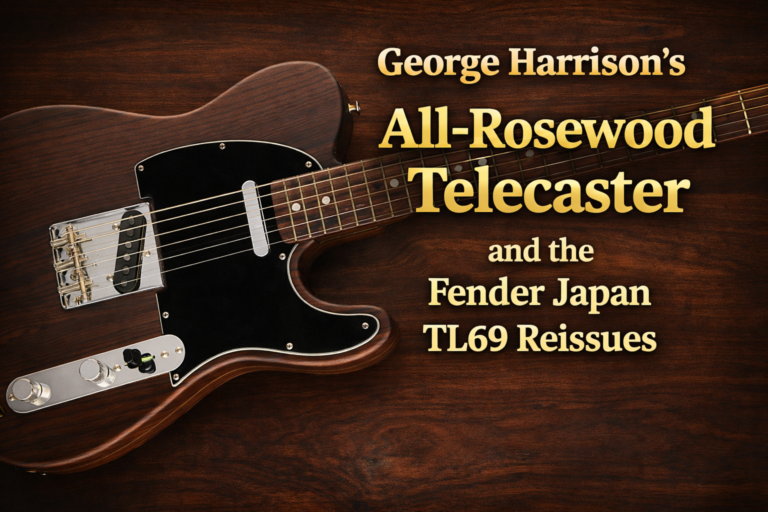 Fender (MIJ)George Harrison’s All-Rosewood Telecaster and the Fender Japan TL69 ReissuesThe George Harrison all rosewood Telecaster is one of the most visually distinctive guitars ever associated with The Beatles. Most…
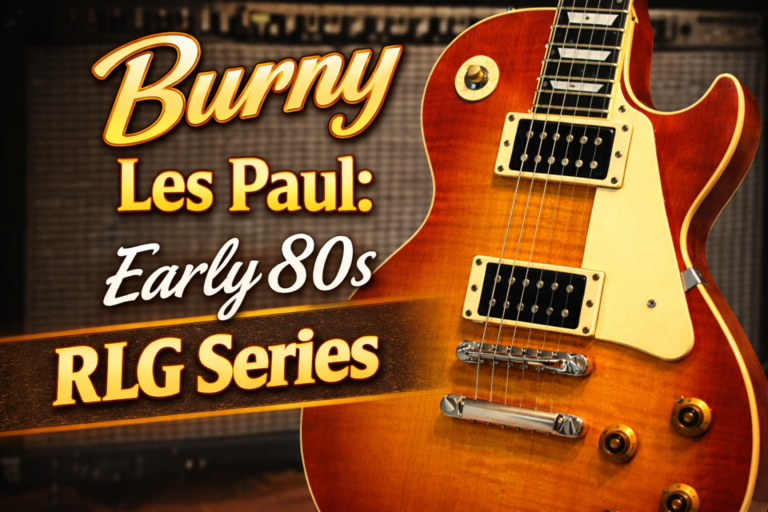 BurnyBurny Les Paul: Early 80s RLG SeriesOverview & Key Points Burny Les Paul models from the early 1980s RLG series represent some of the most detailed…
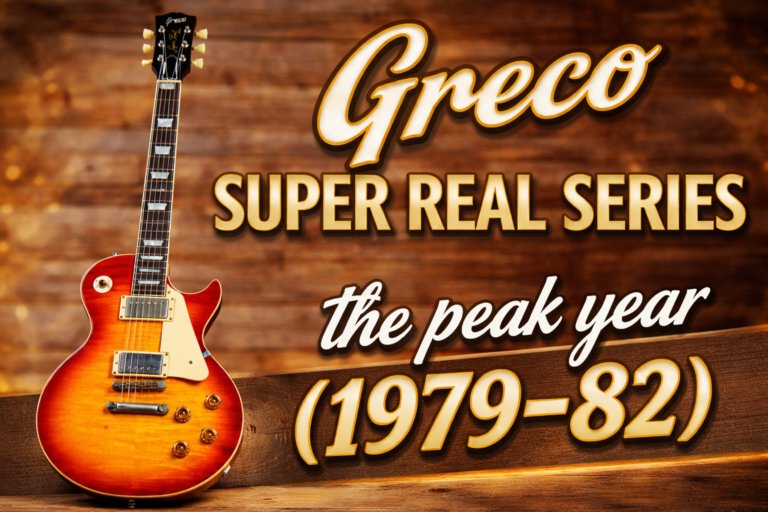 GrecoGreco Super Real Series: The Peak YearsOverview & Key Points The Greco Super Real Series was a line of Les Paul-style guitars produced in Japan between…
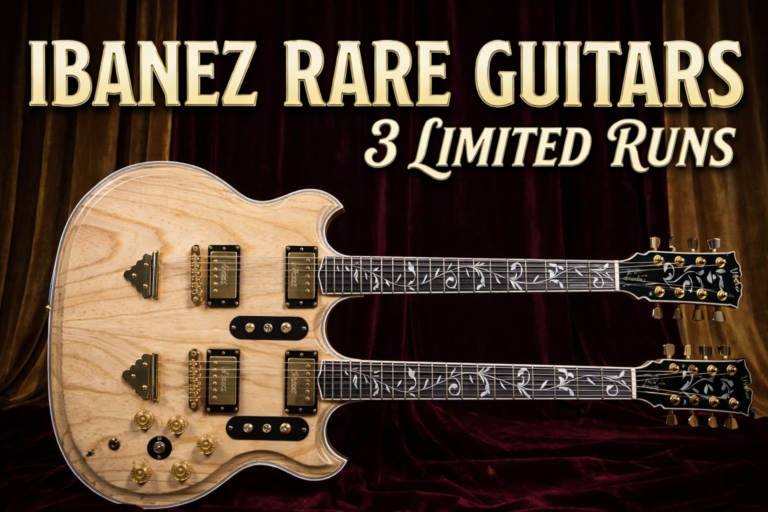 IbanezIbanez Rare Guitars: 3 Limited RunsOverview & Key Points Ibanez rare guitars are limited-production instruments manufactured in exceptionally small quantities, often intended as showcase or…
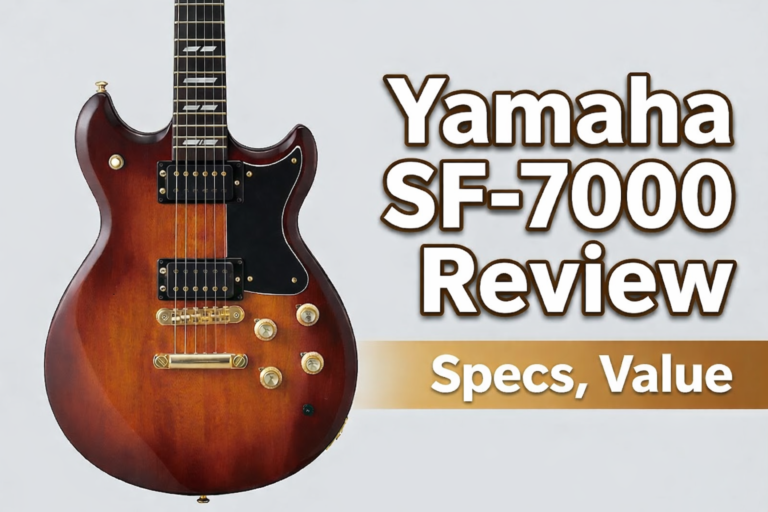 YamahaYamaha SF-7000 Review: Specs, Value & SG ComparisonOverview & Key Points The Yamaha SF-7000 is a late 1970s to early 1980s Japanese solid-body guitar known for its…
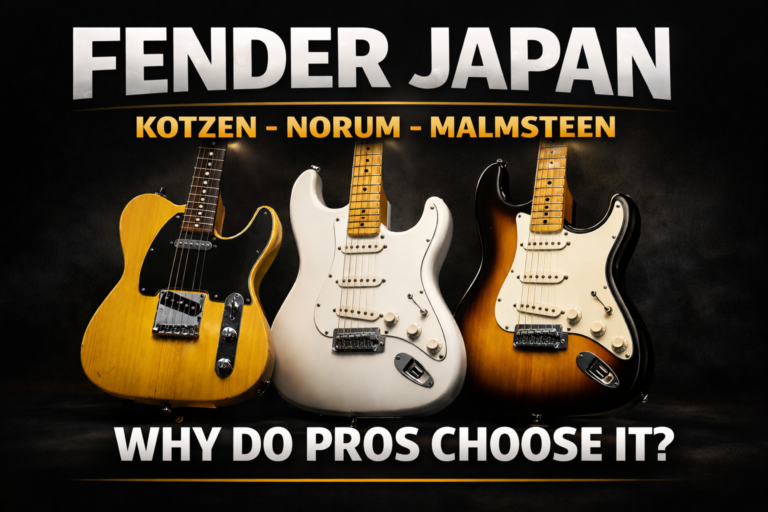 Fender (MIJ)Fender Japan Guitars Used by 3 LegendsOverview & Key Points Fender Japan guitars are Japanese-made Fender instruments known for their consistent build quality and practical performance…
How These Articles Are Researched
Most English-language writing about Japanese guitars recycles the same handful of forum posts, and the errors in them have been repeated for twenty years. The research here starts from Japanese-language primary sources instead:
- Manufacturer catalogs
Annual Japanese catalogs are the most reliable record of what was actually offered, at what price, in which year. Model names, finishes, and specs frequently differ between the Japanese and export versions of the same guitar. - Period advertising and magazines
Japanese guitar magazines documented model launches, artist endorsements, and factory changes in detail, and much of it has never been translated. - Factory and distributor records
Serial number systems, production locations, and contract manufacturing relationships. This is where most attribution errors come from and where most of them get resolved. - The instruments themselves
Specs on paper and specs in hand don’t always agree, especially for transitional years.
Corrections welcome
Where sources conflict or a date can’t be confirmed, the article says so rather than picking the more interesting version. If you have catalog scans, serial data, or a correction, get in touch — several articles on this site exist because a reader sent something in.
Frequently Asked Questions
Quick answers about what Features covers.
What’s the difference between Features and Tips?
Features are about the instruments — history, models, design. Tips are about the transaction — how to find, evaluate, and buy Japanese gear. If you want to understand a guitar, start with Features. If you want to buy one, start with Tips.
Do you cover acoustic guitars and basses?
Yes, though electric guitars make up most of the archive so far. Japanese acoustic production — particularly the 1970s Morris, Yamaha, and Takamine output — is significantly under-documented in English and is an area the site is expanding into.
Can I request an article?
Requests are welcome. Whether a piece gets written depends mainly on whether enough source material exists to say anything reliable.