
Japanese Guitars & MIJ Brands, Explained
 Feature
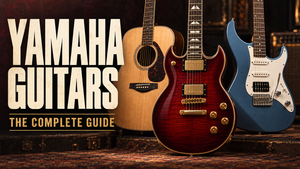
Yamaha Guitars History: From an Organ Repair to 60 Years of Icons
Yamaha is a name almost everyone knows, even people who have never touched a guitar. But how did the company…


Explore by Brand
Makers, factories and the stories behind Japanese guitars and gear.
Features
The deeper stories behind specific models, players and eras.
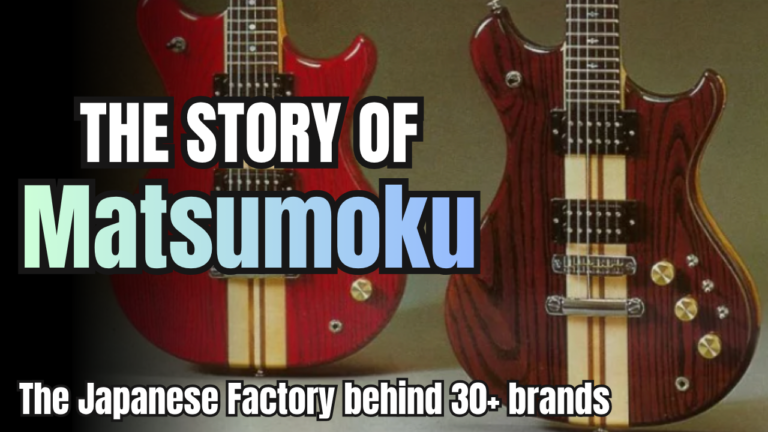 Matsumoku
The Matsumoku History of Japan’s Greatest Guitar Factory (1951-1987)
Matsumoku is the most important Japanese guitar factory that almost nobody outside Japan can name. Between 1963 and 1987 this…
 Tokai
TokaiTokai Guitars History: From Harmonicas to the Copies That Beat the Originals
Tokai is the Japanese brand that made the phrase “better than the original” stick. It started out in 1947 building…
 BOSS
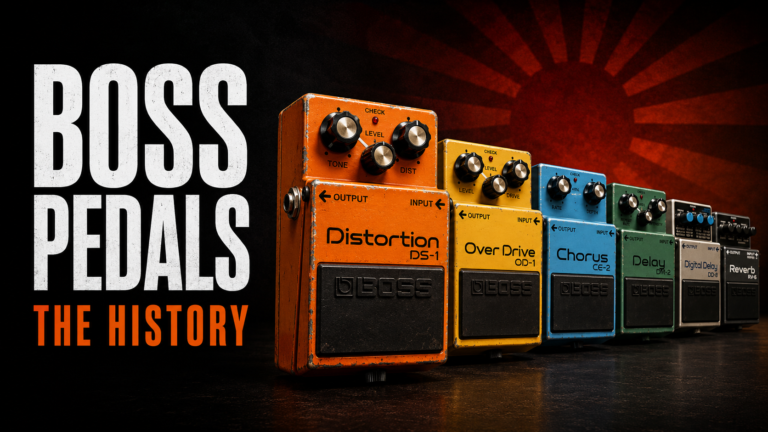
BOSSBOSS History: 50 Years of Japan’s Most Iconic Effects
Small, colorful, and built to last: BOSS pedals are everywhere. Even if you have never owned one, you already know…
 ESP
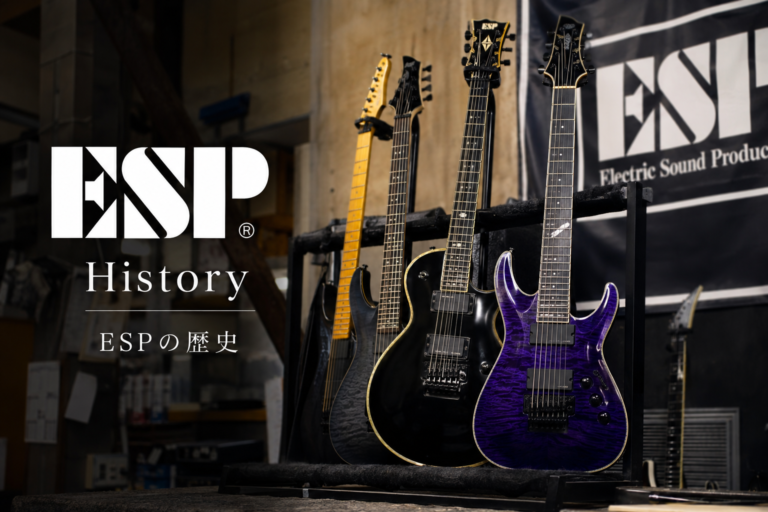
ESPESP History: The Founding Years, 1975 to 1989
ESP is known worldwide as a metal brand, but the company started in 1975 as a small Tokyo shop that…
 ESP
ESPJames Hetfield’s ESP Guitars: The Complete Guide to Every Model
James Hetfield’s ESP guitars are among the most iconic instruments in heavy metal. His partnership with the Japanese brand ESP…
 Tokai
TokaiTokai MAT: How Tokai Used Advanced Materials to Rethink the Guitar
The Tokai MAT is one of the most unusual guitar projects to come out of 1980s Japan, combining carbon-based materials…
Brand Guides
Start with the essentials on each maker.
 Deviser
Deviser: Nagano’s Best-Kept Secret Since 1977
Deviser guitars all come from one company in Matsumoto, Nagano, the maker behind Headway, Bacchus and Momose. If you are…
 Deviser
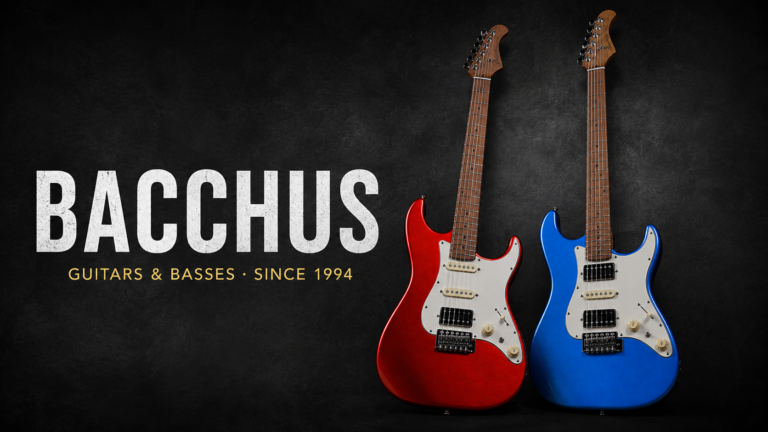
Bacchus Guitars: Japan’s Best-Kept Value Secret Since 1994
Bacchus guitars are the electric-guitar and bass brand of Deviser, the maker in Matsumoto, Nagano that also builds Headway and…
 Headway
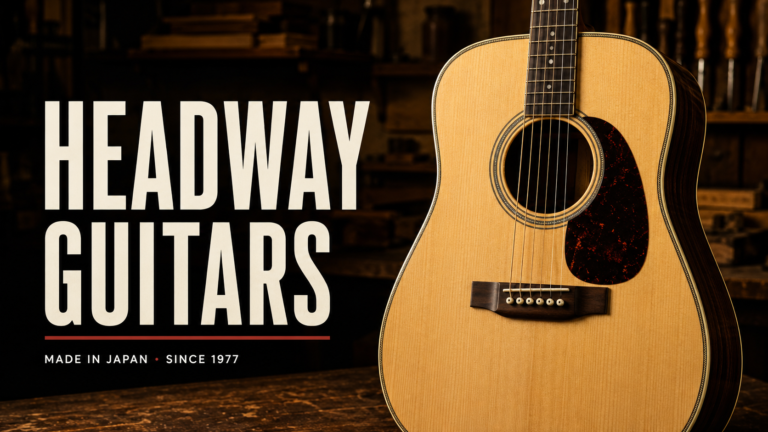
Headway Guitars: Japan’s Best Acoustic Secret Since 1977
Headway guitars are the acoustic brand of Deviser, the maker in Matsumoto, Nagano that also builds Bacchus and Momose. Founded…
Start Here
Practical guides for buying and understanding Japanese guitars.
 Guide
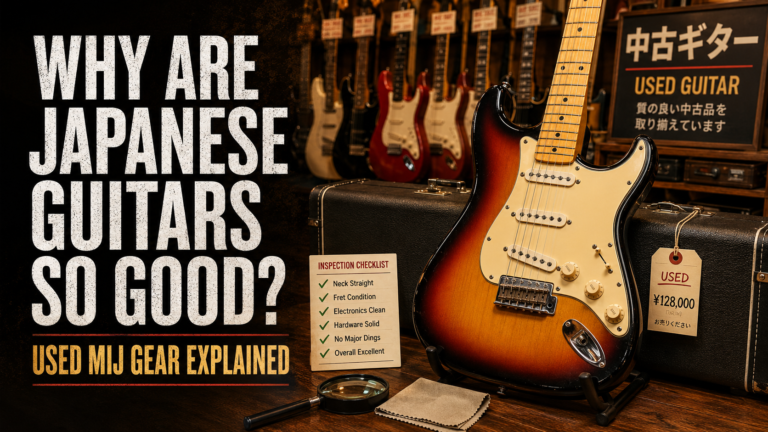
GuideWhy Are Japanese Guitars So Good? Used MIJ Gear Explained
Ask any collector why Japanese guitars are so good and you’ll usually get an answer about factories and craftsmanship. But…
 Guide
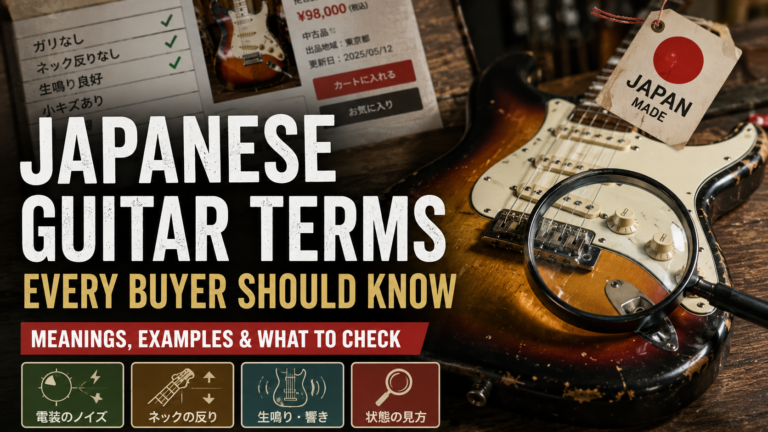
GuideJapanese Guitar Terms Every Buyer Should Know: Gari, Sori, and Nari Explained
Browse enough Japanese guitar listings — on Digimart, Yahoo Auctions, Mercari, or a shop’s own site — and you’ll start…
 Guide
GuideGuitar Shops in Japan: A Buyer’s Guide to the Major Chains
If you’ve spent any time browsing Yahoo Auctions, Mercari, or Digimart for a Japanese-made guitar, you’ve probably run into the…
Watch the Documentaries
Deep dives into the makers, factories and legends of Japanese guitars.


