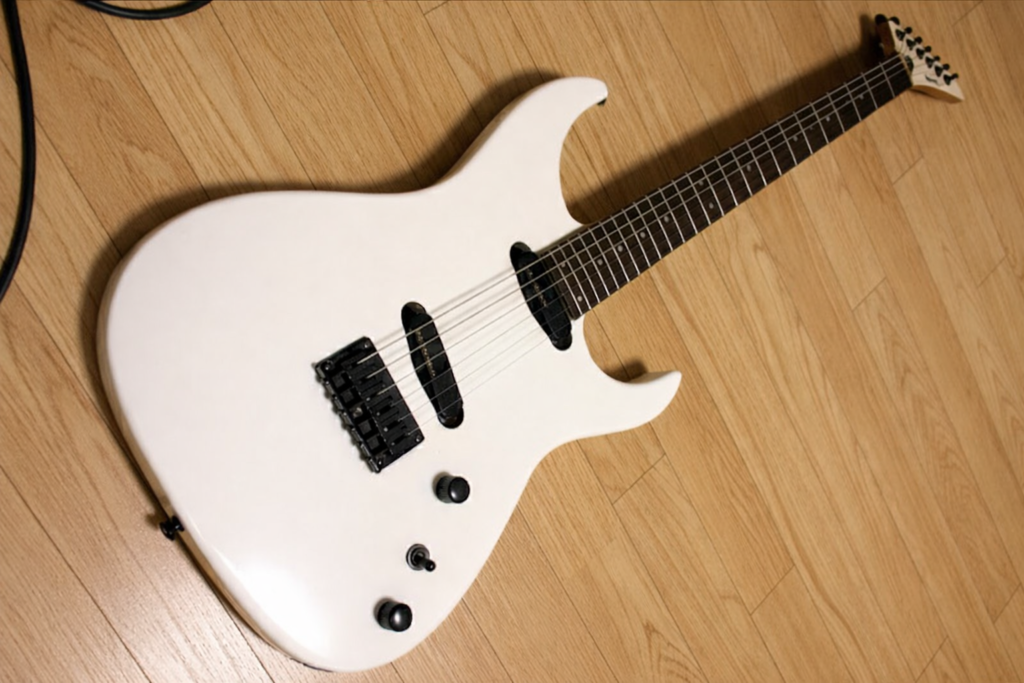
Dive into the world of
Japanese guitars.
MIJ Guitar Guide
Features
Discover deeper stories and unique perspectives on Japanese guitars.
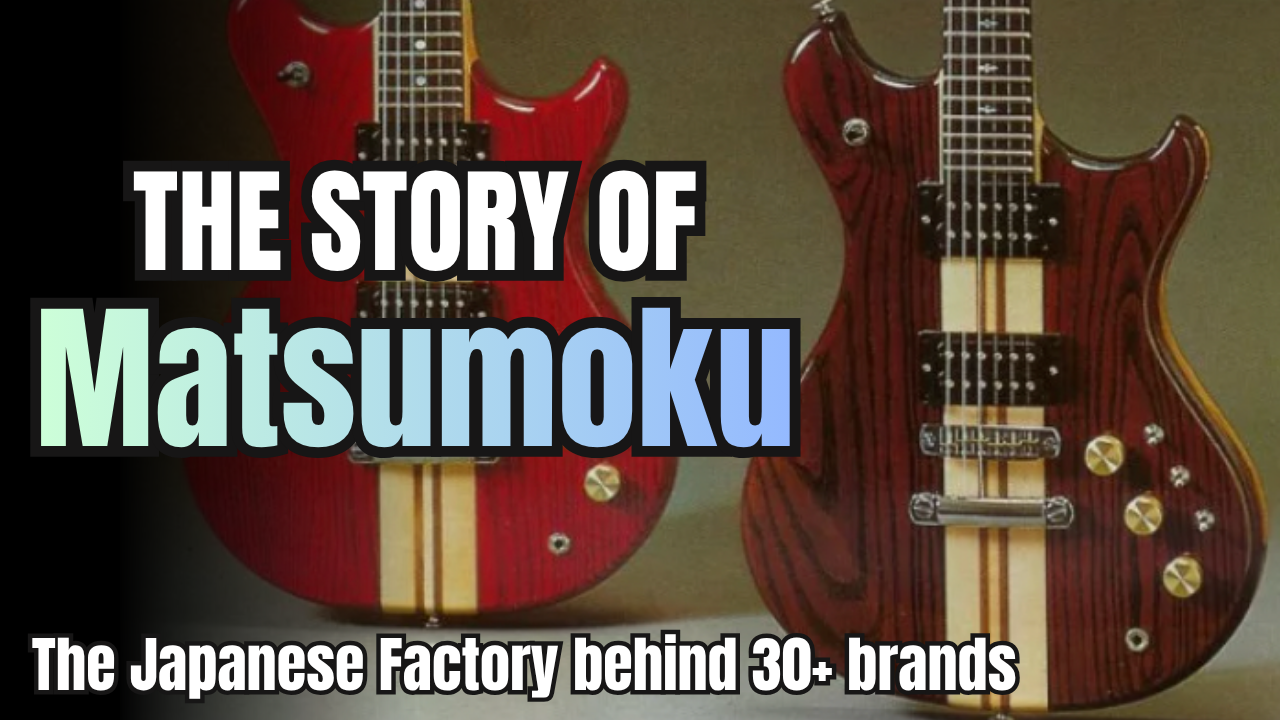
The Matsumoku History of Japan’s Greatest Guitar Factory (1951-1987)
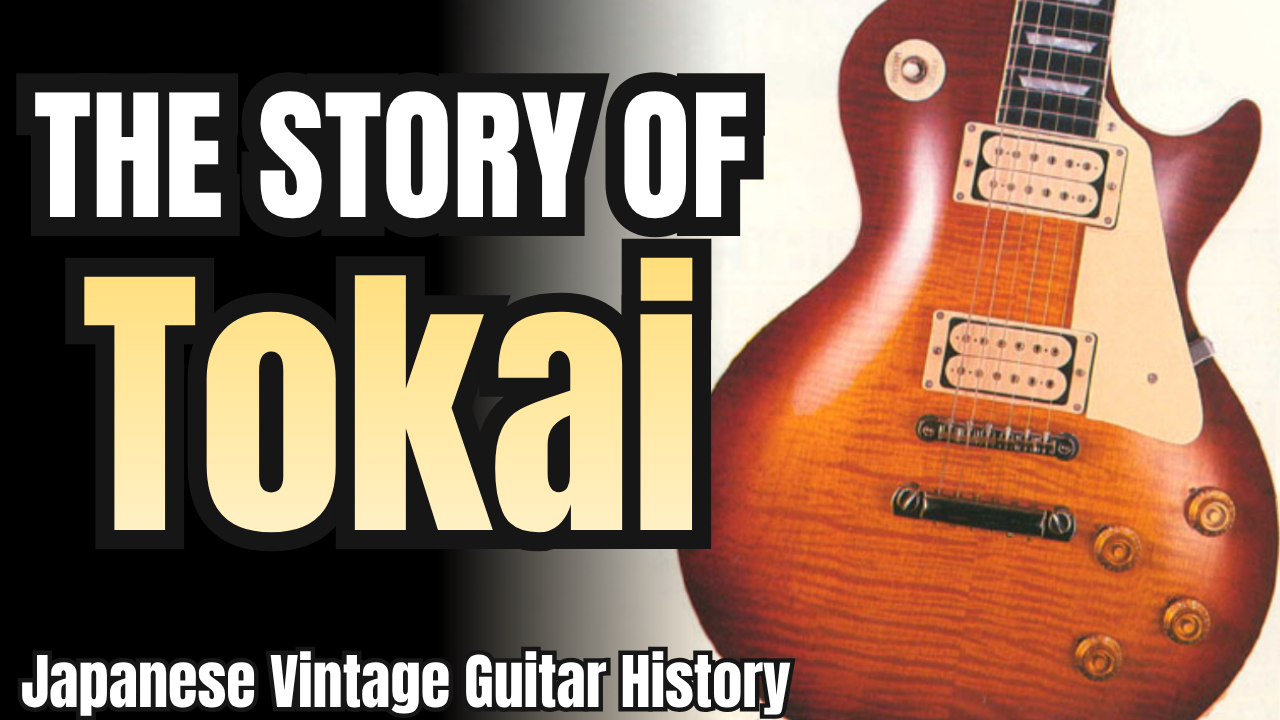
Tokai Guitars History: From Harmonicas to the Copies That Beat the Originals
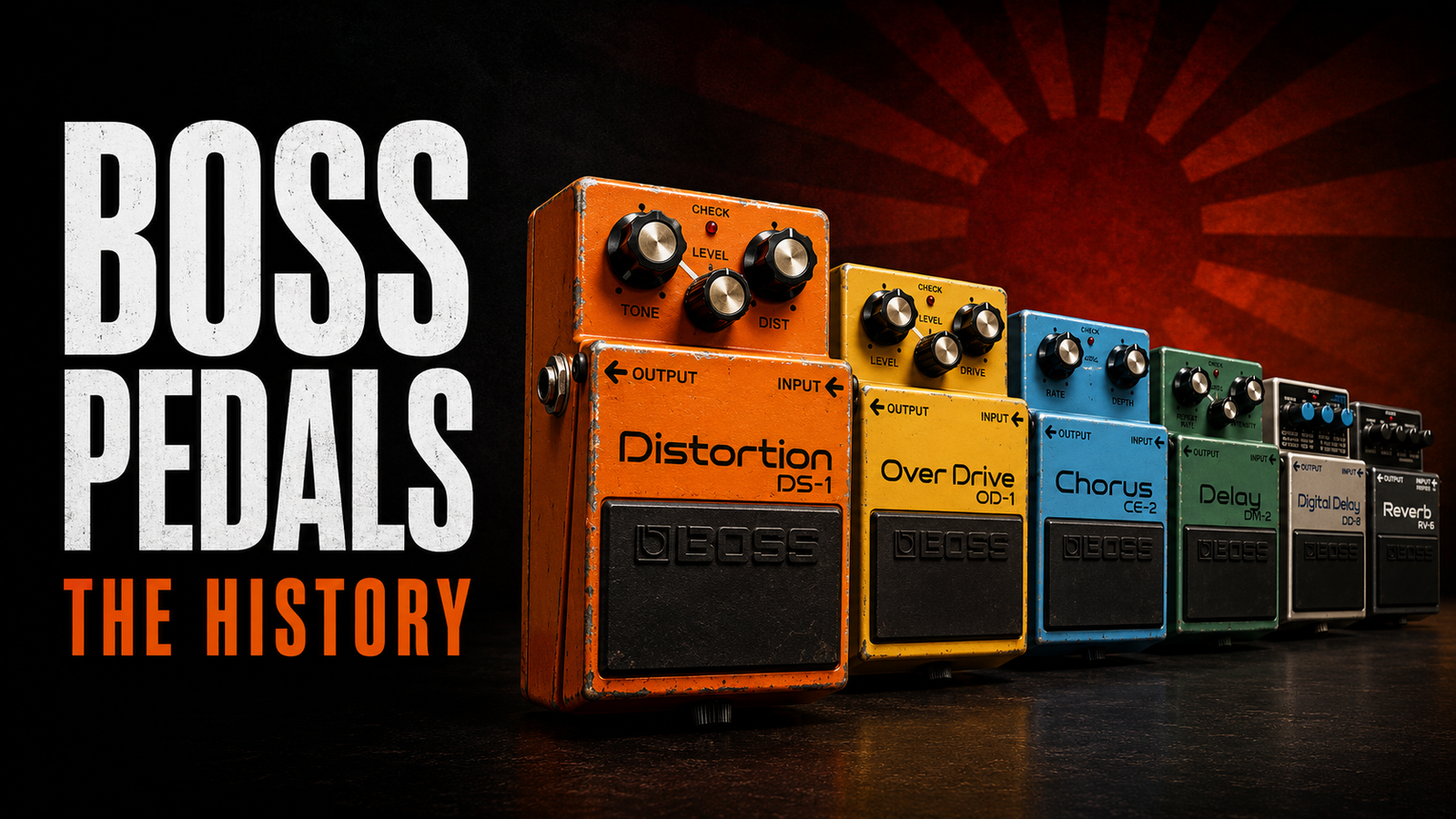
BOSS History: 50 Years of Japan’s Most Iconic Effects
Brands
Explore details for each Japanese guitar brand here.
Tips
Learn how to buy J-crafted guitars in Japan or from Japanese guitar stores.
New Releases
Stay up to date with the latest Japanese guitar, amp, and gear releases.
Bacchus Guitars: Japan’s Best-Kept Value Secret Since 1994
Bacchus guitars are the electric-guitar and bass brand of Deviser, the maker in Matsumoto, Nagano…

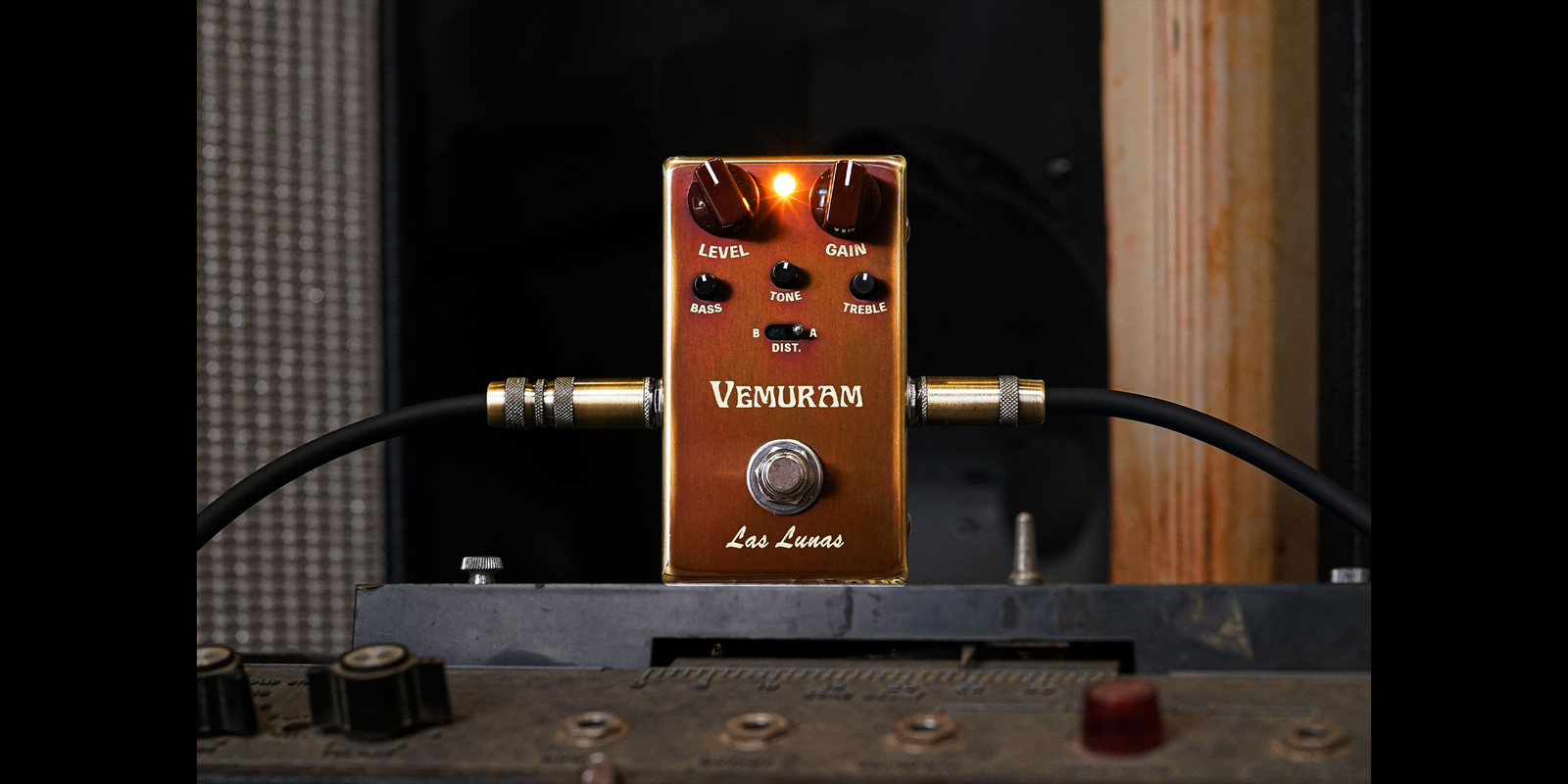
Vemuram Las Lunas: 2 Drive Modes and a Rare Trimmer Pair
The Vemuram Las Lunas, the brand’s first full distortion, pairs two switchable drive voices, a…
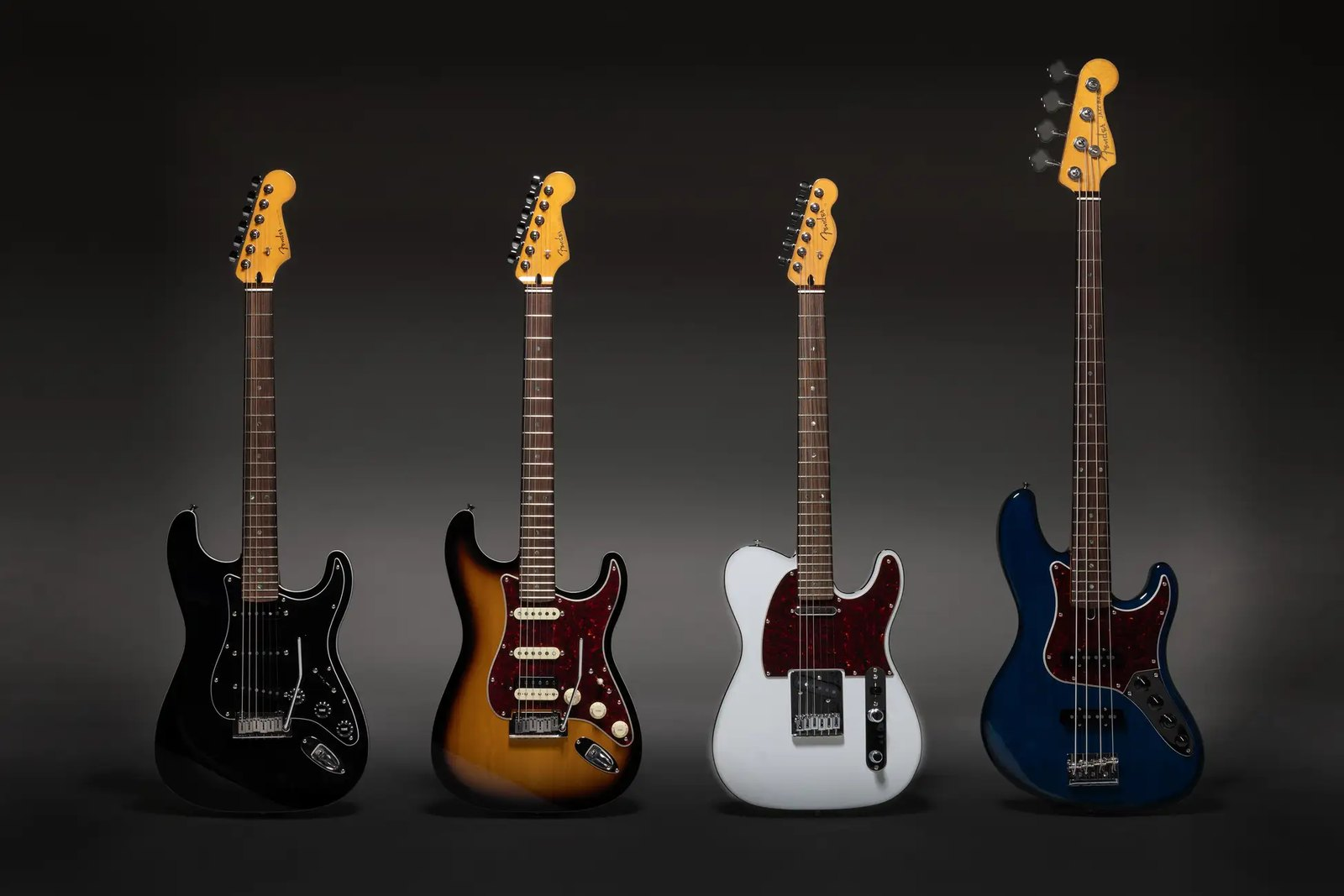
Fender Active Modern: 4 Rare Japan-Only Models
Fender Active Modern is a Japan-only Limited series that puts an active noise-cancelling circuit and…
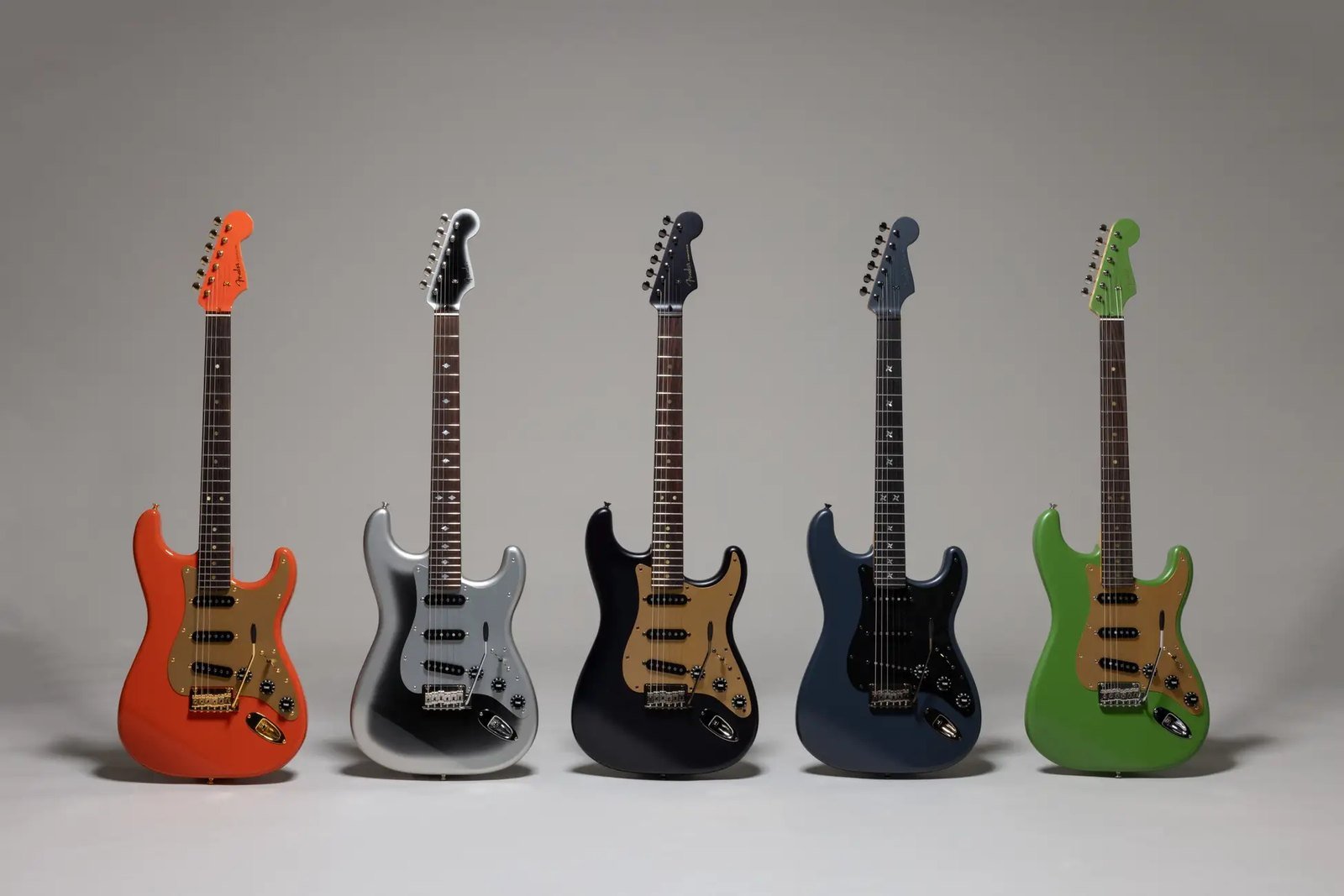
Fender Japan-Inspired Stratocaster: 5 Rare Japan-Only Models
The Fender Japan-Inspired Stratocaster arrives in five limited finishes, built around indigo denim, shuriken, torii…
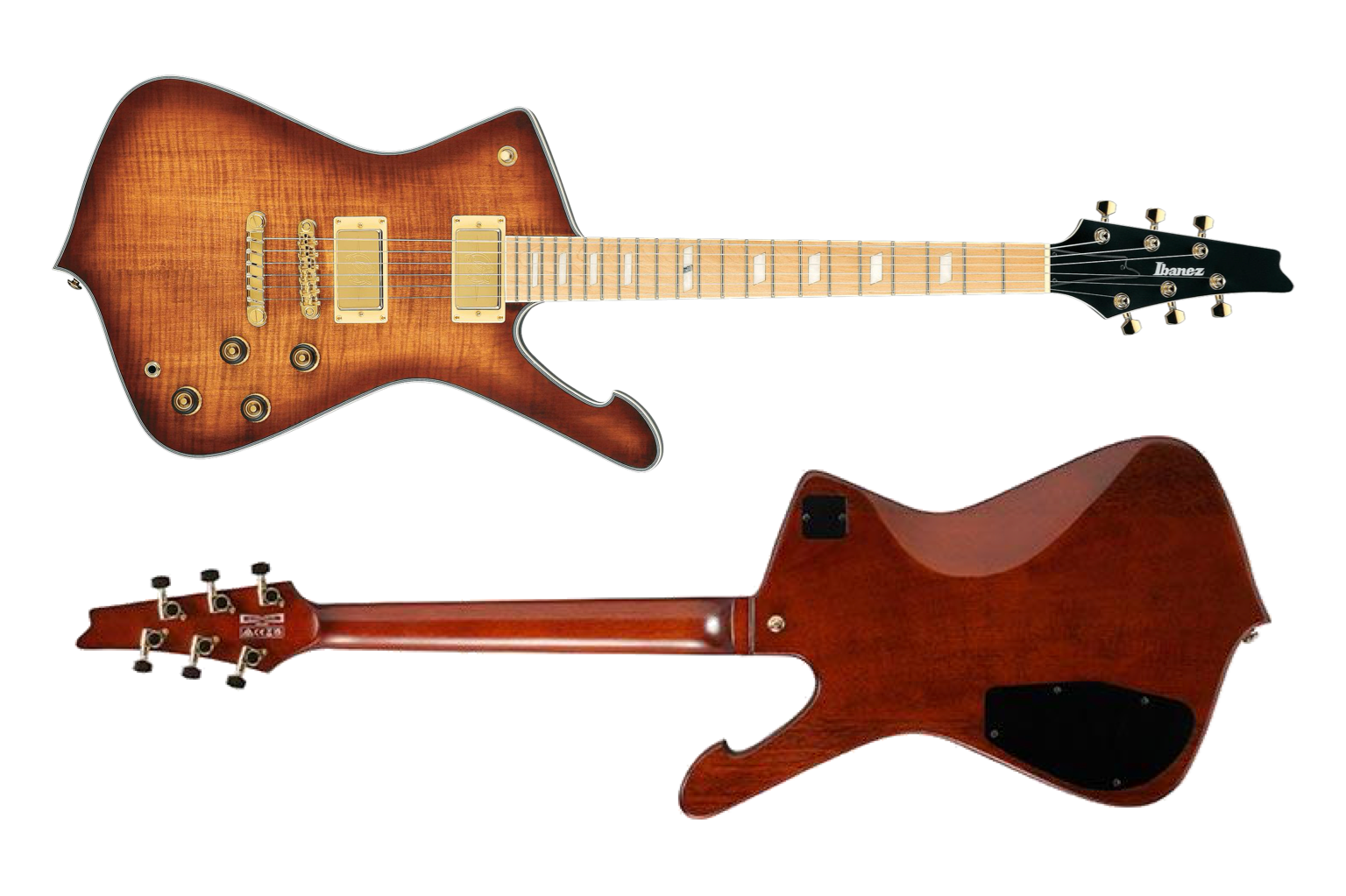
Ibanez IC420MFM Announced
Ibanez has introduced the IC420MFM, a new model in the company’s Iceman lineup. The guitar…
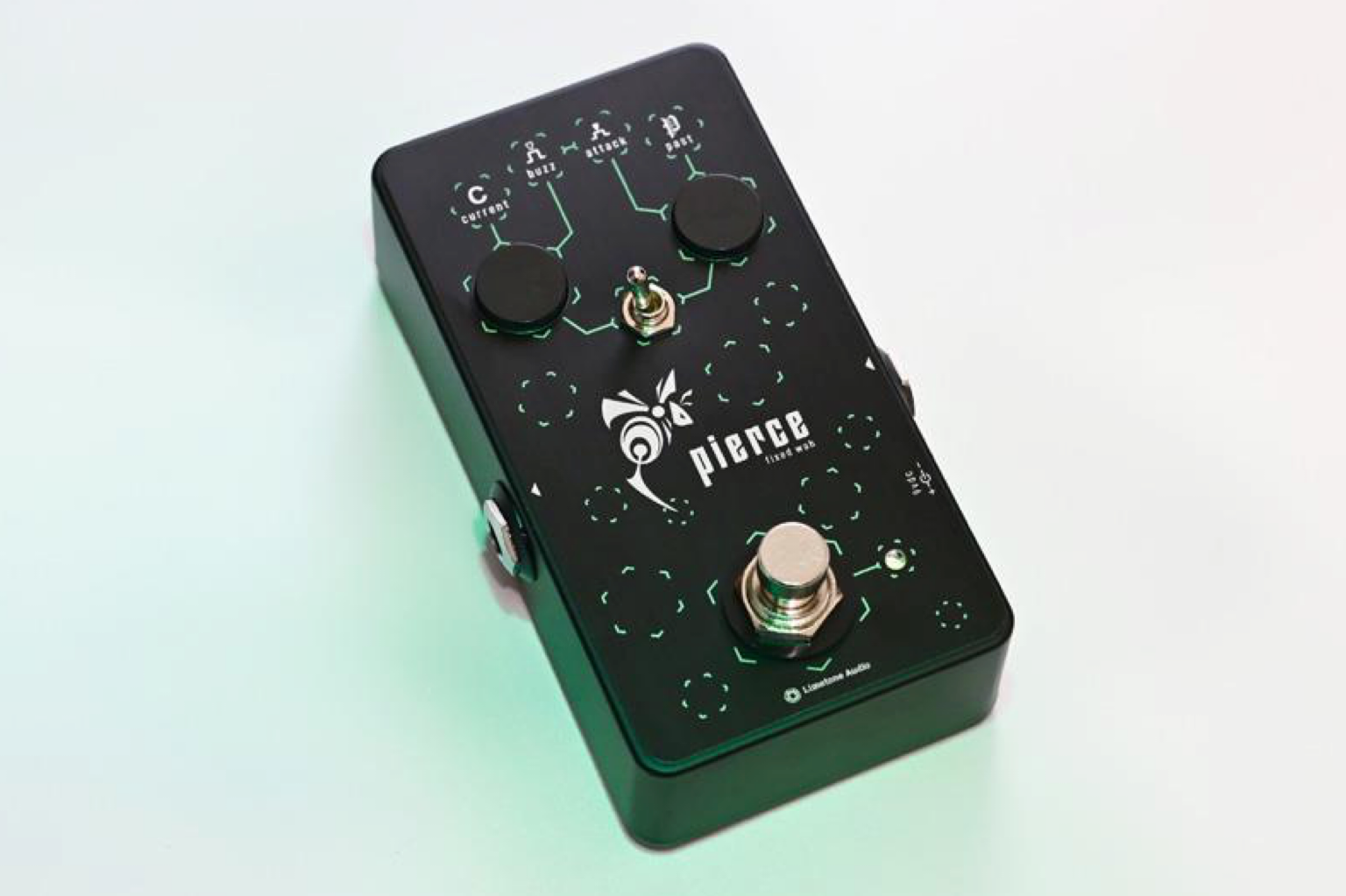
Limetone Audio “pierce” – Fixed Wah Pedal with a Focused Mid Character
Limetone Audio has introduced the “pierce”, a compact fixed wah pedal designed around the concept…
What This Site Covers
Japanese-made guitars have a reputation that travels farther than the guitars themselves. Great wood, tight tolerances, and decades of quiet craftsmanship — but very little of it documented in English. MIJ Guitar Guide is an independent, English-language resource for the brands, models, factories, and buying know-how behind Made in Japan instruments.
“Made in Japan” is not one thing. It covers the mass-produced copies that Fujigen and Matsumoku shipped by the thousand in the 1970s, the domestic-market flagships that Yamaha and Tokai built to compete with the originals, the shred-era Ibanez models that redefined what a superstrat could be, and the small workshops turning out fifty instruments a year today.
What connects them is a manufacturing culture that treated fretwork, finish, and fit as non-negotiable — even at entry-level prices. That reputation is why a thirty-year-old Japanese guitar still commands a premium on the used market, and why buyers outside Japan keep looking for a way in.
The problem is information. Japanese catalogs, serial number systems, factory histories, and shop listings are almost entirely in Japanese. Model lineups change yearly and are rarely archived in English. A guitar sold as a “Greco” might have been built in any of three different factories depending on the year.
This site exists to close that gap. Every article here is written in English, sourced from Japanese-language catalogs, period advertising, factory records, and firsthand shop experience — and written by someone who reads both.
About Me
I spent my student years in Japan, and the thing that stayed with me wasn’t the famous brands — it was walking into a used shop in Ochanomizu and finding a wall of instruments that simply didn’t exist anywhere else. Guitars with serial numbers no English forum could decode, brands with no Wikipedia page, build quality that made no sense at the asking price.
When I started looking for information in English, there wasn’t much. Scattered forum threads, a few collector pages that hadn’t been updated in a decade, and a lot of confident misinformation. So I started writing it down myself.
MIJ Guitar Guide is written and maintained by one person. Research comes from Japanese-language sources — manufacturer catalogs, period magazine advertising, factory and distributor records — plus time spent in Japanese shops actually handling these instruments. I don’t accept payment from manufacturers or retailers for coverage. Where I’m uncertain about a date, a factory attribution, or a spec, I say so.
My first guitar: a Fernandes FJT-80.