
Home › Features
Features
Long-form pieces — model histories, artist associations, and the engineering decisions behind instruments that don’t get much coverage in English. Where the rest of the site tells you what something is, Features tries to explain why it exists.
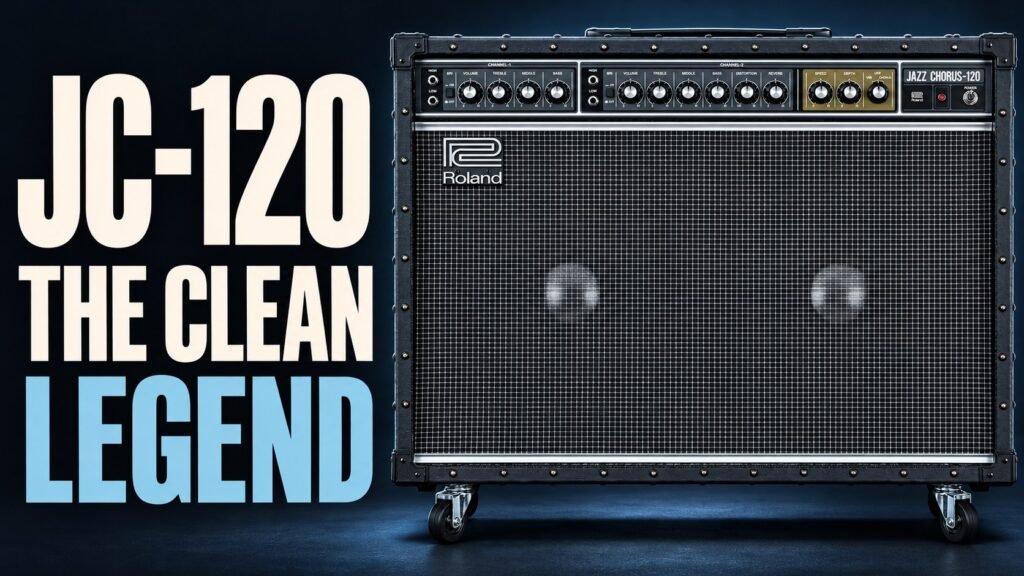 When people think of Japanese guitar amps, many immediately think of the Roland JC-120 Jazz Chorus. It became a solid-state…
 FeatureJapanese Pedal Brands: 5 Staples From BOSS to VEMURAM
 Feature5 Japanese Bass Brands You Should Know: ATELIER Z, Sugi, Moon, TUNE and Phoenix
 Feature30 Japanese Boutique Guitar Brands: From Bacchus and Caparison to Hidden Workshops
 FeatureJapanese Double-Neck Guitars: Original Models and the Craziest Multi-Necks
More Stories

All Features
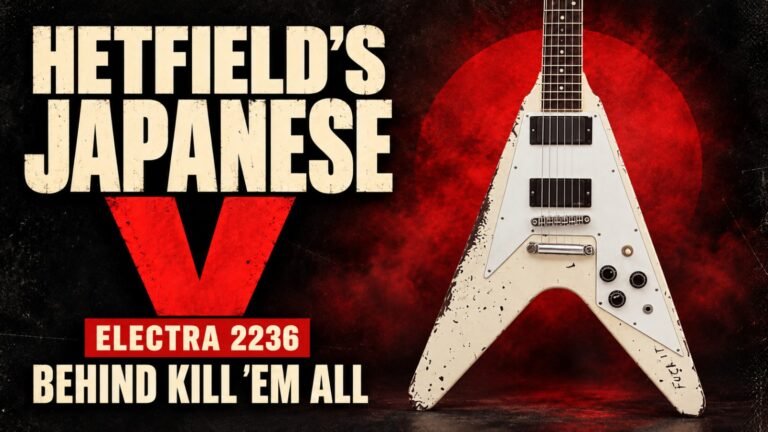 MatsumokuJames Hetfield’s Electra: The Japanese Flying V Behind Kill ’Em AllEven James Hetfield played a Japanese guitar. Before ESP, the Metallica frontman’s main guitar was an Electra Flying V-style guitar…
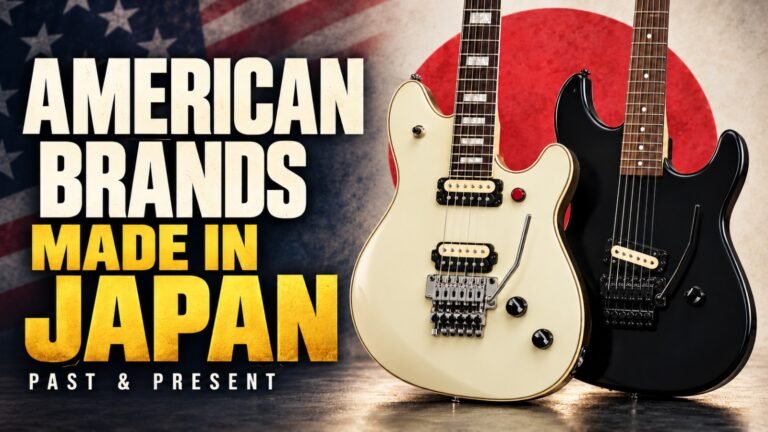 FeatureUS Guitar Brands Made in Japan: Fender, EVH, Kramer, Music Man and MoreFender’s MIJ series is the famous example, but it is far from the only one. This guide lists the US…
 FujigenFujigen History: From a Cowshed to the World’s Largest Guitar Factory (1960-2026)Ibanez, Fender Japan, Greco: many of the most collectible Japanese guitars came out of one factory in Matsumoto, Nagano. This…
 YamahaYamaha BB Bass: The Broad Bass Story From the 1977 BB1200 to TodayThe Yamaha BB bass has been one of the most trusted working basses since 1977. Short for “Broad Bass”, it…
 YamahaYamaha Pacifica: The Session Guitar That Became Everyone’s First Electric (1990-Today)The Yamaha Pacifica is the guitar many players own as their first electric, but it started as a pro instrument…
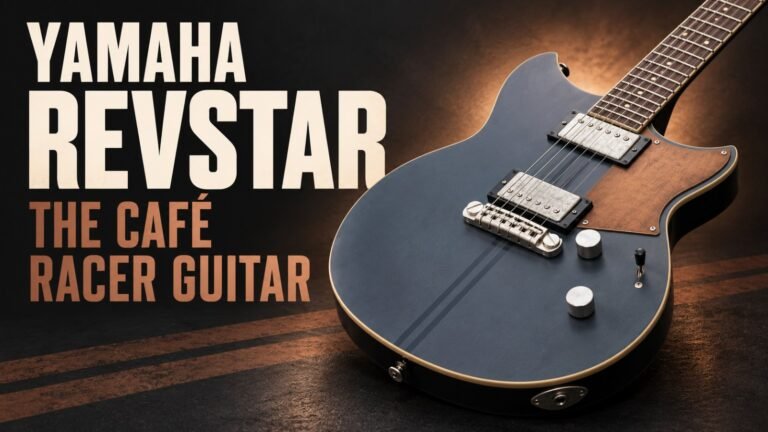 YamahaYamaha Revstar: The Cafe Racer Guitar Explained, From 2015 to the Second GenerationThe Yamaha Revstar is Yamaha’s modern electric guitar, designed around the look of 1960s London cafe racer motorcycles. Launched in…
 YamahaYamaha Logo: Why the Guitar and Motorcycle Logos Are Surprisingly DifferentLook closely at the Yamaha logo on a guitar and on a motorcycle, and you will find they are not…
 YamahaYamaha Free Art Model: The 1992 Guitar With a Pickguard You Could RedesignIn Yamaha’s 1992 catalog there was a guitar that looked like just another graphic superstrat. But the Yamaha Free Art…
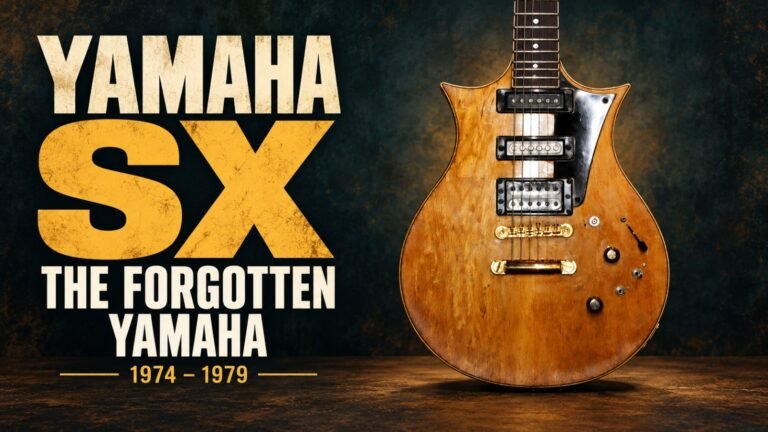 YamahaYamaha SX Series: The Forgotten 1970s Yamaha Played by Tommy Bolin (1974-1979)The Yamaha SX is one of the forgotten Yamaha electrics of the 1970s. Built for only a few years from…
 YamahaYamaha SG History: From the 1966 SG-2 to the SG-2000 and Today’s SG1820When people talk about Yamaha’s legendary guitars, the Yamaha SG usually comes up first, thanks to players like Carlos Santana…
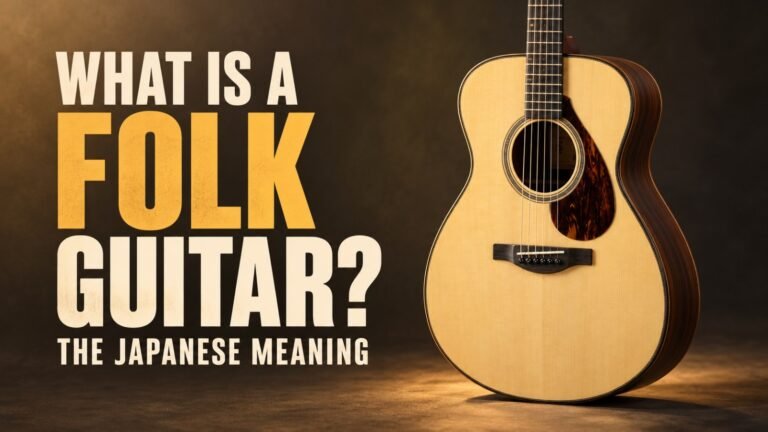 YamahaWhat Is a Folk Guitar? Why Japan Uses the Term, and the Yamaha FG That Started ItBrowse Japanese acoustic guitars and you will see the term folk guitar everywhere. It sounds like a guitar made only…
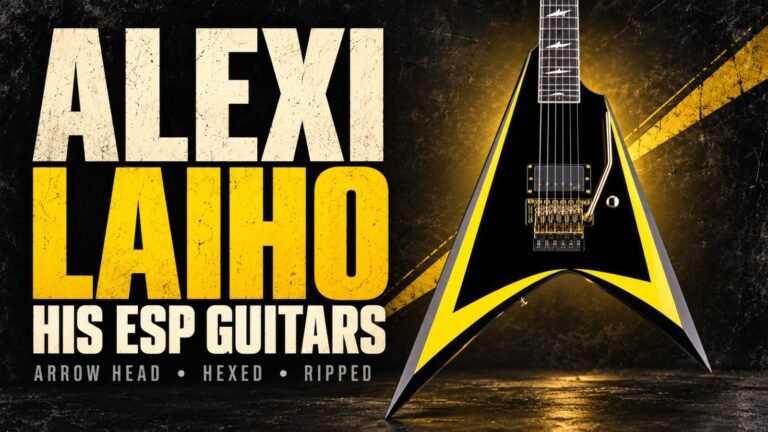 ESPAlexi Laiho ESP Guitars: Arrow Head, Sawtooth, Scythe and the Final Ripped and HexedAlexi Laiho’s ESP guitars are some of the most recognizable V-shapes in metal: an offset body, sharp stripes and a…
 ESPESP Horizon: The Remarkable History of ESP’s Flagship Guitar (1984-Today)The ESP Horizon is the guitar ESP itself calls its symbolic flagship: a model that sums up the company’s history…
 ESPESP vs LTD: The Essential Guide to E-II, Edwards, GrassRoots and NavigatorESP vs LTD is the first question most people ask when they start shopping for an ESP. The short answer…
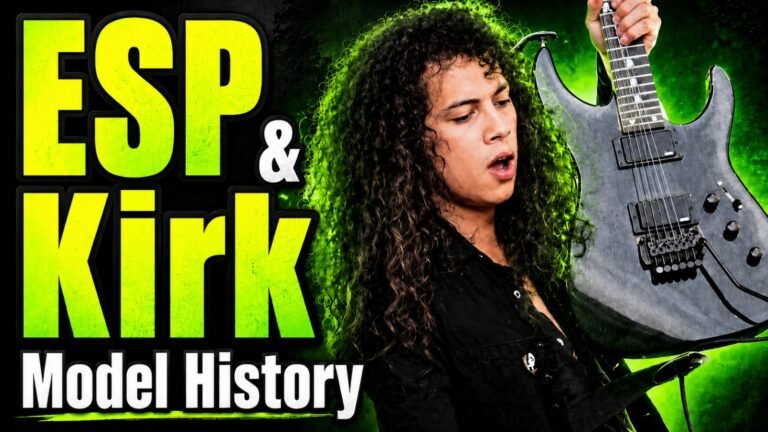 ESPKirk Hammett ESP Guitars: From Zorlac and the KH-2 to the Mummy and OuijaKirk Hammett ESP guitars are some of the most iconic instruments in his huge collection. This article covers how Metallica’s…
 ESPESP Random Star: How Japan’s Iconic Star Guitar Really Began (1981-Today)The ESP Random Star is one of ESP’s defining guitars of the 1980s, and most people link it to Akira…
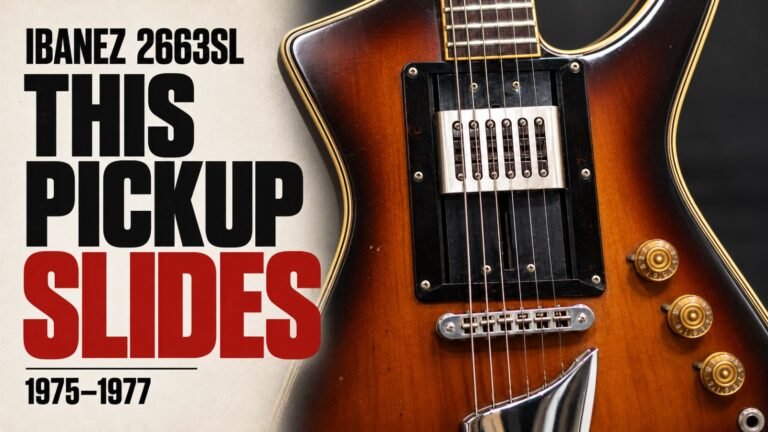 IbanezIbanez Slide Pickup: The Rare 2663SL, a Brilliant Iceman Predecessor (1975-1977)This Ibanez slide pickup guitar really stood out to me in an old Ibanez catalog. It is the 2663SL, a…
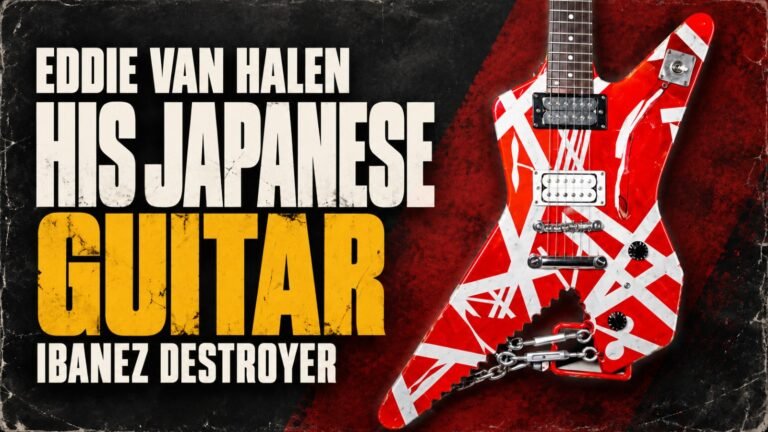 IbanezEddie Van Halen Destroyer: How a 1975 Japanese Ibanez Became the SharkThe Eddie Van Halen Destroyer surprises a lot of fans: one of rock’s greatest legends played a Japanese guitar. This…
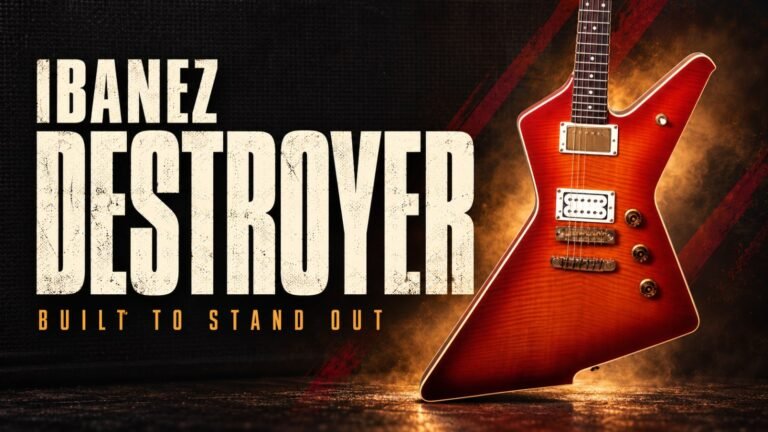 IbanezIbanez Destroyer: Japan’s Explorer-Style Guitar and the 1980s Destroyer II (1975-1987)The Ibanez Destroyer is one of Ibanez’s most iconic guitars of the 1980s rock era. It started in 1975 as…
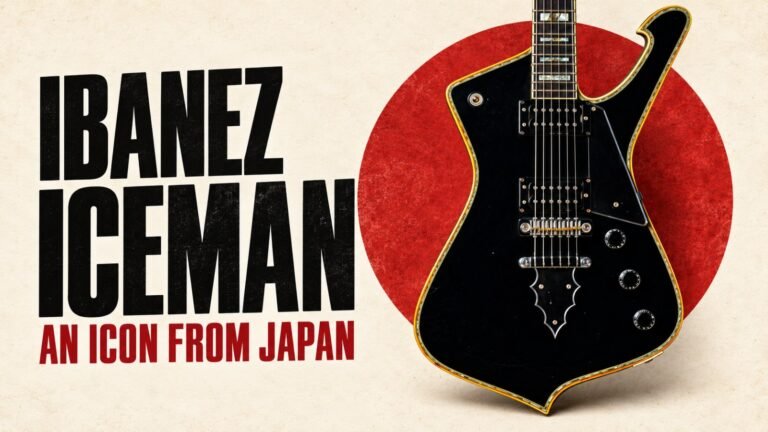 IbanezIbanez Iceman and Greco Mirage: The Surprising Japanese Twins Born at FujiGen (1975-1978)The Ibanez Iceman is one of Japan’s boldest guitar designs, and around the same time Greco released a nearly identical…
 Aria Pro IIAria Pro II History: The Remarkable Story of a Nagoya Classical Guitar Importer (1954-Today)Aria Pro II history begins not with a guitar maker but with one young man in Nagoya who loved the…
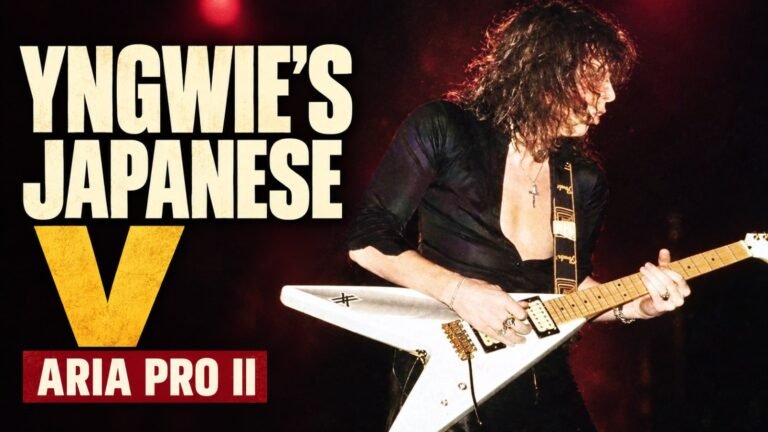 Aria Pro IIYngwie Malmsteen Aria Pro II: The Surprising Japanese Flying V of the Alcatrazz Era (1983-1984)The Yngwie Malmsteen Aria story surprises many fans: he is the last guitarist most people would connect with a Japanese…
 Aria Pro IIAria Pro II PE Series: History and Models of Japan’s Original Les Paul-Style DesignThe Aria Pro II PE is Japan’s own take on the Les Paul-style guitar: developed by Aria with the Matsumoku…
 Fender JapanFender Kintsugi Guitars: Beautiful Stratocasters Inspired by Japan’s Golden RepairFender kintsugi guitars bring a traditional Japanese repair art to the Stratocaster. From a one-off Custom Shop build to a…
 Fender JapanFender Performer: The Strange 24-Fret Boxer Series Guitar from Fender JapanThe Fender Performer is one of the strangest-looking guitars ever to wear the Fender name. It came from Fender Japan’s…
 Fender JapanFender Japan Serial Numbers: The Essential Guide from JV to JD (1982-2015)Fender Japan serial numbers are much easier to remember than most brands’. A letter prefix tells you roughly when your…
 SquierSquier Vista Series: The Remarkable Japan-Made Super-Sonic, Venus and Jagmaster (1997)The Squier Vista Series was a small, strange line of Japan-made Squiers that Fender released in 1997. The Super-Sonic, Venus…
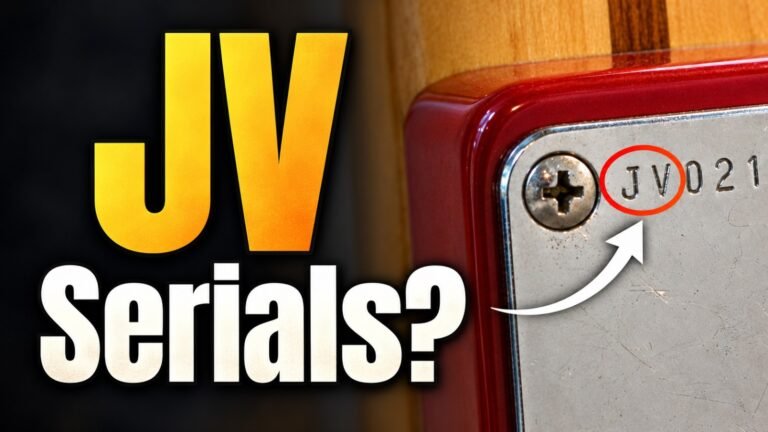 Fender JapanFender Japan JV Serial: The 1982-1984 Guitars, Model Numbers and GradesFender Japan JV serial guitars are the first Fender-licensed instruments built in Japan, made mainly from 1982 to 1984 at…
 SquierSquier History: The Surprising Japanese Start of Fender’s Budget Brand (1890s-2000s)Squier history starts with violins and strings, not guitars, and the modern Squier guitar brand was born in Japan in…
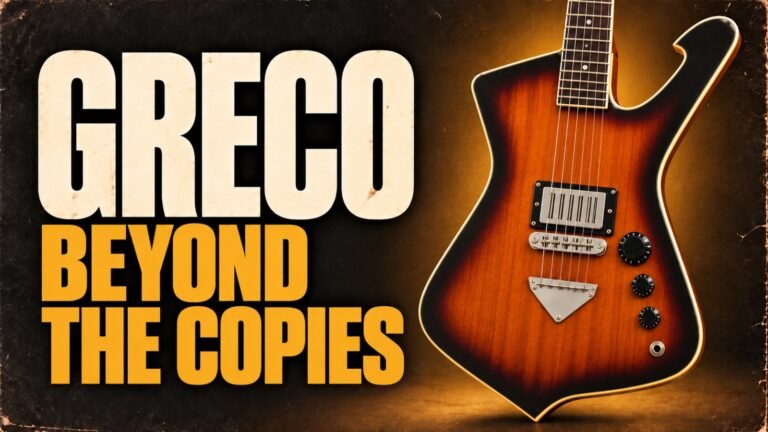 GrecoGreco Original Models: 6 Bold Guitars Beyond the Copies (Mirage, GO, Boogie)Greco original models are the guitars Greco designed itself while it was famous for copying Gibson and Fender. From the…
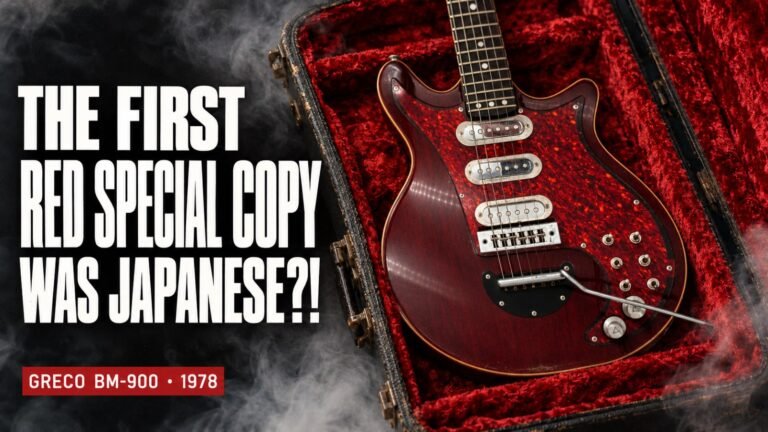 GrecoGreco BM-900: The Remarkable First Brian May Red Special Copy and How It DiffersThe Greco BM-900 (also written BM900) is often considered the very first Brian May copy ever made. It appeared in…
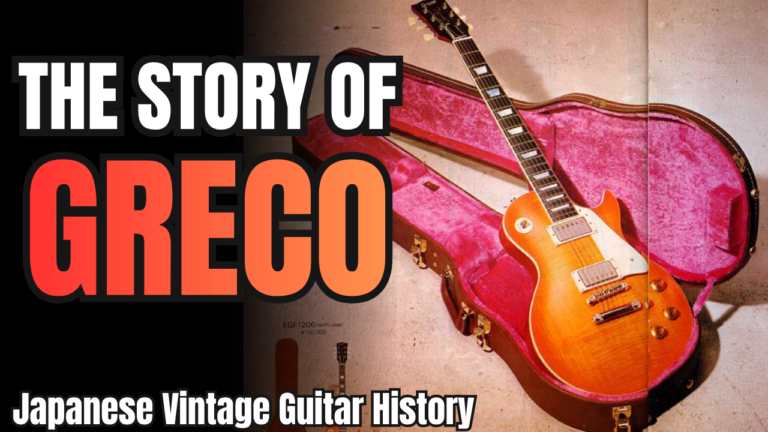 GrecoGreco History: From the EG-360 to Fender Japan (1960s-1980s)Greco history runs from a 1960s guitar brand to the Japanese copy era’s biggest name, and then to the founding…
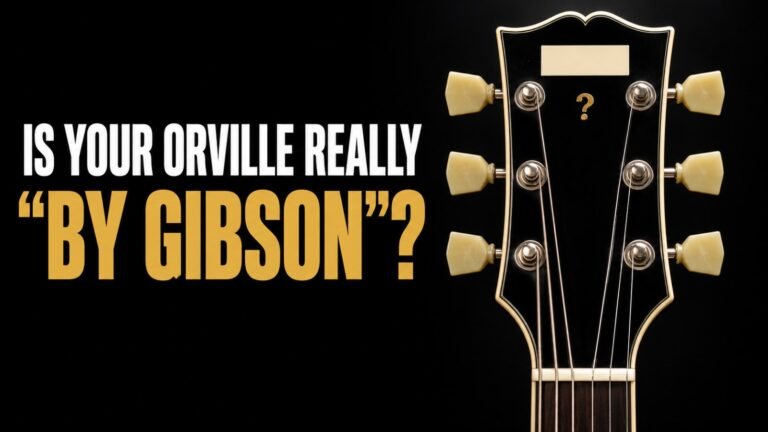 OrvilleOrville vs Orville by Gibson: How to Tell Them Apart (and What They Sell For)Orville vs Orville by Gibson is the first question to answer before you buy one. Both were Gibson-sanctioned, Japanese-made lines…
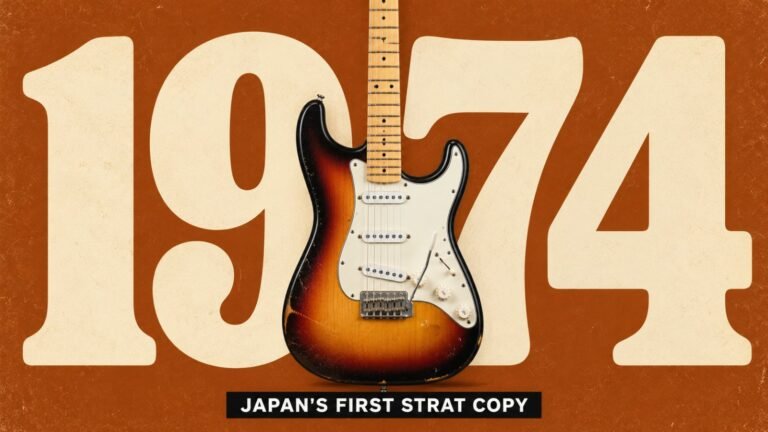 FernandesFernandes FST-80 and The Revival RST: Japan’s First Strat Copy and What Came NextIn December 1974, Fernandes released the FST-80, which many consider Japan’s first real attempt at a fifties-style Strat. This article…
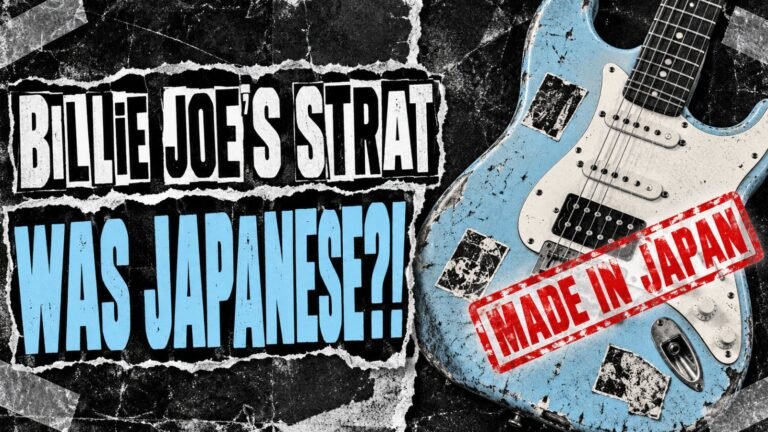 FernandesBillie Joe Armstrong’s Blue: The Japanese Fernandes Strat Behind Green DayBillie Joe Armstrong’s “Blue” is one of the most famous guitars in punk rock, and it isn’t a Fender. It’s…
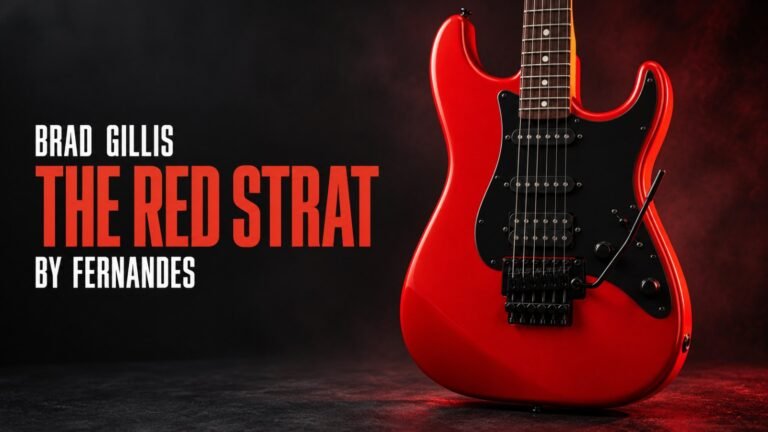 FernandesFernandes Brad Gillis Model: The Red Strat (ST-155BG, ST-120BG, ST-80BG)The Fernandes Brad Gillis model is the red Strat-style signature guitar of Night Ranger’s Brad Gillis, one of the most…
 BurnyBurny History: From FLG Les Paul Copies to the Final Bow (1975-2025)Burny history is the story of the Gibson-copy brand of Fernandes, running from the first FLG Les Paul copies around…
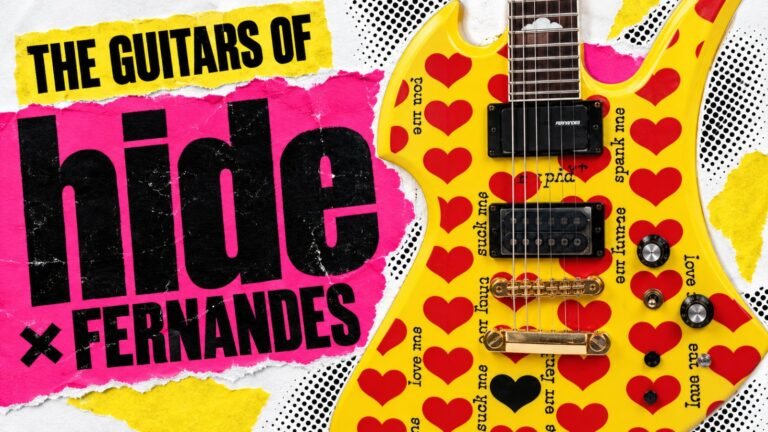 Fernandeshide Fernandes Guitars: Army Panther, Ameba and Yellow Heart ExplainedThe hide Fernandes guitars are some of the most recognizable Japanese guitars ever made. In the 1990s, hide of X…
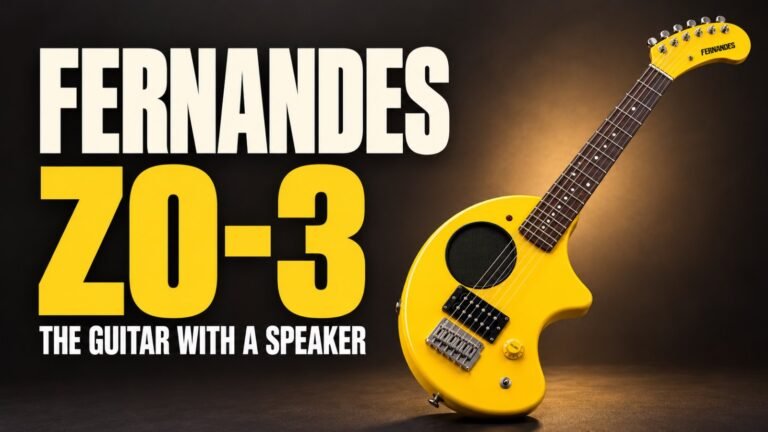 FernandesFernandes ZO-3: The Elephant Guitar, 10 Variations and Famous CollaborationsThe Fernandes ZO-3 is a long-running mini guitar with a built-in amplifier, and its elephant-like shape earned it the nickname…
 FernandesFernandes Guitars History: From Copies to Closure (1969-2025)Fernandes guitars gave the world some of its most surprising models and inventions, mostly in the 1980s and 1990s, and…
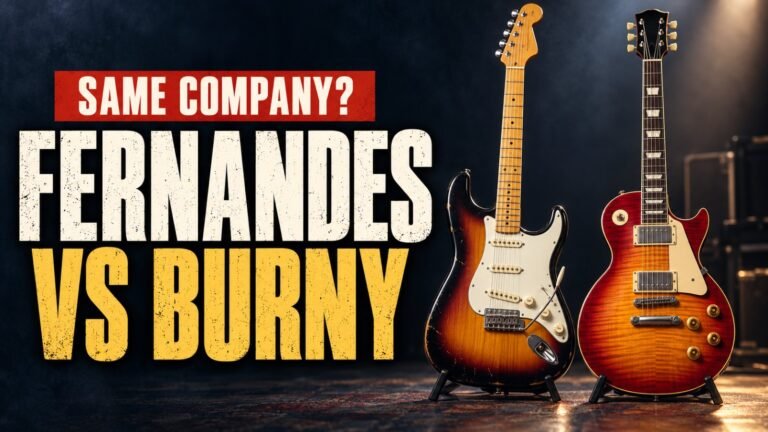 BurnyFernandes vs Burny: 1 Company, 2 Brands ExplainedFernandes vs Burny is a comparison people often get wrong: they were not two companies. Burny was a brand name…
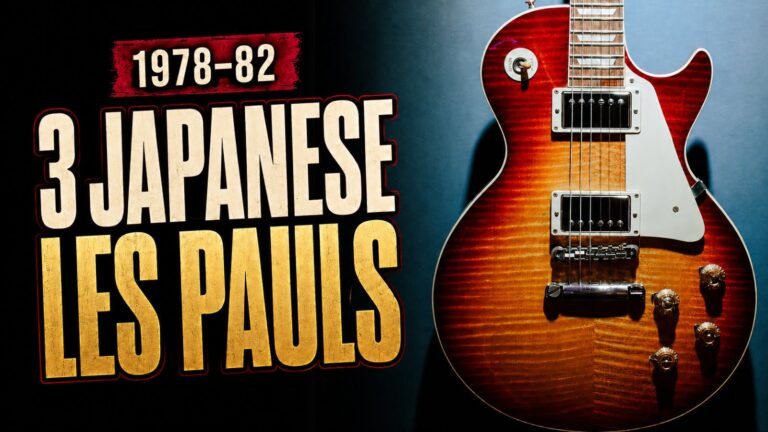 GrecoJapanese Les Paul Copies: Tokai vs Greco vs Burny (1978-1982)Japanese Les Paul copies from the late 1970s are some of the most faithful Les Paul replicas ever built, and…
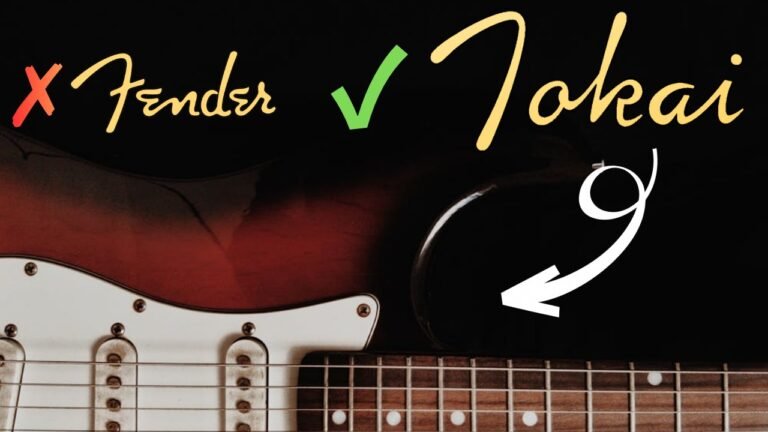 TokaiTokai Springy Sound and Goldstar: 3 Tokai Strat Lines ExplainedThe Tokai Springy Sound is the Strat-style guitar most people mean when they talk about old Tokai, but it was…
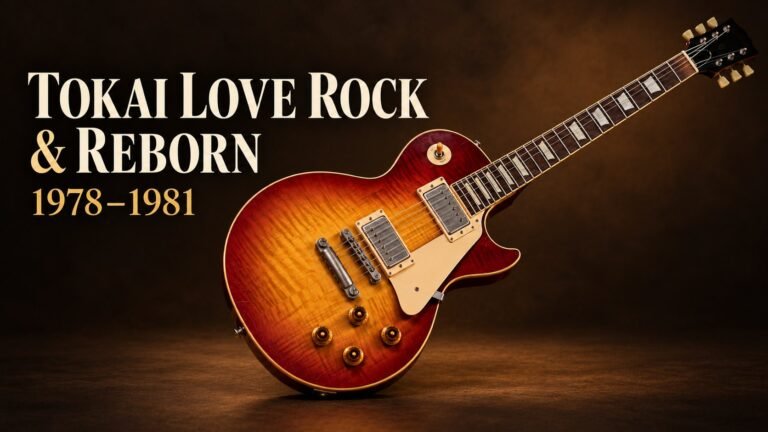 TokaiTokai Love Rock and Reborn (1978-1981): Golden-Era LS GuideThe Tokai Love Rock is Japan’s best-known Les Paul-style guitar, but it went through three names in just a few…
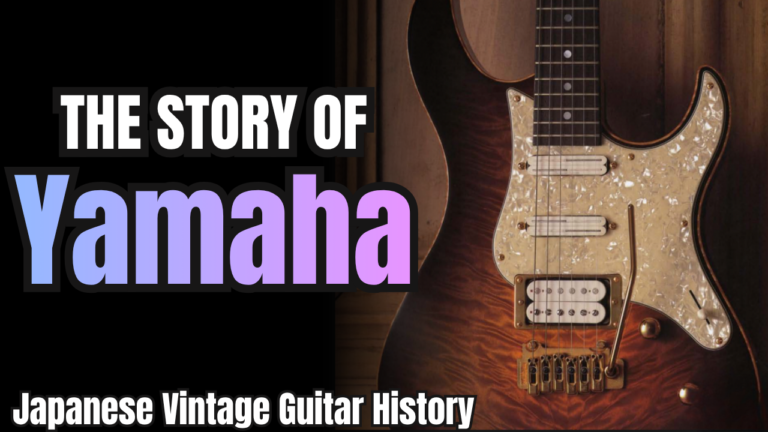 YamahaYamaha Guitars History: From an Organ Repair to 60 Years of IconsYamaha is a name almost everyone knows, even people who have never touched a guitar. But how did the company…
 IbanezIbanez History: The Bookstore That Became a Guitar Giant (1908-Today)Say “shred guitar” and most players think Ibanez first. But the brand started as one department inside a Nagoya bookshop…
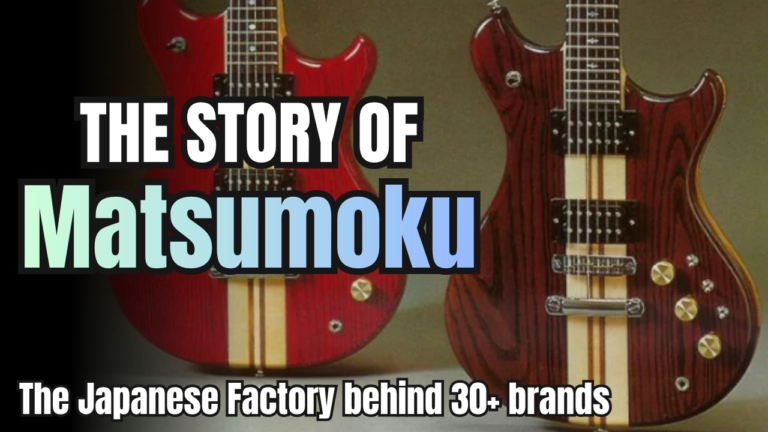 MatsumokuMatsumoku History: The Japanese Factory Behind Aria, Westone and Epiphone (1951-1987)Matsumoku is the most important Japanese guitar factory that almost nobody outside Japan can name. Between 1963 and 1987 this…
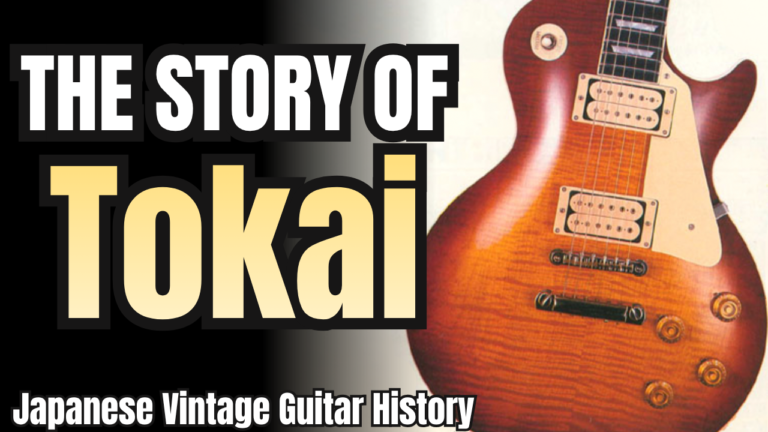 TokaiTokai Guitars History: From Harmonicas to the Lawsuit-Era CopiesTokai is the Japanese brand that made the phrase “better than the original” stick. It started out in 1947 building…
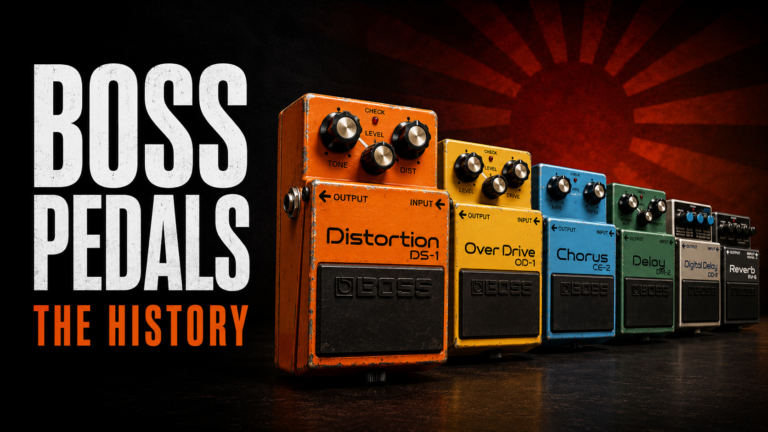 BOSSBOSS History: 50 Years of Japanese Compact EffectsSmall, colorful and built to last: BOSS pedals are everywhere. Even if you have never owned one, you know the…
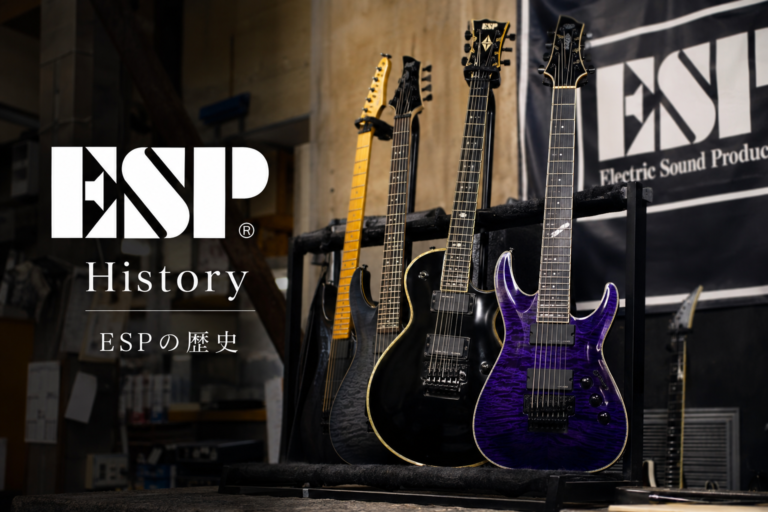 ESPESP History: The Founding Years, 1975 to 1989ESP is known worldwide as a metal brand, but the company started in 1975 as a small Tokyo shop that…
 ESPJames Hetfield’s ESP Guitars: The Complete Guide to Every ModelJames Hetfield’s ESP guitars are among the most iconic instruments in heavy metal. His partnership with the Japanese brand ESP…
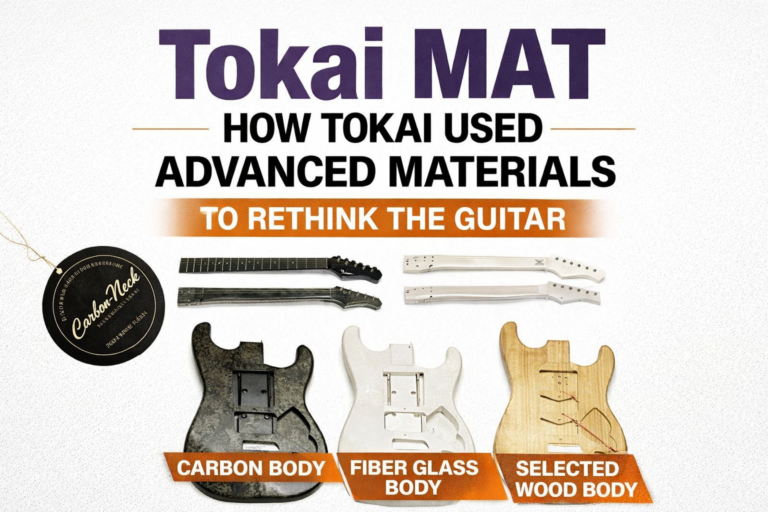 TokaiTokai MAT: How Tokai Used Advanced Materials to Rethink the GuitarThe Tokai MAT is one of the most unusual guitar projects to come out of 1980s Japan, combining carbon-based materials…
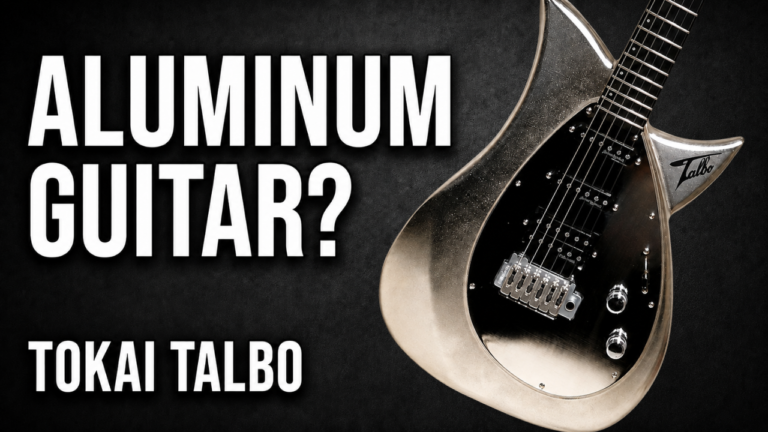 TokaiTokai Talbo: The Aluminum Guitar That Failed, Came Back, and Became Tokai’s FlagshipIn an era when every electric guitar was made of wood as a matter of course, one Japanese model took…
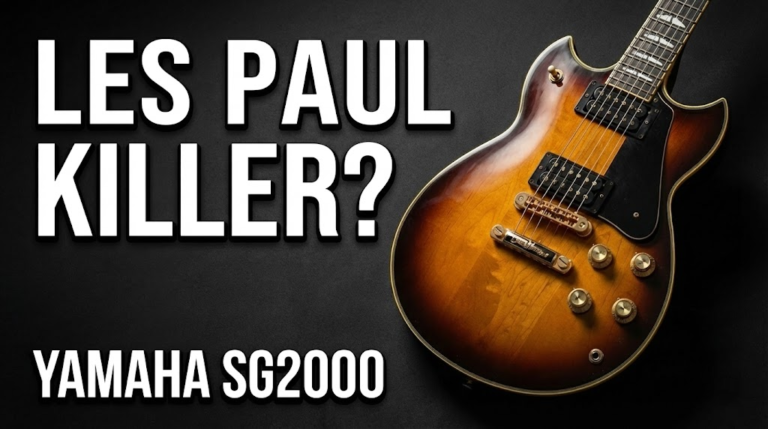 YamahaYamaha SG2000: The Guitar Shaped by Santana’s IdeasThe Yamaha SG2000 is often seen as one of the most iconic electric guitars to come out of Japan.But what…
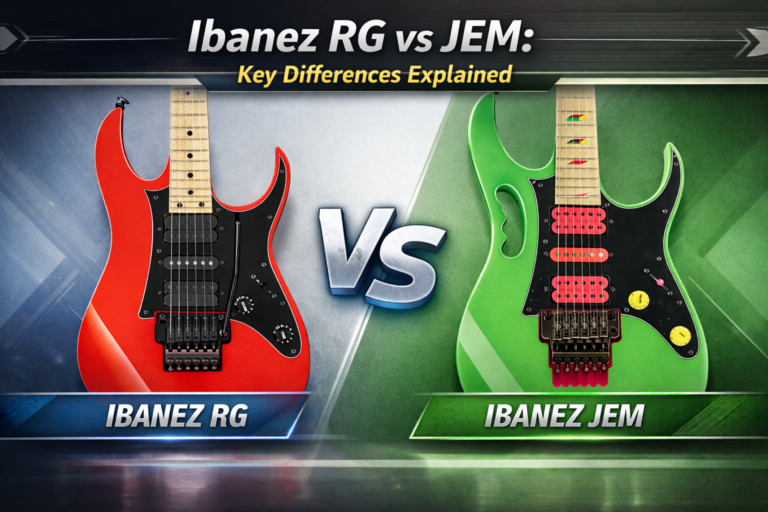 IbanezIbanez RG vs JEM: Key Differences ExplainedIbanez RG vs JEM Quick Facts First JEM model: JEM777 (1987) First RG model: RG550 (1987) Main difference: The JEM…
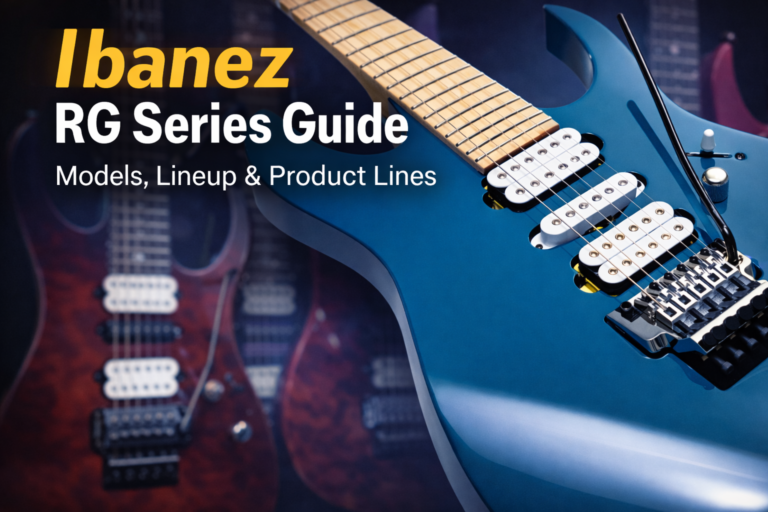 IbanezIbanez RG Series Guide: Models, Lineup & Product LinesIbanez RG Models Quick Facts First RG model: RG550 (1987) Most iconic RG models: RG550, RG570, RG770 Main RG product…
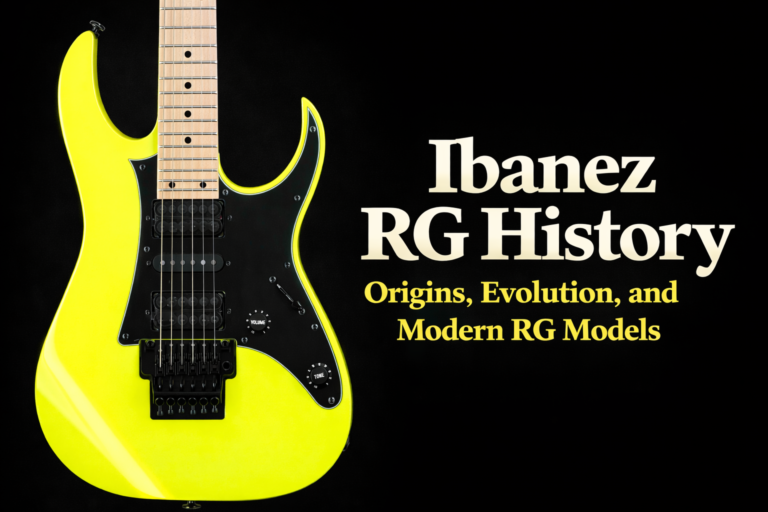 IbanezIbanez RG History: Origins, Evolution, and Modern RG ModelsThe Ibanez RG series is one of the most influential modern electric guitar designs, evolving from the Roadster and Roadstar…
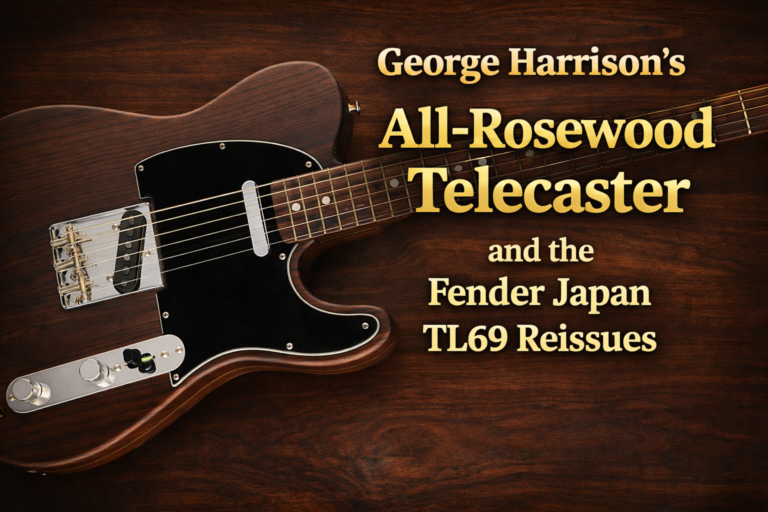 Fender JapanGeorge Harrison’s All-Rosewood Telecaster and the Fender Japan TL69 ReissuesThe George Harrison all rosewood Telecaster is one of the most visually distinctive guitars ever associated with The Beatles. Most…
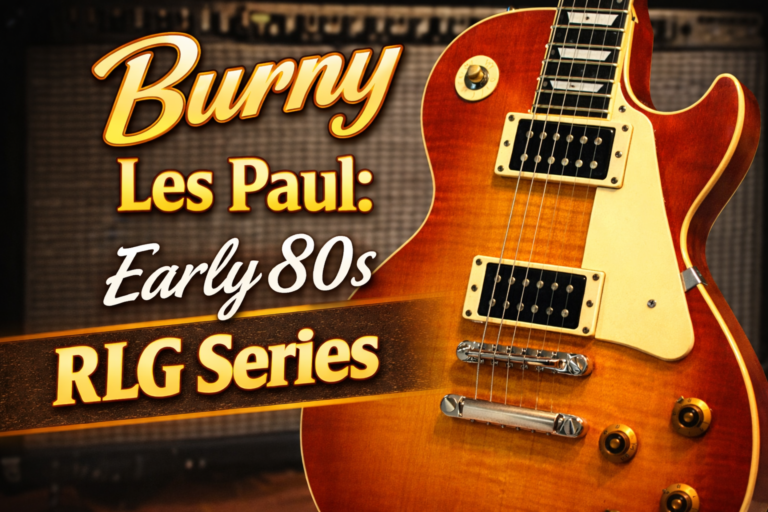 BurnyBurny Les Paul: Early 80s RLG SeriesOverview & Key Points Burny Les Paul models from the early 1980s RLG series represent some of the most detailed…
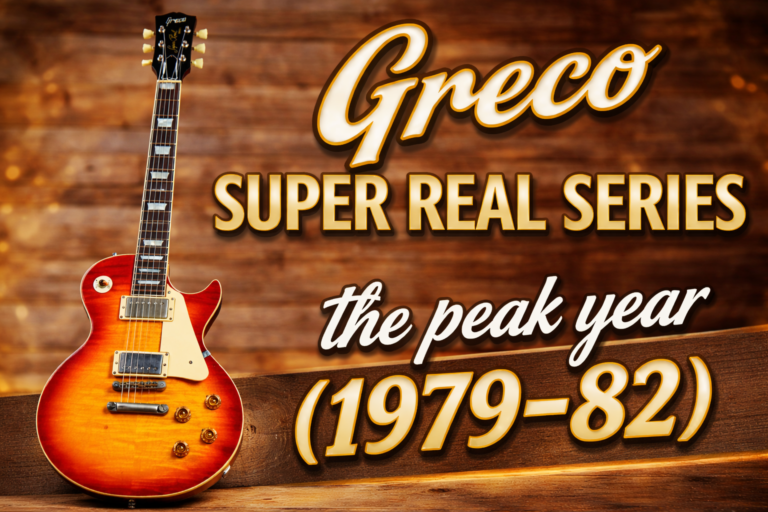 GrecoGreco Super Real Series: The Peak YearsThe Greco Super Real is one of the most respected Japanese Les Paul copies of the lawsuit era. Built by…
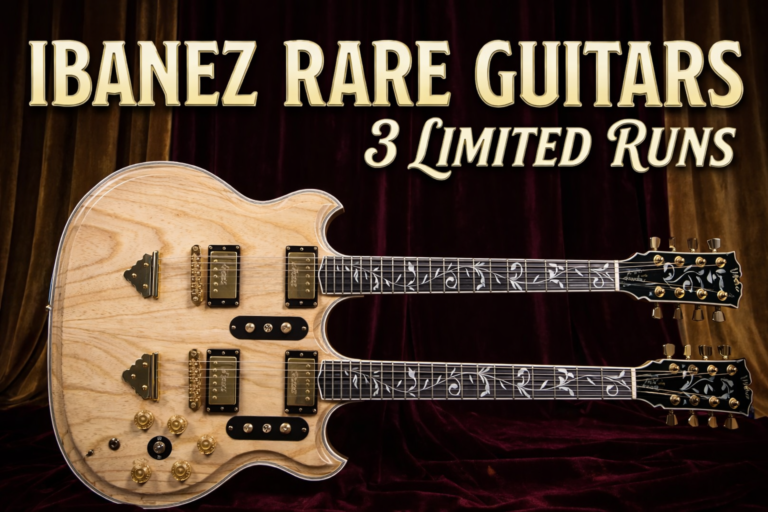 IbanezIbanez Rare Guitars: 3 Limited RunsOverview & Key Points Ibanez rare guitars are limited-production instruments manufactured in exceptionally small quantities, often intended as showcase or…
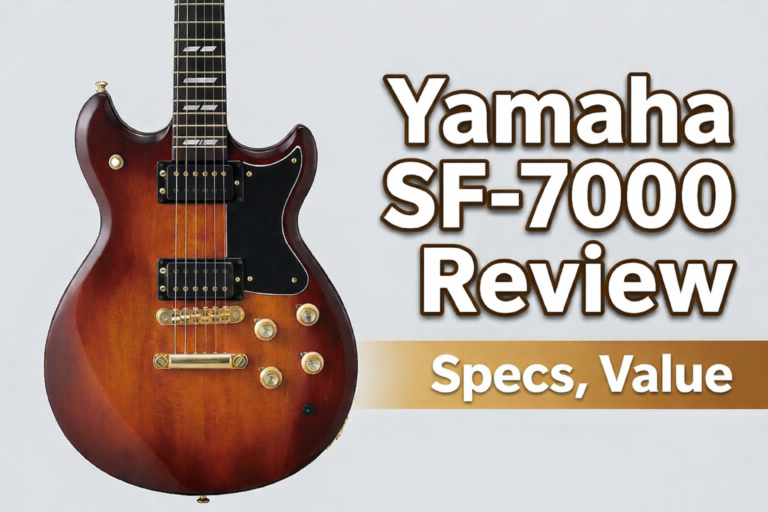 YamahaYamaha SF-7000 Review: Specs, Value & SG ComparisonOverview & Key Points The Yamaha SF-7000 is a late 1970s to early 1980s Japanese solid-body guitar known for its…
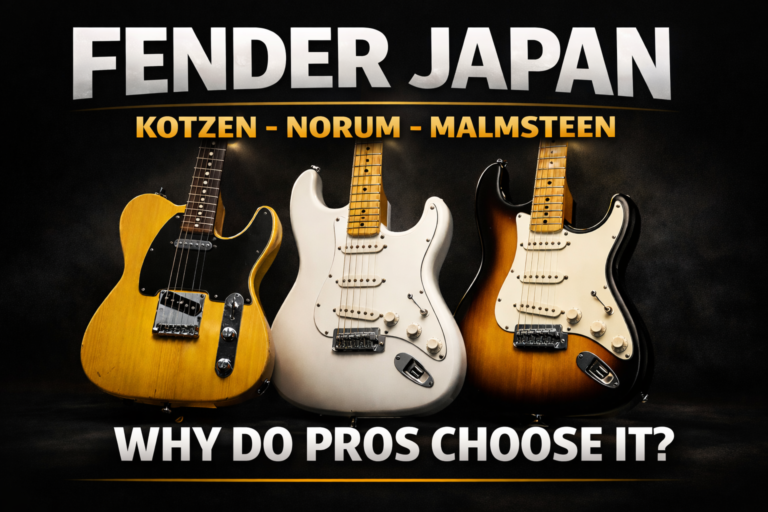 Fender JapanFender Japan Guitars Used by 3 LegendsOverview & Key Points Fender Japan guitars are Japanese-made Fender instruments known for their consistent build quality and practical performance…
How These Articles Are Researched
Most English-language writing about Japanese guitars recycles the same handful of forum posts, and the errors in them have been repeated for twenty years. The research here starts from Japanese-language primary sources instead:
- Manufacturer catalogs
Annual Japanese catalogs are the most reliable record of what was actually offered, at what price, in which year. Model names, finishes, and specs frequently differ between the Japanese and export versions of the same guitar. - Period advertising and magazines
Japanese guitar magazines documented model launches, artist endorsements, and factory changes in detail, and much of it has never been translated. - Factory and distributor records
Serial number systems, production locations, and contract manufacturing relationships. This is where most attribution errors come from and where most of them get resolved. - The instruments themselves
Specs on paper and specs in hand don’t always agree, especially for transitional years.
Corrections welcome
Where sources conflict or a date can’t be confirmed, the article says so rather than picking the more interesting version. If you have catalog scans, serial data, or a correction, get in touch — several articles on this site exist because a reader sent something in.
Frequently Asked Questions
Quick answers about what Features covers.
What’s the difference between Features and Tips?
Features are about the instruments — history, models, design. Tips are about the transaction — how to find, evaluate, and buy Japanese gear. If you want to understand a guitar, start with Features. If you want to buy one, start with Tips.
Do you cover acoustic guitars and basses?
Yes, though electric guitars make up most of the archive so far. Japanese acoustic production — particularly the 1970s Morris, Yamaha, and Takamine output — is significantly under-documented in English and is an area the site is expanding into.
Can I request an article?
Requests are welcome. Whether a piece gets written depends mainly on whether enough source material exists to say anything reliable.