Overview & Key Points
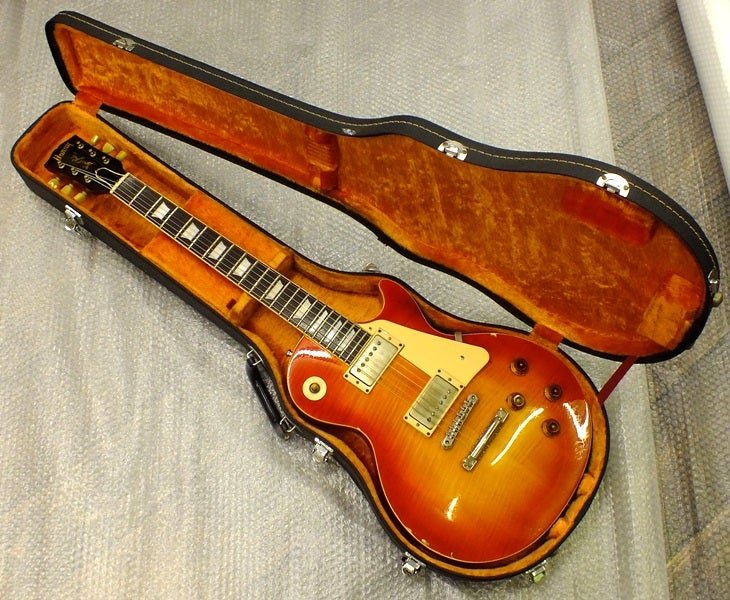
Burny Les Paul models from the early 1980s RLG series represent some of the most detailed Japanese-made Gibson-style instruments of the period. Produced under the Fernandes-operated Burny brand, these guitars were positioned as high-spec domestic alternatives to Gibson.
- Early 1980s RLG series models including RLG-90, RLG-120, and RLG-150
- Vintage-oriented construction such as carved maple tops and fret-edge binding
- “Super Grade” headstock styling closely referencing Les Paul aesthetics
The early 80s Burny Les Paul lineup remains a significant chapter in Japan Vintage guitar history.
Video Overview of This Article
Burny Les Paul in Early 1980s Japan
The Burny Les Paul became prominent during the early 1980s, a period when Japanese manufacturers were refining highly accurate interpretations of American guitar designs. Burny, operated by Fernandes, focused heavily on Gibson-style instruments for the Japanese domestic market.
At the time, Gibson instruments were expensive and less accessible in Japan. As a result, Burny Les Paul models offered players a practical alternative with construction details that reflected late-1950s Les Paul specifications.
Production around 1981 to 1982 is often regarded as a peak period for the RLG series.
Burny RLG Series Models and Hierarchy
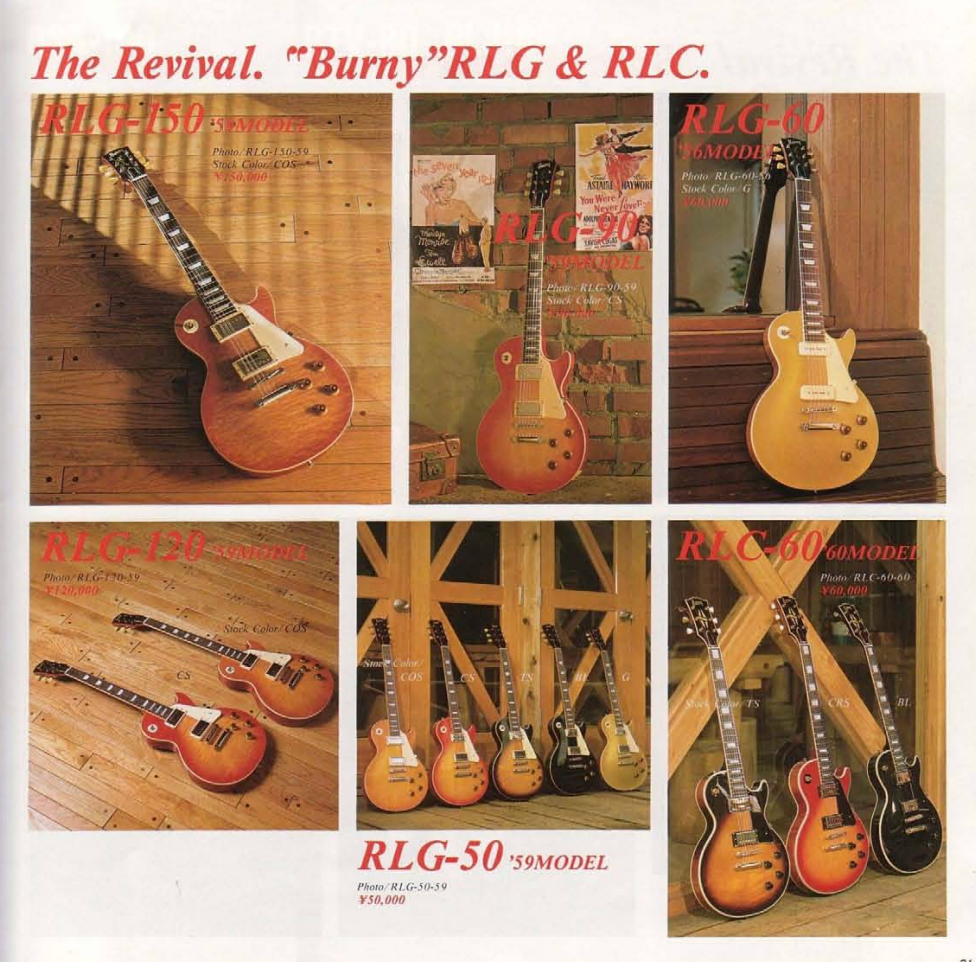
Within the Burny Les Paul lineup, the RLG series formed the core of early 1980s production. Notable models included:
- RLG-50
- RLG-60
- RLG-90
- RLG-120
- RLG-150
The model number generally reflected the original list price in yen, placing the RLG-150 at the top of the range at 150,000 yen. The RLG-90 and RLG-120 were positioned slightly below, with progressively upgraded specifications.
Understanding the RLG hierarchy is essential when evaluating early 80s Burny Les Paul instruments, as specifications varied depending on model tier.
Construction and Specifications of Early 80s Burny Les Paul Models
Early 80s Burny Les Paul guitars in the RLG series emphasized vintage-oriented construction. Common features across higher-tier models included:
- One-piece mahogany back
- Carved maple top
- Fret-edge binding
- Nitrocellulose lacquer finish on upper models
These elements were intended to mirror late-1950s Les Paul construction principles. During the same period, Gibson production models did not always replicate these vintage-style details consistently, which contributed to the reputation of the Burny Les Paul among collectors.
Burny’s approach reflected a focus on period-inspired design rather than cost-driven simplification at the higher price tiers.
The “Super Grade” Headstock and Lawsuit Era Context
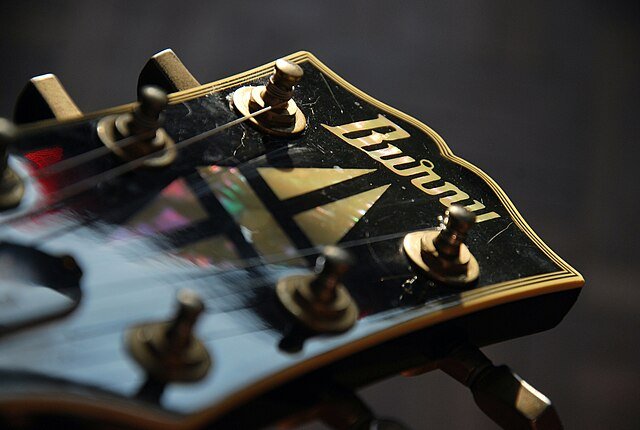
A defining visual detail of certain early 80s Burny Les Paul models, particularly the RLG-150, is the “Super Grade” script on the headstock. The typography closely resembled the Les Paul logo aesthetic.
During what is commonly referred to as the Lawsuit Era, Burny headstocks closely followed Gibson’s open-book outline.
By the late 1980s, the headstock shape was revised, and subtle changes were made to the diamond logo and truss rod cover.
Early RLG series examples remain visually close to Gibson styling, which contributes to their recognition within the Japan Vintage category.
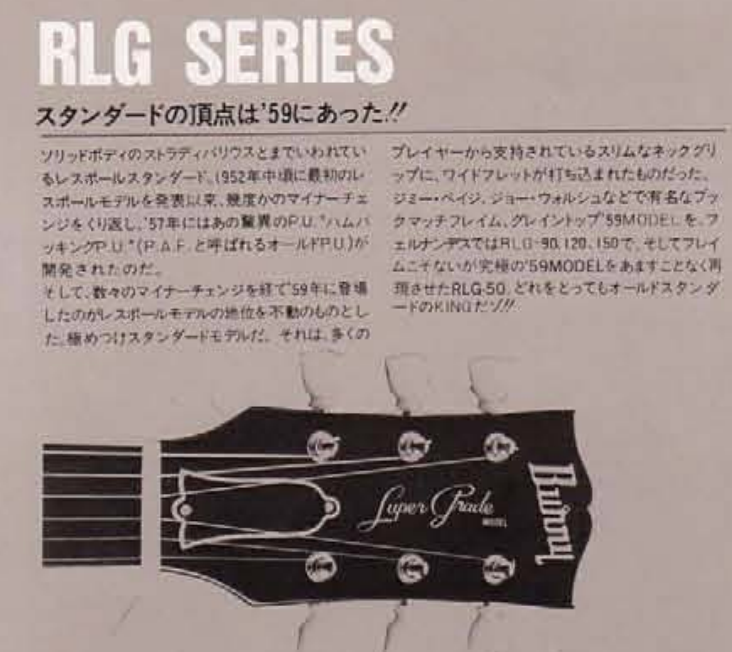
(Image: Burny Catalog 1983)
Market Value and Collector Perspective
Today, early 80s Burny Les Paul guitars from the RLG series are considered part of the broader Japan Vintage market. While still more affordable than vintage Gibson Les Paul models from the 1950s or 1960s, prices have increased due to collector interest in high-accuracy Japanese production.
Value is influenced by:
- Model tier within the RLG series
- Production year
- Originality of finish and hardware
- Overall condition
For players, these instruments provide a vintage-inspired Les Paul experience rooted in early 1980s Japanese craftsmanship.
Conclusion
The Burny Les Paul from the early 80s RLG series represents a focused effort to produce vintage-oriented Gibson-style instruments for the Japanese market. With carved maple tops, fret-edge binding, and “Super Grade” headstock styling, these guitars reflect the priorities of early 1980s Japan Vintage production.
Historically situated within the Lawsuit Era context, the RLG series continues to hold relevance among collectors and players seeking early 80s Japanese interpretations of the Les Paul design.
What is the Burny Les Paul RLG series?
The Burny Les Paul RLG series is a line of early 1980s Gibson-style guitars produced under the Fernandes-operated Burny brand, including models such as the RLG-90, RLG-120, and RLG-150.
When were early 80s Burny Les Paul models produced?
Early 80s Burny Les Paul models in the RLG series were primarily produced around 1981 to 1982, which is often regarded as a peak period for the series.
What does “Super Grade” mean on a Burny Les Paul?
On certain RLG-150 models, the headstock carried the words “Super Grade,” styled similarly to the Les Paul logo, as a design element reflecting vintage-inspired aesthetics.
Are Burny Les Paul guitars part of the Lawsuit Era?
Early 1980s Burny Les Paul guitars are commonly associated with the Lawsuit Era because their headstock shapes closely followed Gibson’s open-book design before later revisions.
How does a Burny Les Paul compare to a vintage Gibson Les Paul?
Burny Les Paul models from the early 1980s were built with vintage-oriented specifications and remain more affordable than 1950s or 1960s Gibson Les Paul models, while offering a similar design approach.

More Burny guitar articles

Burny: The Les Paul Copy That Beat Gibson in Court
Burny is a Japanese guitar brand made by Fernandes, known for building some of the…