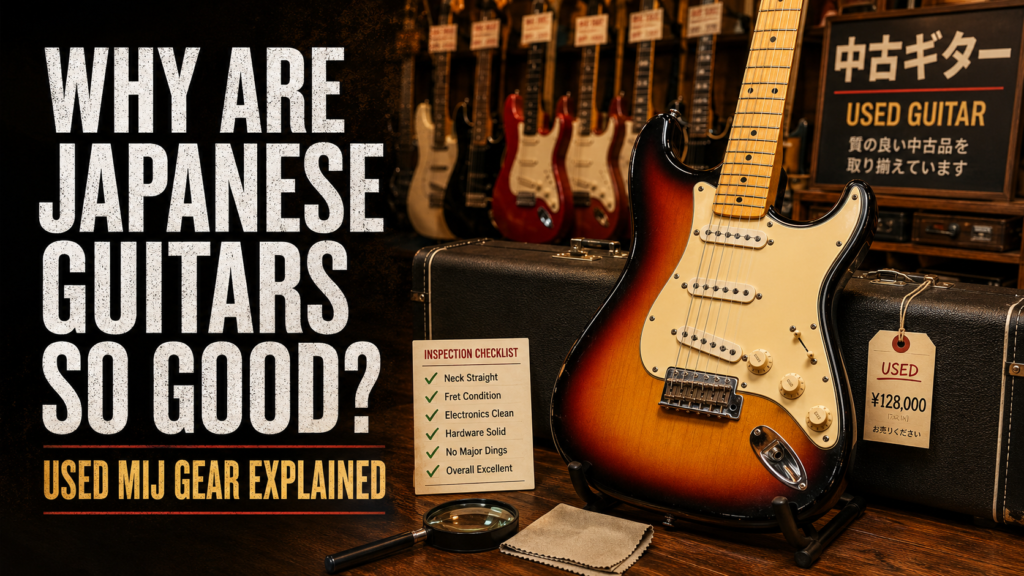
Ask any collector why Japanese guitars are so good and you’ll usually get an answer about factories and craftsmanship. But spend time comparing used Japanese-market guitars to their overseas counterparts and a different, more specific pattern jumps out: instruments that are 20, 30, even 40 years old routinely turn up in remarkably clean condition — original finish intact, frets barely worn, electronics quiet, necks straight. It’s common enough that “surprisingly good condition for its age” has become almost a cliché among overseas buyers browsing Japanese listings.
This isn’t an accident, and it isn’t really about luck. It comes down to a combination of how used instruments move through the Japanese market, how they were built in the first place, and some fairly mundane facts about Japanese homes and climate. None of these factors guarantee a mint guitar every time — but together they explain why “good used condition” is closer to the norm than the exception in Japan.
It’s also worth saying upfront what this isn’t: it isn’t a claim that Japanese players treat their instruments with some kind of mystical reverence, and it isn’t a claim that guitars from other countries are somehow neglected. It’s a more mundane story about incentives and infrastructure — how a market is structured tends to matter more than any individual owner’s habits, and Japan’s secondhand guitar market happens to be structured in a way that consistently produces cleaner outcomes.
A Trade-In Economy, Not a Garage-Sale Economy
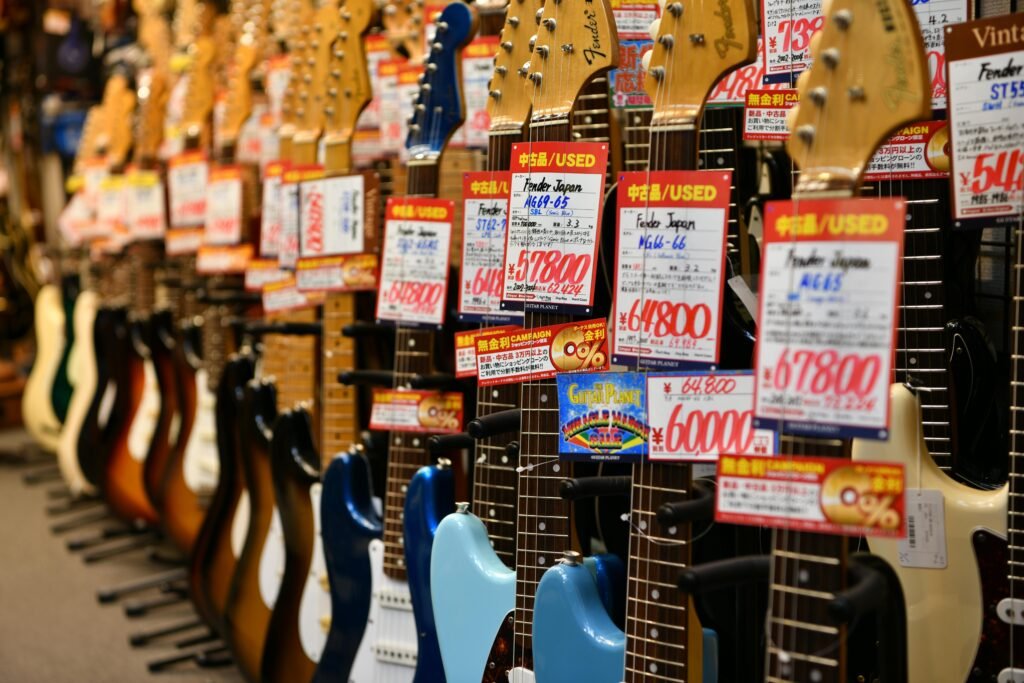
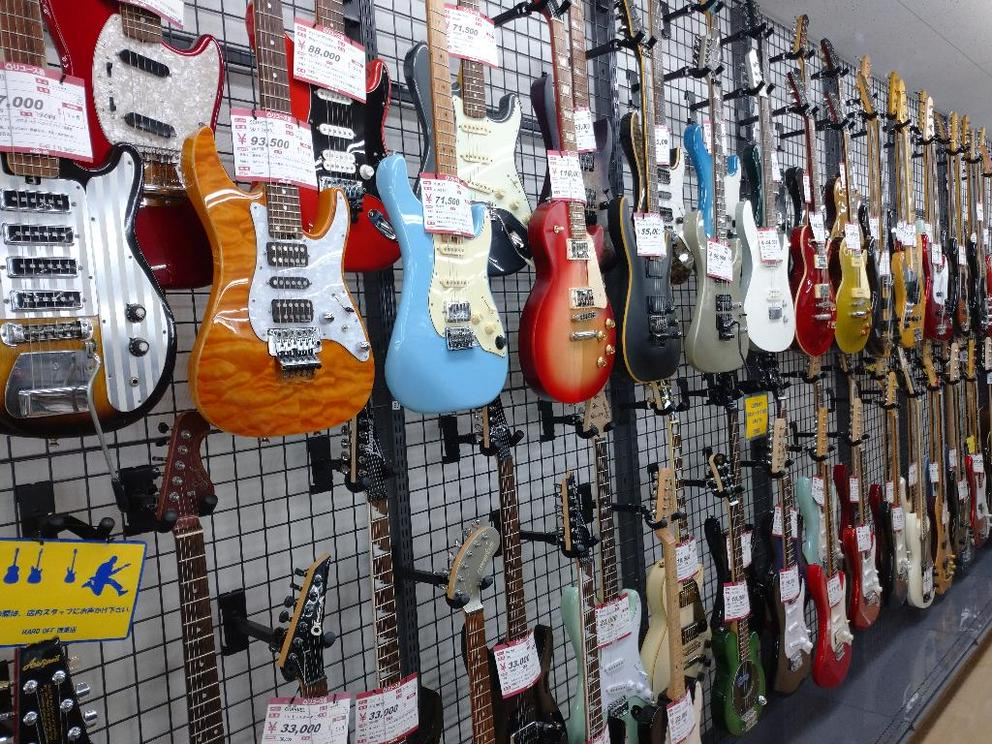
In many countries, a large share of used guitars change hands through private, unmediated transactions — a classified ad, a garage sale, a pawn shop that doesn’t know or care what it’s holding. In Japan, a much larger share of used instruments pass through store buyback (下取り, shitadori) programs run by major chains: Shimamura, Ishibashi, Kurosawa, and Ikebe (through its dedicated Ikebe Reuse arm) all actively buy instruments from players who are upgrading or quitting, rather than leaving them to find their own way to a new owner. See our guide to Japan’s major music store chains for more on how each of these operates.
That matters because a store buying inventory it intends to resell has a direct incentive to inspect, clean, and service what comes in. A guitar bought through Ikebe Reuse, for example, has typically been checked over and serviced by staff before it’s put back on the floor — a fundamentally different starting point than a guitar a private seller lists exactly as it was pulled out of a closet.
A Culture That Treats Gear as Something to Maintain, Not Just Use
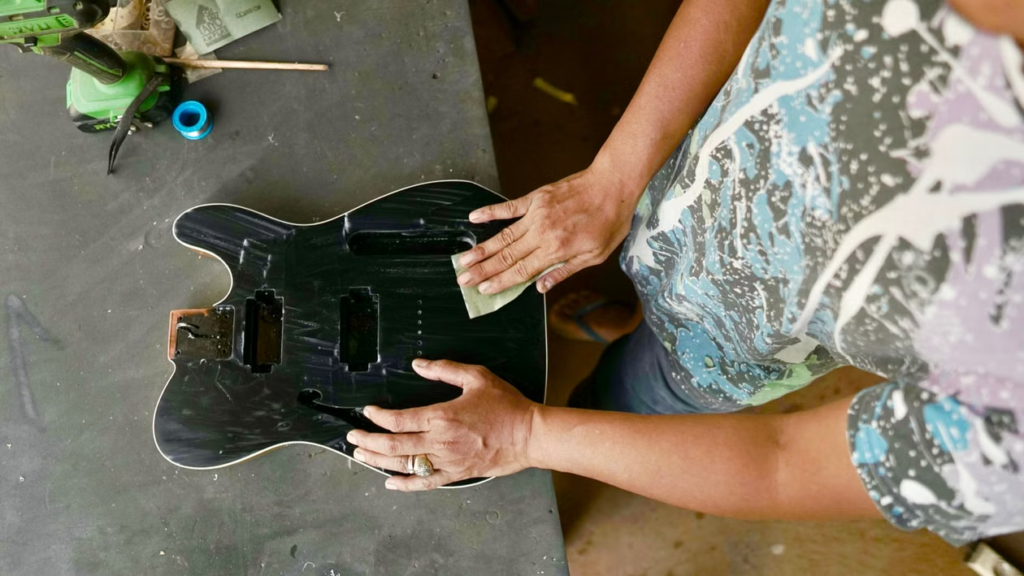
Beyond the mechanics of the resale market, there’s a broader cultural tendency in Japan toward taking visible care of one’s tools and possessions — treating a guitar less as a disposable object and more as something worth maintaining for its own sake, independent of resale value. That shows up in small, cumulative ways: guitars stored in cases rather than left leaning against an amp, strings changed before they visibly corrode, hardware kept clean. None of this is unique to Japan, but the consistency of it across a large share of casual, non-collector players is part of why the average condition of used gear skews high.
Why Japanese Guitars Are So Good in the First Place
Condition also comes down to what the guitars were made of and how. Japanese-made instruments from the classic manufacturing era — factories like FujiGen and Matsumoku through the 1960s–1980s — were built under strict tolerances using carefully selected lumber, at a time when Japan’s guitar-export boom was drawing skilled furniture makers and woodworkers into instrument production. Guitars built to a high standard in the first place simply have more room to age gracefully; there’s less finish checking, less neck movement, and less hardware failure to begin with, decades later.
There’s also a specific historical wrinkle worth knowing: when Japanese acoustic guitar makers first started shipping instruments to the much drier climate of the United States in the early 1960s, a number of guitars developed serious structural problems as the wood reacted to that climate swing. That experience pushed Japanese builders toward better-seasoned lumber and more climate-resistant construction methods — refinements that ended up benefiting every guitar they built afterward, including the ones that stayed in Japan.
A Climate-Conscious Approach to Storage
Japan’s climate is genuinely demanding on wooden instruments — humid, sticky summers and dry winters with indoor heating create the kind of swings that warp necks and crack finishes if instruments are left exposed to them. Rather than being purely a liability, this has arguably made Japanese owners and stores more disciplined about climate control than casual owners in more stable climates: dehumidifiers in storage rooms, guitars kept in cases rather than left out, and a general awareness that instruments need to be protected from the season, not just from bumps and scratches.
A Shrinking Role for Cigarette Smoke
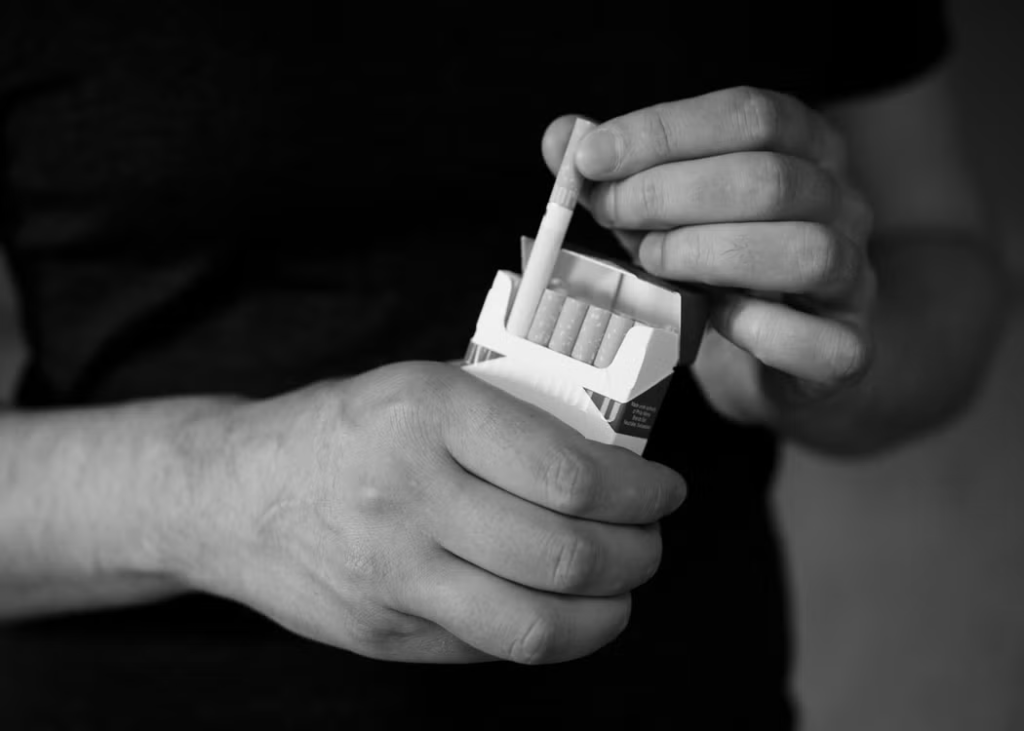
One less obvious factor: a lot of vintage instruments from other markets carry decades of nicotine staining and smoke odor from being played and stored in smoke-filled rooms or vans. Indoor smoking in Japanese homes, and in most retail and rehearsal spaces, has become far less common over the same decades that a lot of this “vintage” gear was aging — which shows up as cleaner-smelling cases and less yellowed lacquer on instruments that spent their lives indoors in Japan.
Small Homes, a Strong Resale Market, and Gear That Keeps Moving
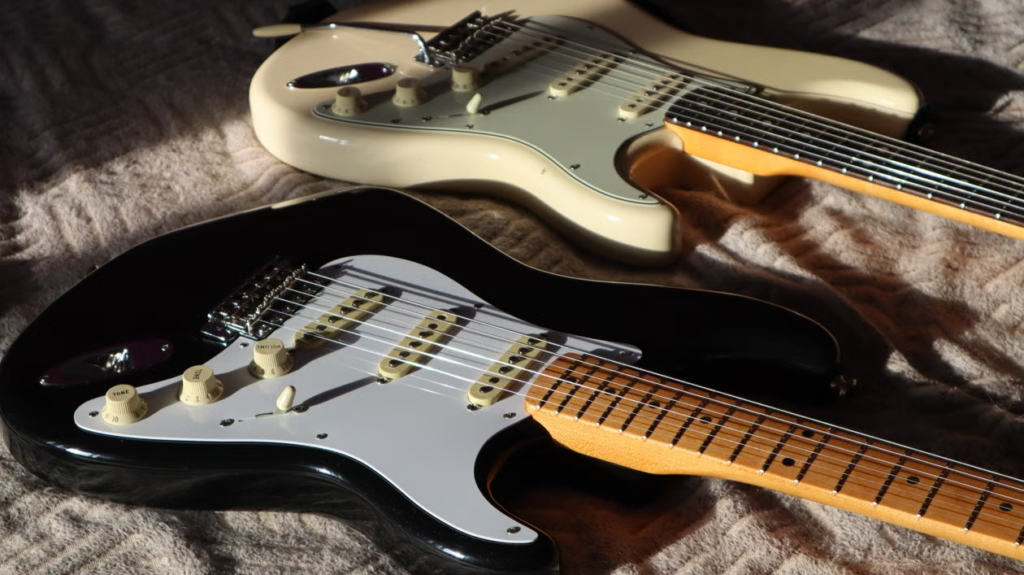
Japanese living spaces, especially in cities, tend to be compact, with limited long-term storage. That’s a real constraint — but combined with a mature, trusted resale ecosystem (chain buyback programs, but also platforms like Mercari and Yahoo Auctions, and reuse chains like Hard Off), it means unused instruments tend to get sold rather than left to sit forgotten in a humid garage or attic for twenty years, quietly deteriorating. Because resale value is something Japanese owners are generally conscious of, there’s an added incentive to keep an instrument in sellable condition the whole time you own it, not just at the point you decide to part with it.
How This Compares to Other Secondhand Markets
It’s worth putting this in context against what overseas buyers may be used to. In markets where private, unmediated sales dominate — a classified ad, a pawn shop, an estate sale — a guitar’s condition depends almost entirely on one owner’s habits over its whole life, with no professional checkpoint in between. A guitar that spent a decade in a humid basement or a smoky garage carries all of that forward to the next buyer with nobody catching it along the way. Japan’s mix of active buyback programs, a cultural habit of caring for tools, and a genuinely demanding climate that owners have learned to plan around doesn’t eliminate that risk, but it does mean more instruments pass through at least one point of inspection, and more owners are storing gear with humidity and dust in mind by default rather than as an afterthought.
A Caveat for Overseas Buyers
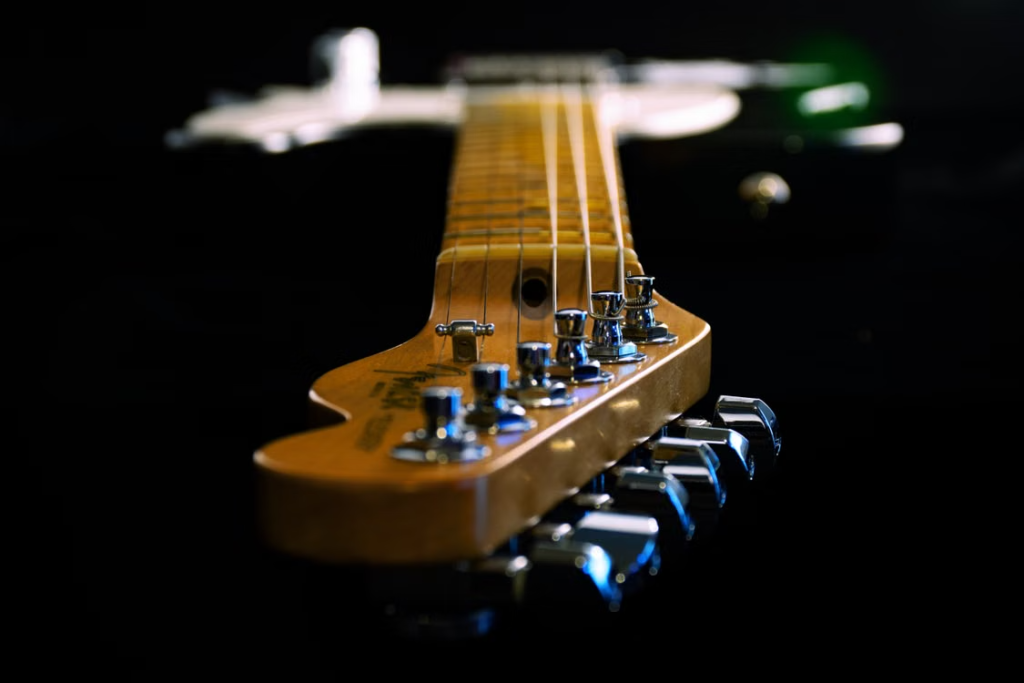
None of this means every used Japanese guitar is flawless, and it doesn’t mean condition claims should go unverified — you should still ask sellers directly about the things that matter, including whether the electronics have any ガリ (gari, a crackling noise in pots or jacks) or whether the neck shows any 反り (sori, warping); see our glossary of Japanese guitar article for exactly what to ask about and how listings usually describe it. It’s also worth remembering that shipping an instrument out of Japan’s climate into a very different one abroad can introduce new humidity-related issues even to a guitar that was in excellent shape when it left the store — something worth planning for separately when arranging shipping.
FAQ
Does “used” in Japan mean something different than it does elsewhere?
Not officially, but in practice, a large share of used Japanese-market guitars have passed through a store’s buyback and inspection process rather than a purely private sale, which tends to raise the average condition compared to markets where private resale dominates.
Are older Japanese guitars always better built than newer ones?
Not necessarily — quality varies by factory, era, and price tier, but the “golden era” Japanese factories of the 1960s–80s (Fuji Gen and Matsumoku in particular) built a reputation for tight tolerances and good materials that still holds up in how those instruments have aged.
Should I still get a used Japanese guitar inspected before buying?
Yes. Good average condition isn’t a guarantee for any individual instrument — always ask about gari, neck relief, fret wear, and originality before committing, especially for a purchase you can’t inspect in person.
Does buying from a Japanese store guarantee a better instrument than buying locally?
No — it shifts the odds, not the certainty. A well-cared-for guitar from any country can be excellent, and a neglected one from Japan can still have issues. What the Japanese secondhand market offers is a higher baseline on average, thanks to buyback inspections, storage habits, and build quality, not an individual guarantee for every listing.