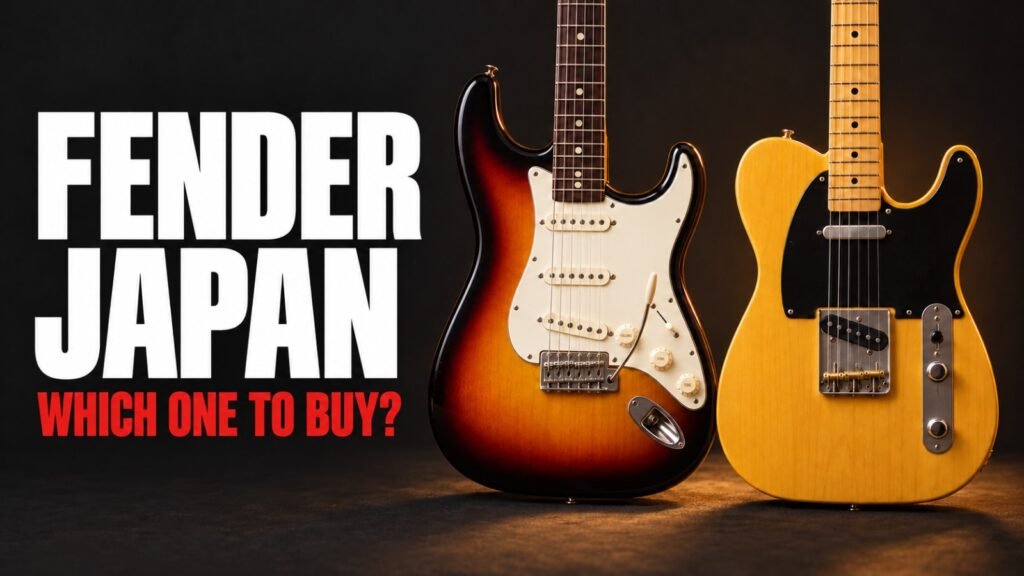
Fender Japan guitars are the official Fender instruments built in Japan from 1982 to 2015, first at FujiGen and later at Dyna Gakki. They began as vintage reissues meant to beat the Japanese copy makers at their own game, and the best of them are still rated alongside Fender USA guitars of the same years.
This guide covers how Fender Japan began, what makes it different, how to read the model numbers and serials, the lines worth knowing, and which one to buy.
Fender Japan Quick Facts
- Started: 1982, as licensed Fender production in Japan
- Built by: FujiGen (1982 to around 1997), then Dyna Gakki
- Most collectible: JV serial guitars (1982–1984)
- Model numbers: body + year + price, e.g. ST57-115 = ¥115,000
- Ended: 2015, continued as Fender Made in Japan
Start here
- Fender Japan JV Serial: the legendary first guitars, grades and model numbers
- Fender Japan Serial Numbers: date yours from JV to JD
- Fender Japan Guitars Used by 3 Legends: Kotzen, Norum and Malmsteen
- Fender Japan History in Brief
- What Makes Fender Japan Different
- How to Read Fender Japan Model Numbers
- How to Date a Fender Japan by Serial Number
- Which Fender Japan Should You Buy?
- Vintage Fender Japan Models Collectors Look For
- Notable Fender Japan Players
- Buying Used Fender Japan Guitars
- Related Brands and Factories
- Final Thoughts
- FAQ
- All Fender Japan Articles
Fender Japan History in Brief
In the 1970s, cheap but surprisingly well-made Japanese copies were threatening Fender, while CBS-era Fender quality had become inconsistent. So in 1982 Fender stopped fighting Japan and partnered with it: official Fender models could now be built there under license, with Squier launched alongside as the export budget line.
| Years | What happened |
|---|---|
| 1982 | Fender Japan begins; JV serial ST57 and ST62 built at FujiGen |
| 1984–1987 | E serials; the six-digit format begins |
| 1986 | ExTrad semi-custom series; F serials |
| Mid-1980s | Boxer Series, including the 24-fret Performer |
| From around 1995 | Dyna Gakki production begins (Crafted in Japan) |
| 2007 | Fully Dyna-built guitars marked Made in Japan |
| 2012 | JD serials start |
| 2015 | Fender Japan ends; Fender Made in Japan continues |
Prefer the full story?
Squier History: The Surprising Japanese Start of Fender’s Budget Brand (1890s-2000s)
How the 1982 deal created Fender Japan and Squier together.
What Makes Fender Japan Different
Vintage Reissues Built Like the Originals
Fender Japan did not start with new designs. It started by recreating the most loved years of the Stratocaster and Telecaster as closely as possible:
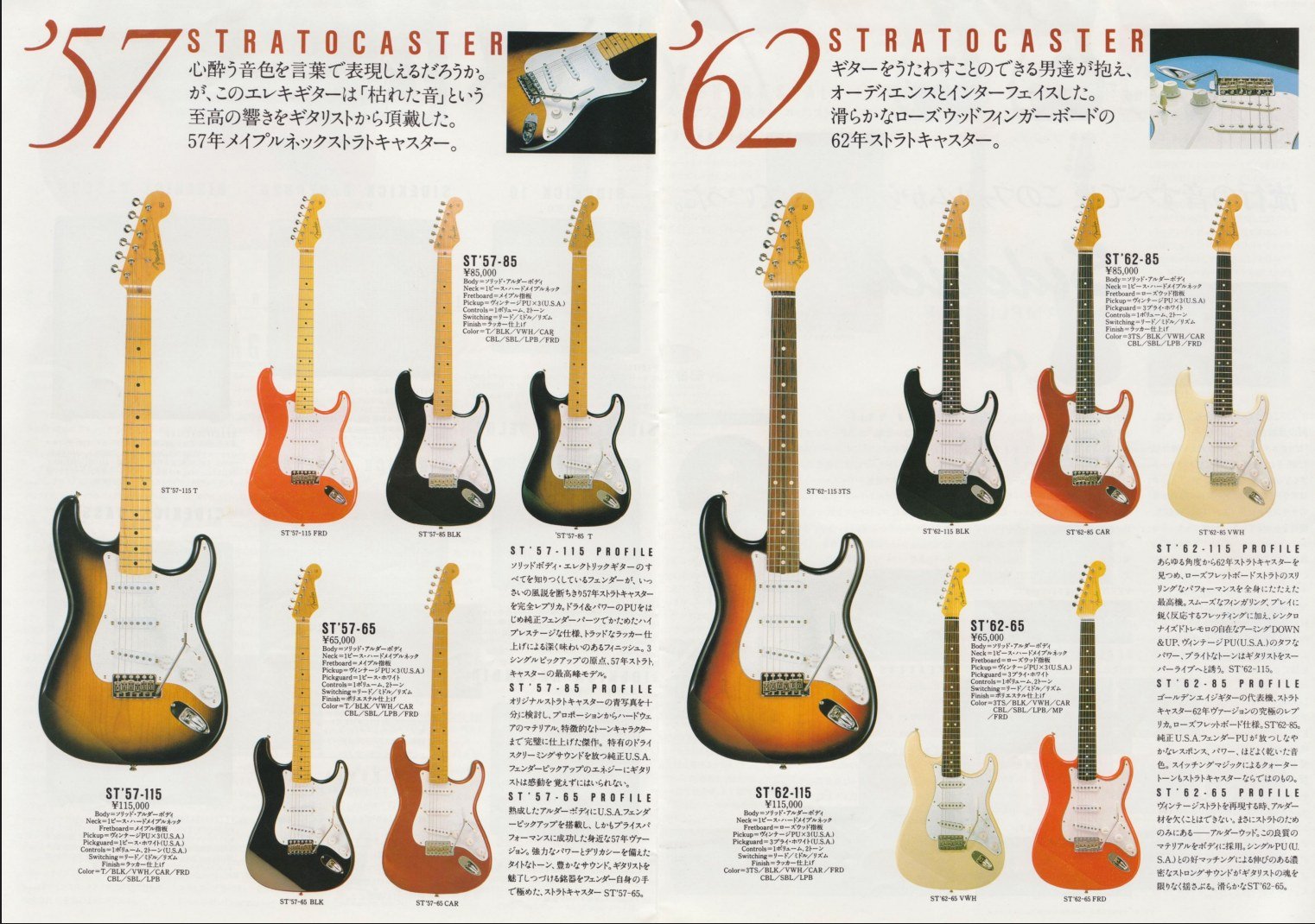
- Reportedly 243 vintage Stratocasters studied with engineers of the time
- About 100 spec points checked on the Strat and 70 on the Tele
- Alder and ash bodies, when many Japanese guitars used sen ash
- U.S.A. vintage pickups on every JV grade, even the ¥65,000 model
FujiGen vs Dyna Gakki
Who built them is the biggest single factor in how Fender Japan guitars are valued today.
| Factory | Years | Marking | What to know |
|---|---|---|---|
| FujiGen | 1982 to around 1997 | Made in Japan | The most sought-after era |
| Dyna Gakki (phase one) | From around 1995 | Crafted in Japan | Assembled at Dyna; woodwork outsourced to companies such as Tokai |
| Dyna Gakki (phase two) | From 2007 | Made in Japan | Fully built at Dyna Gakki |
Dyna-made guitars are often rated below FujiGen ones, but they are highly regarded guitars in their own right.
How to Read Fender Japan Model Numbers
Model numbers on Fender Japan guitars tell you three things at once. Putting the price in the model number was common on Japanese guitars of the time.
(TL = Telecaster)
(1957 specs)
(¥115,000)
How to read a Fender Japan model number: ST57-115.
| Grade | List price | Finish | U.S.A.-made parts (JV catalog) |
|---|---|---|---|
| 115 | ¥115,000 | Lacquer | Pickups, pickguard and controls |
| 85 | ¥85,000 | Lacquer | Pickups |
| 65 | ¥65,000 | Polyester | Pickups |
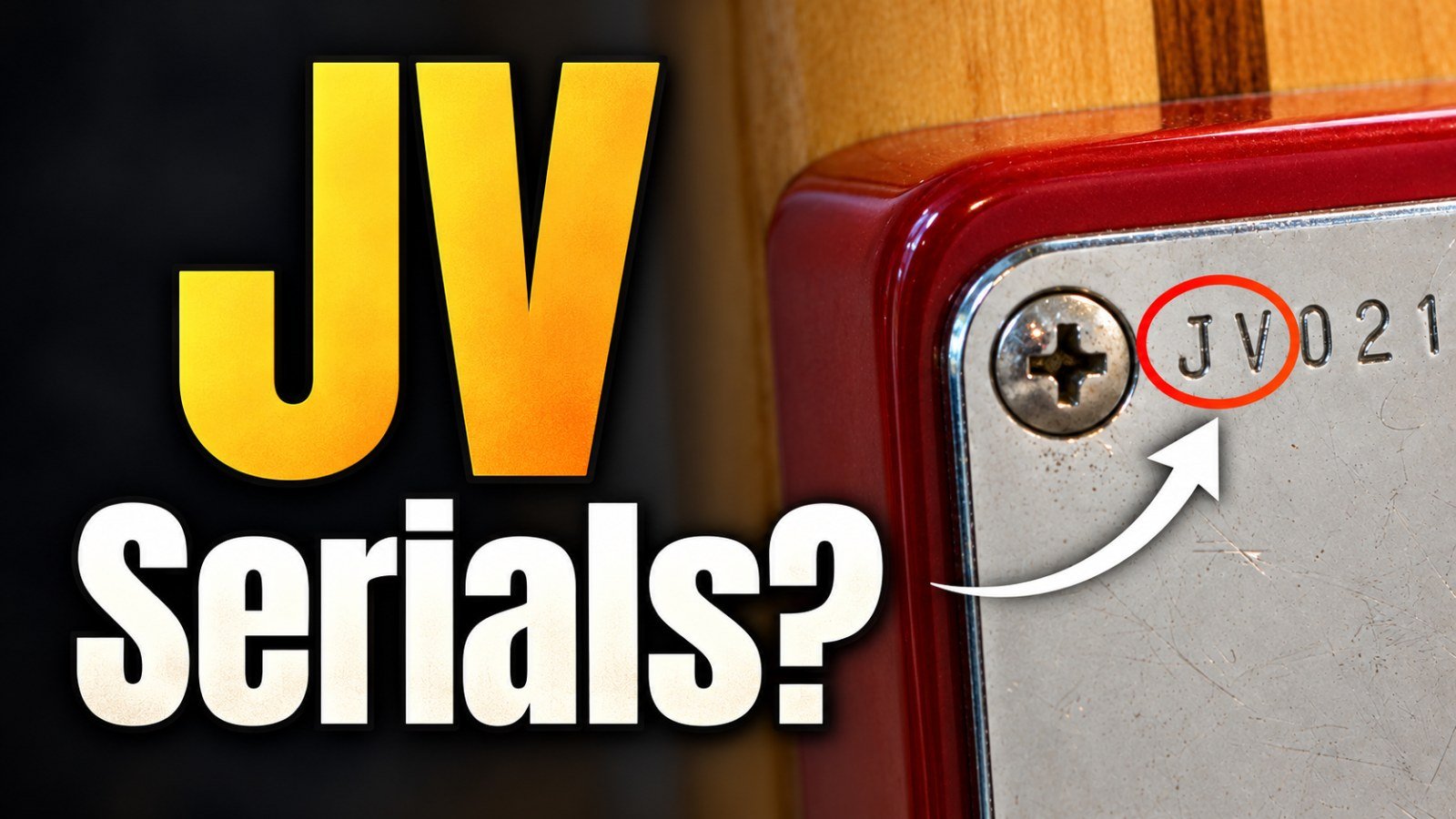
Deep dive
Fender Japan JV Serial: The Legendary 1982-1984 Guitars, Model Numbers and Grades
The first Fender Japans: ST57, ST62, grades and how to check yours.
How to Date a Fender Japan by Serial Number
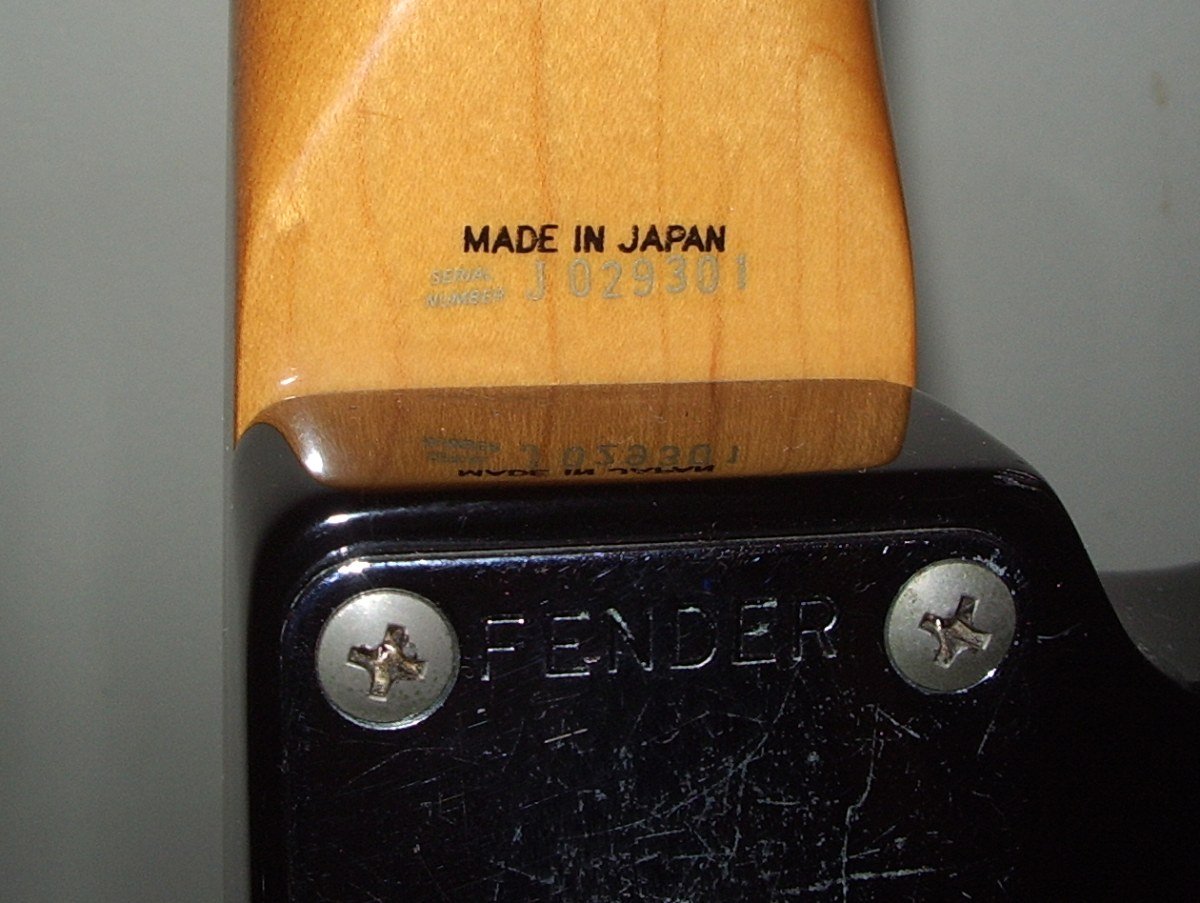
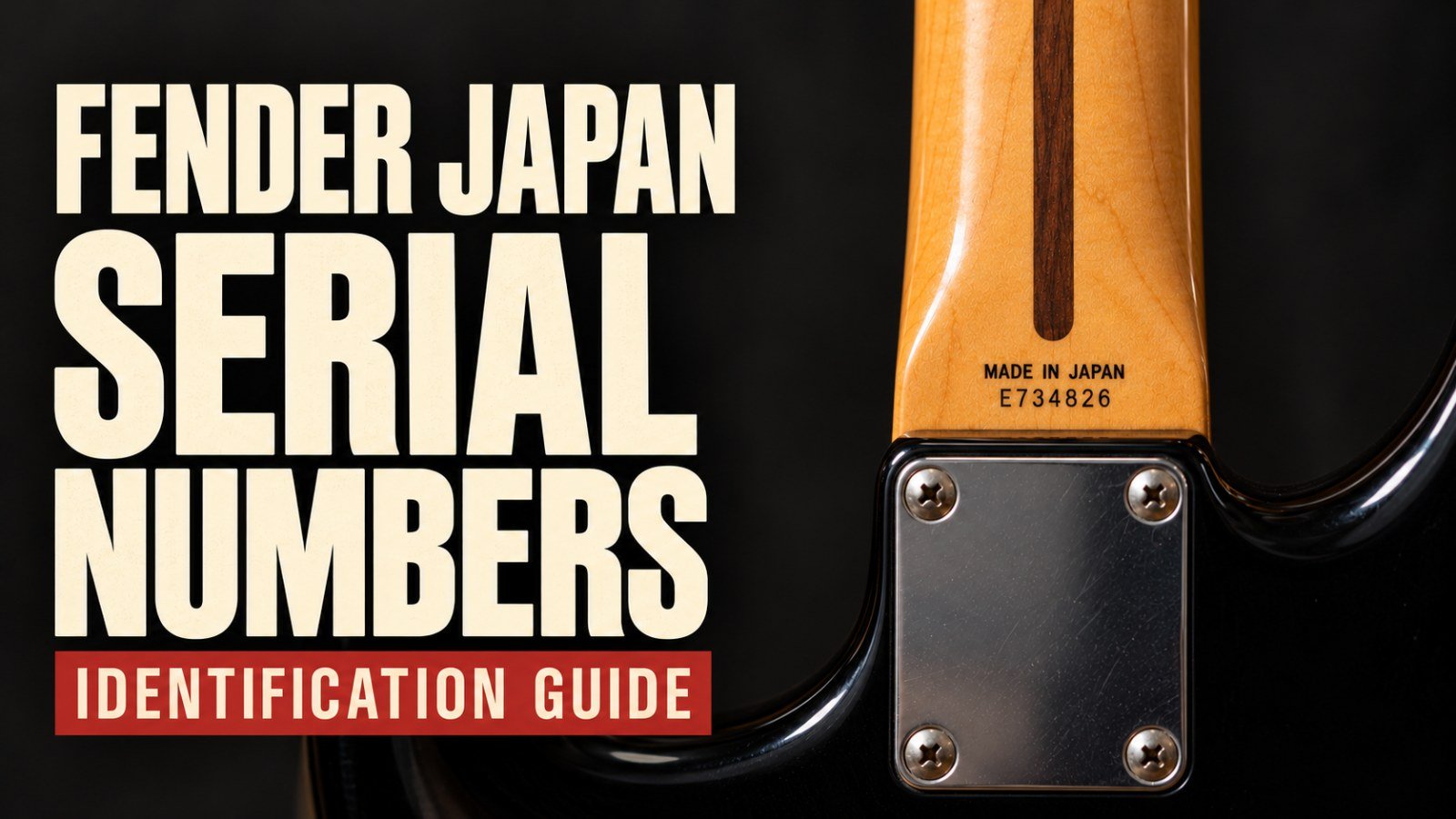
On Fender Japan guitars, a letter prefix tells you roughly when yours was made, and the marking next to it hints at which factory built it.
| Period | Serial format | Marking | Built by |
|---|---|---|---|
| 1982–1997 | JV, SQ + 5 digits; E onward + 6 digits | Made in Japan | FujiGen |
| From around 1995 | Letter + 5 or 6 digits, then letter + 0 + 5 digits (e.g. P0) | Crafted in Japan | Dyna Gakki assembly |
| From 2007 | Letter + 0 + 5 digits (e.g. U0) | Made in Japan | Dyna Gakki |
| From 2012 | JD + 2-digit year + 6 digits | Made in Japan | Dyna Gakki |
Deep dive
Fender Japan Serial Numbers: The Essential Guide from JV to JD (1982-2015)
Every prefix from JV to JD, with years, markings and factories.
Which Fender Japan Should You Buy?
| You want… | Look for |
|---|---|
| The most collectible vintage reissue | JV or SQ serial guitars (early 1980s) |
| A FujiGen build for less | E to V serial reissues (1984–1997) |
| A rare semi-custom | ExTrad (1986) |
| Something no one else has | Performer (Boxer Series) |
| A solid player on a budget | Dyna-era Crafted in Japan models |
My pick
A JV or SQ Serial Fender Japan
If I were choosing, I’d go for a JV or SQ serial guitar. They aren’t cheap, but there’s something special about owning one from Fender Japan’s very first production run.
Vintage Fender Japan Models Collectors Look For
JV Serial Guitars (1982–1984): Where It All Began
The first Fender Japans were the ST57 and ST62 Stratocasters and the TL52 and TL72 Telecasters, each offered in 115, 85 and 65 grades. Many players felt they had better neck work, finishing and setup than Fender USA guitars of the same years.
Decision line: if you want the Fender Japan with the strongest reputation, this is it, but check more than the neck plate before you buy.
ExTrad (1986): The Semi-Custom Fender Japan
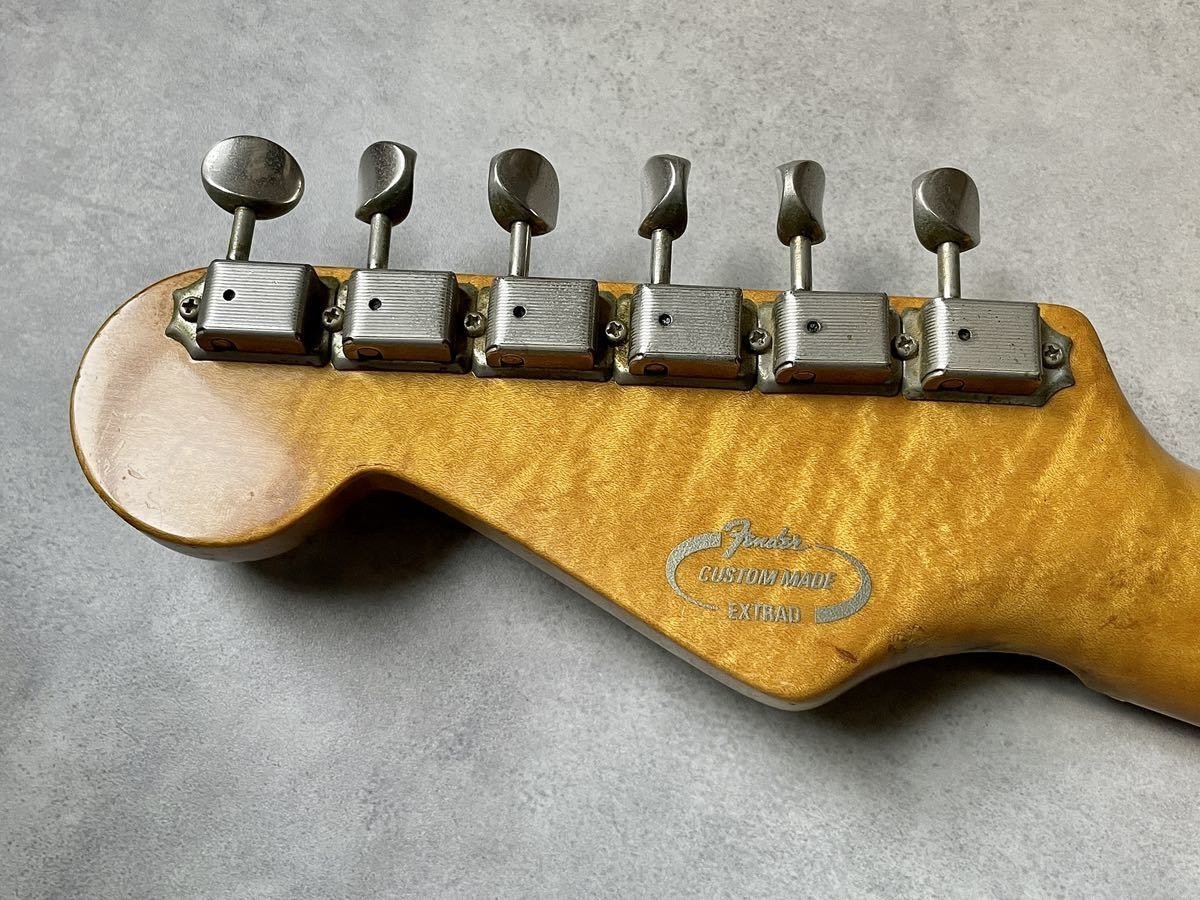
ExTrad was the higher-end line of 1986: almost semi-custom guitars with selectable woods and colors, yet only around ¥70,000 at the time. Look for the ExTrad logo on the back of the headstock or the name engraved on the neck plate.
Decision line: a pretty rare model, worth grabbing if you find one in good shape.
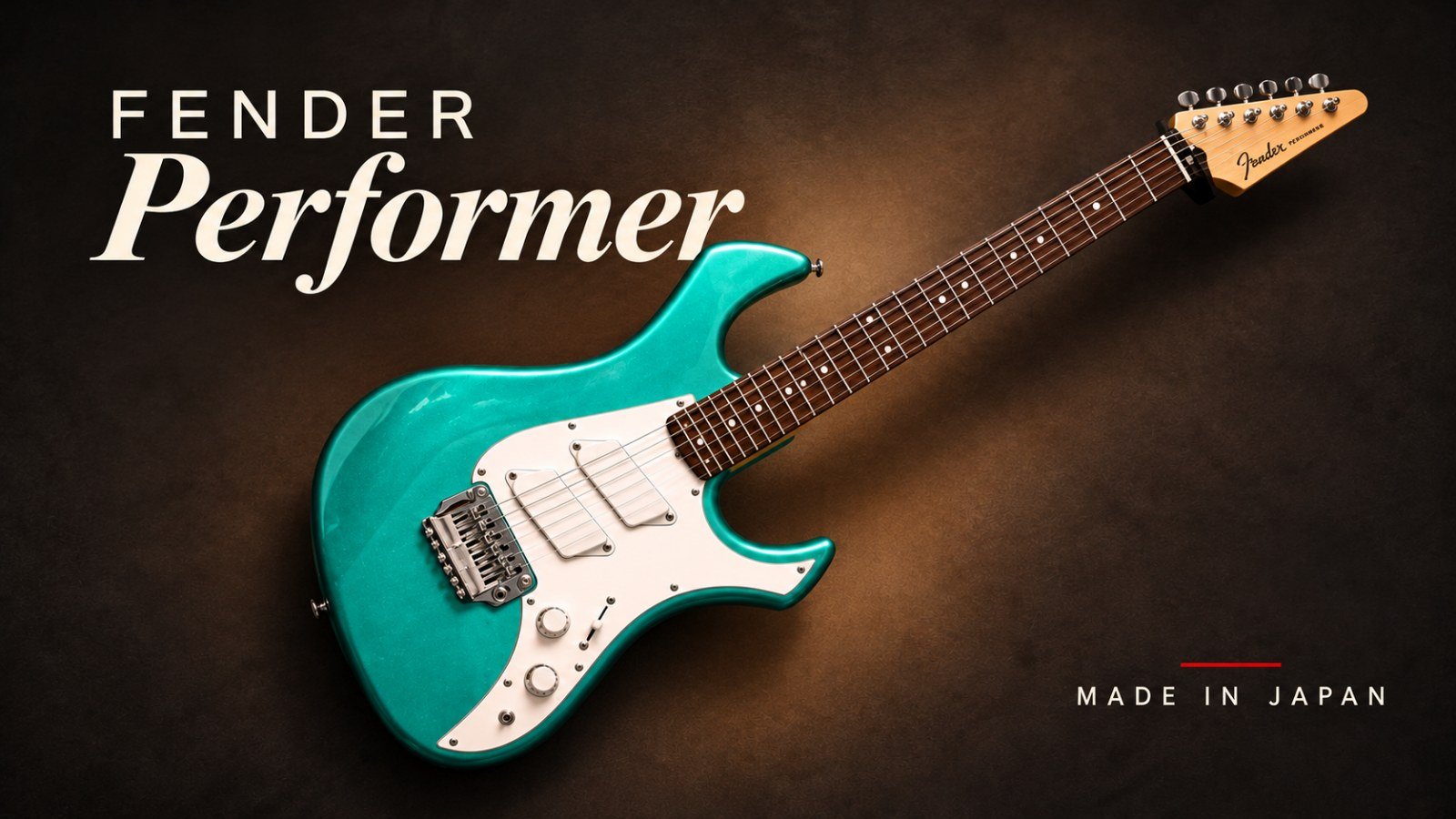
Performer (Boxer Series): The 24-Fret Oddball
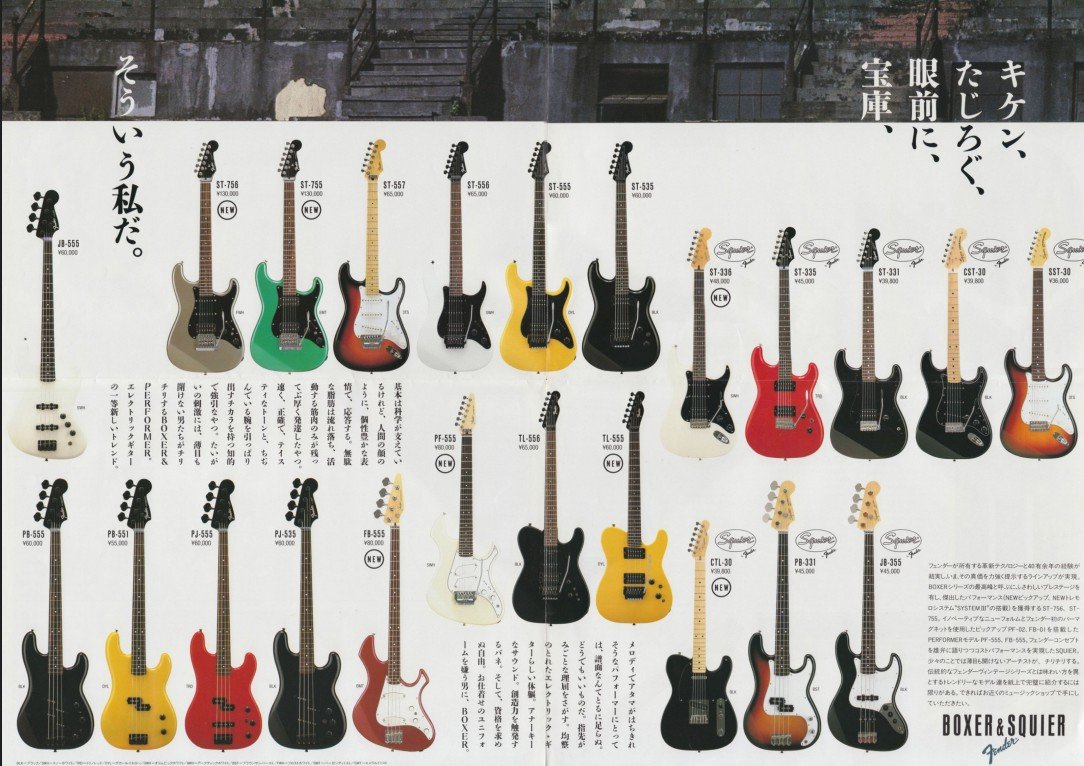
The Performer was part of the mid-1980s Boxer Series: a basswood body, 24 frets and bar-magnet pickups that the catalog calls Fender’s first. The PF-555 guitar and FB-555 bass each listed at ¥80,000.
Deep dive
Fender Performer: The Strange 24-Fret Boxer Series Guitar from Fender Japan
The Boxer Series oddball with Fender’s first bar-magnet pickups.
Notable Fender Japan Players
| Player | Fender Japan connection |
|---|---|
| Richie Kotzen | His Japanese-made signature Telecaster has been his main guitar since 1996 |
| John Norum | A Fender Japan ’72 Reissue Strat covered most of Gone to Stay |
| Yngwie Malmsteen | Japan-built signature Strats in the studio, and reportedly Japanese Strats for smashing on stage |

Deep dive
Fender Japan Guitars Used by 3 Legends
Richie Kotzen, John Norum and Yngwie Malmsteen.
Buying Used Fender Japan Guitars
- Read the serial and the marking together: Made in Japan vs Crafted in Japan tells you a lot. See the serial guide.
- Don’t trust a JV plate alone: JV neck plates are sold on their own; check the neck pocket stamp and pencil date too.
- Check the condition: after four decades, wear and modifications matter more than the badge.
- Hear it before you buy: play or listen to the guitar yourself if you can.
Related Brands and Factories
Final Thoughts
Fender Japan started as Fender’s answer to the Japanese copies and ended up with a reputation of its own. Whether you want a JV serial Strat, a rare ExTrad or an oddball like the Performer, the serial, the marking and the factory are what tell you what you really have.
FAQ
Are Fender Japan guitars good?
Yes. The early FujiGen-built guitars in particular are highly respected, and many players rate them as highly as Fender USA guitars of the same years for neck work, finish and setup.
Who made Fender Japan guitars?
FujiGen built them from 1982 until around 1997. From around 1995 Dyna Gakki took over, first assembling guitars with outsourced woodwork (marked Crafted in Japan), then building them fully in-house from 2007 (marked Made in Japan).
What does ST57-115 mean?
ST is the body style (Stratocaster), 57 is the year it recreates (1957) and 115 is the original list price in thousands of yen (¥115,000).
How do I date a Fender Japan by serial number?
Look at the letter prefix and the marking. JV and SQ are the earliest (1982–1984), E and the alphabet serials run to 1997, prefixes with a 0 such as P0 or U0 are Dyna Gakki era, and JD serials from 2012 include the year (JD12 = 2012).
Is Fender Japan the same as Fender Made in Japan?
Not quite. Fender Japan ended in 2015, and Japanese production continued under Fender Made in Japan. Both are Japanese-built Fenders, but the name, period and serial formats differ.
All Fender Japan Articles

Fender Kintsugi Guitars: Beautiful Stratocasters Inspired by Japan’s Golden Repair
Fender kintsugi guitars bring a traditional Japanese repair art to the Stratocaster. From a one-off…
Fender Performer: The Strange 24-Fret Boxer Series Guitar from Fender Japan
The Fender Performer is one of the strangest-looking guitars ever to wear the Fender name….
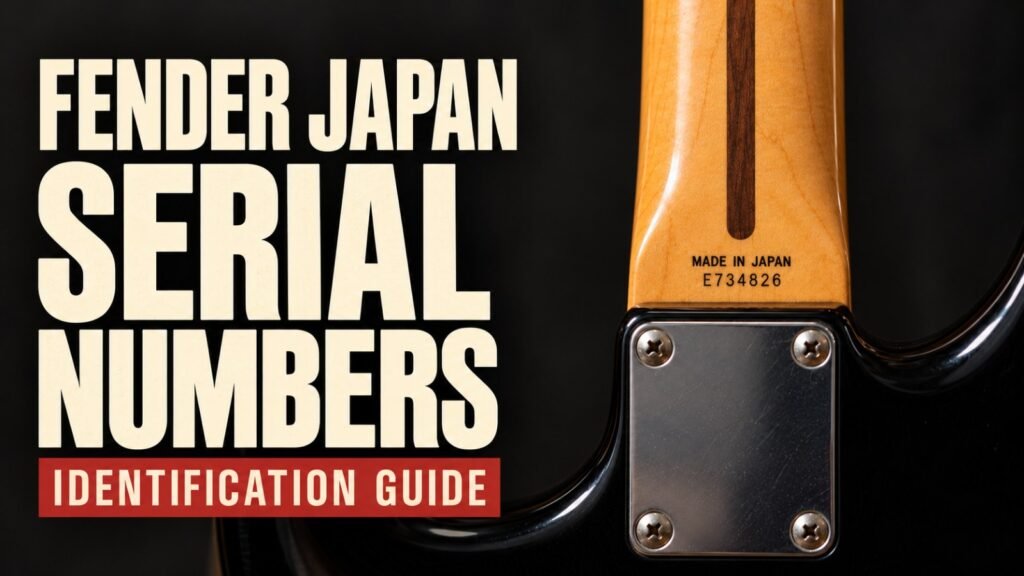
Fender Japan Serial Numbers: The Essential Guide from JV to JD (1982-2015)
Fender Japan serial numbers are much easier to remember than most brands’. A letter prefix…
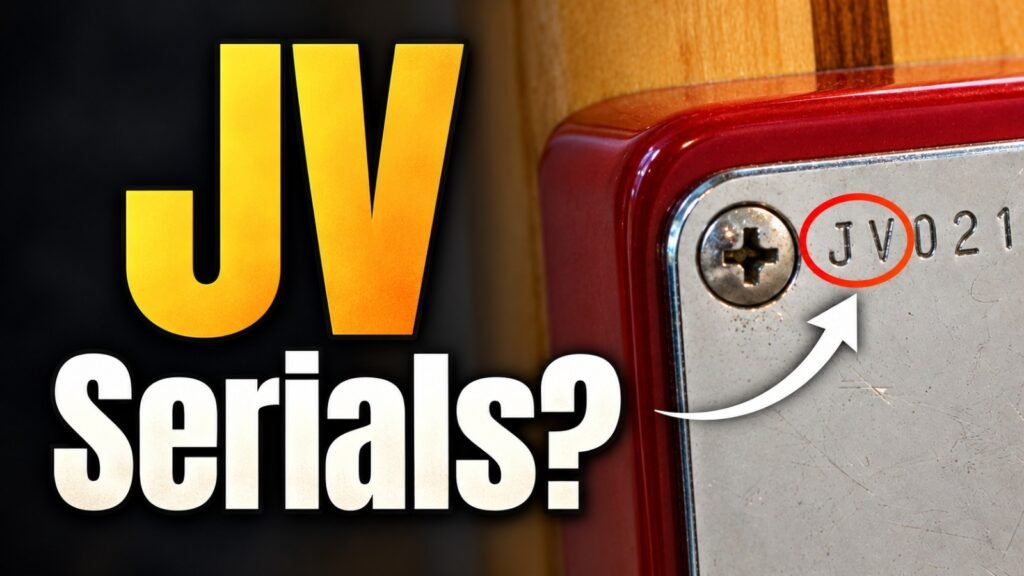
Fender Japan JV Serial: The Legendary 1982-1984 Guitars, Model Numbers and Grades
Fender Japan JV serial guitars are the first Fender-licensed instruments built in Japan, made mainly…
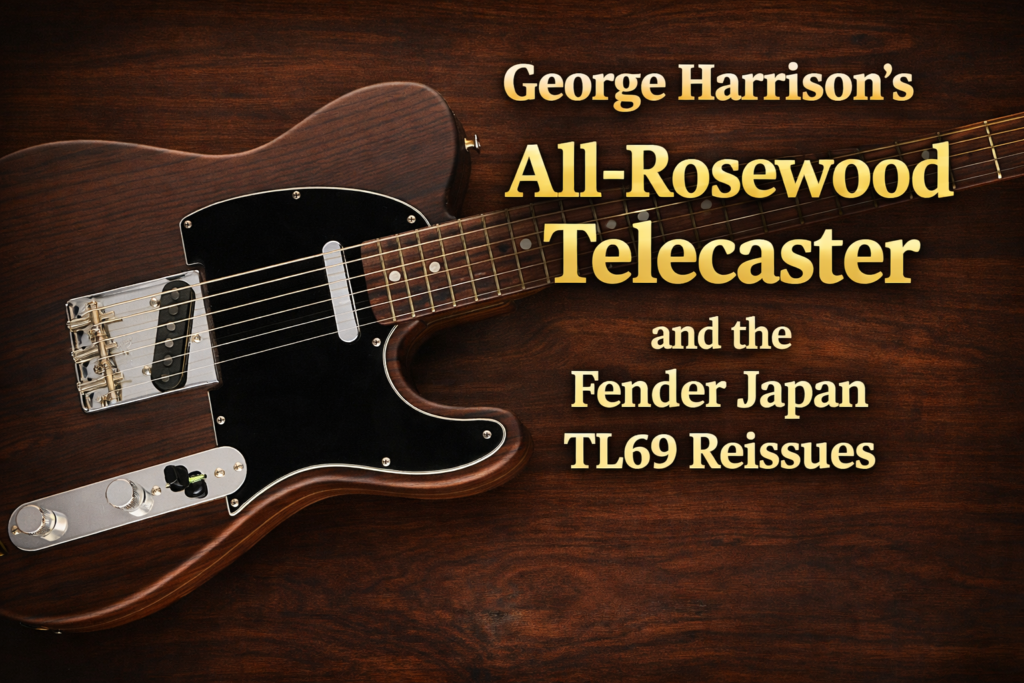
George Harrison’s All-Rosewood Telecaster and the Fender Japan TL69 Reissues
The George Harrison all rosewood Telecaster is one of the most visually distinctive guitars ever…

Fender Japan Guitars Used by 3 Legends
Overview & Key Points Fender Japan guitars are Japanese-made Fender instruments known for their consistent…