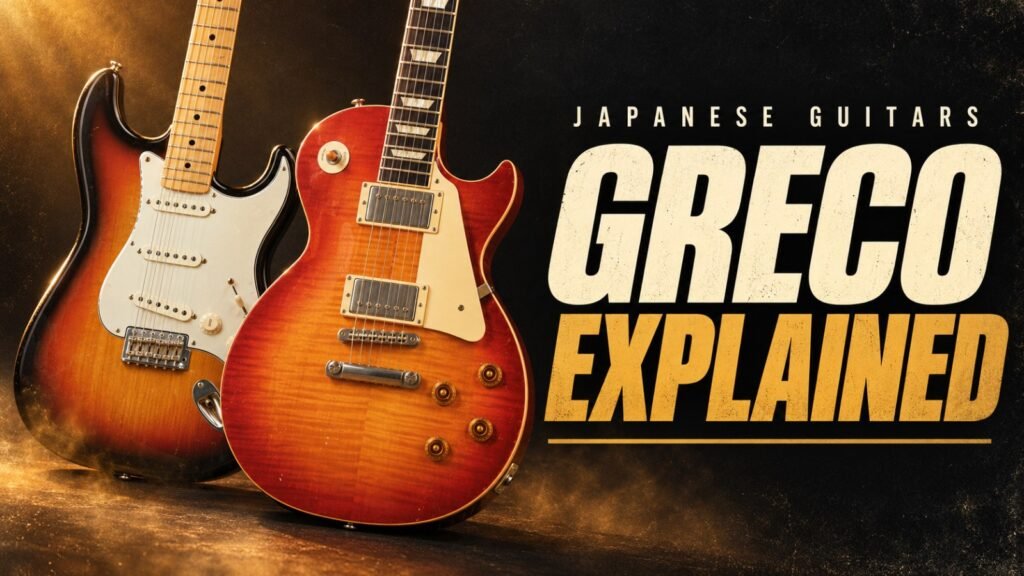
Greco guitars come from Kanda Shokai and have been built by FujiGen since 1968. It led Japan’s copy era, from the ¥36,000 EG-360 in 1971 to the Super Real Les Pauls of 1979–1982, and its makers went on to found Fender Japan in 1982.
This guide walks through Greco’s eras, its original designs and today’s lineup, and helps you decide which Greco to look for.
Greco Guitars Quick Facts
- Who: Kanda Shokai (trading company); built by FujiGen
- Famous for: Super Real Les Pauls (1979–1982) with Maxon DRY pickups
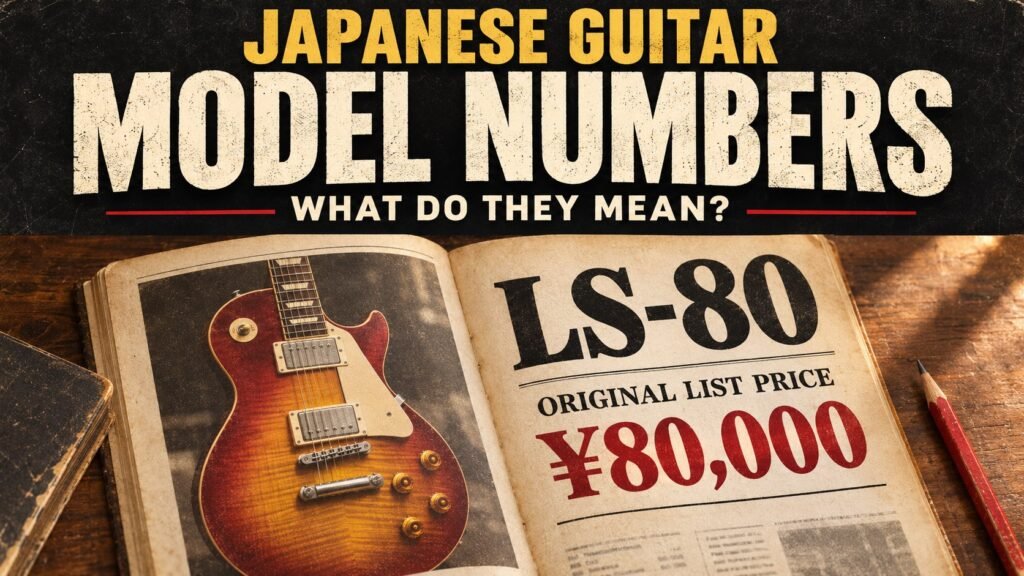
- Model numbers: list price in hundreds of yen (EGF1200 = ¥120,000)
- Originals: Mirage (the Iceman’s twin), GO, Boogie, MR
- Today: made-in-Japan GM, BGW, WS and archtops
Start here
- Greco History: from the EG-360 to Fender Japan, era by era
- Greco Super Real Series: the golden-era model list and pickups
- Tokai vs Greco vs Burny: how the Super Real compares
- Greco Original Models: Mirage, GO, Boogie and the guitars Greco designed itself
Greco History in Brief
Greco started in the 1960s selling acoustic and electric guitars, and from 1968 it was a Japanese brand: Kanda Shokai ran it and FujiGen built it. The 1971 EG-360 made it Japan’s top domestic electric brand, and custom orders, the Project Series and the Super Real line pushed its quality higher through the 1970s.
In 1982 Kanda Shokai and FujiGen partnered with Fender to found Fender Japan. Greco’s Fender-style copies and most of its originals were wound down, and the Mint Collection carried the Les Paul side through the 1980s.
| Era | Years | What to know |
|---|---|---|
| Early copies | 1968–mid 1970s | EG-360 (1971): a Les Paul outline with a hollow body and bolt-on neck |
| Order-Made and Project Series | 1972–late 1970s | Custom orders, the Narumo model, the BM-900; Project Series from 1976 |
| Originals | 1974–1984 | RW-700, MR, GO, Mirage and Boogie |
| Super Real | 1979–1982 | “Super Real Model” on the headstock; DRY pickups on top grades |
| Mint Collection | 1982–late 1980s | Super Real spirit with fewer copy details |
| Greco today | Current | Made-in-Japan GM, BGW, WS and archtops |
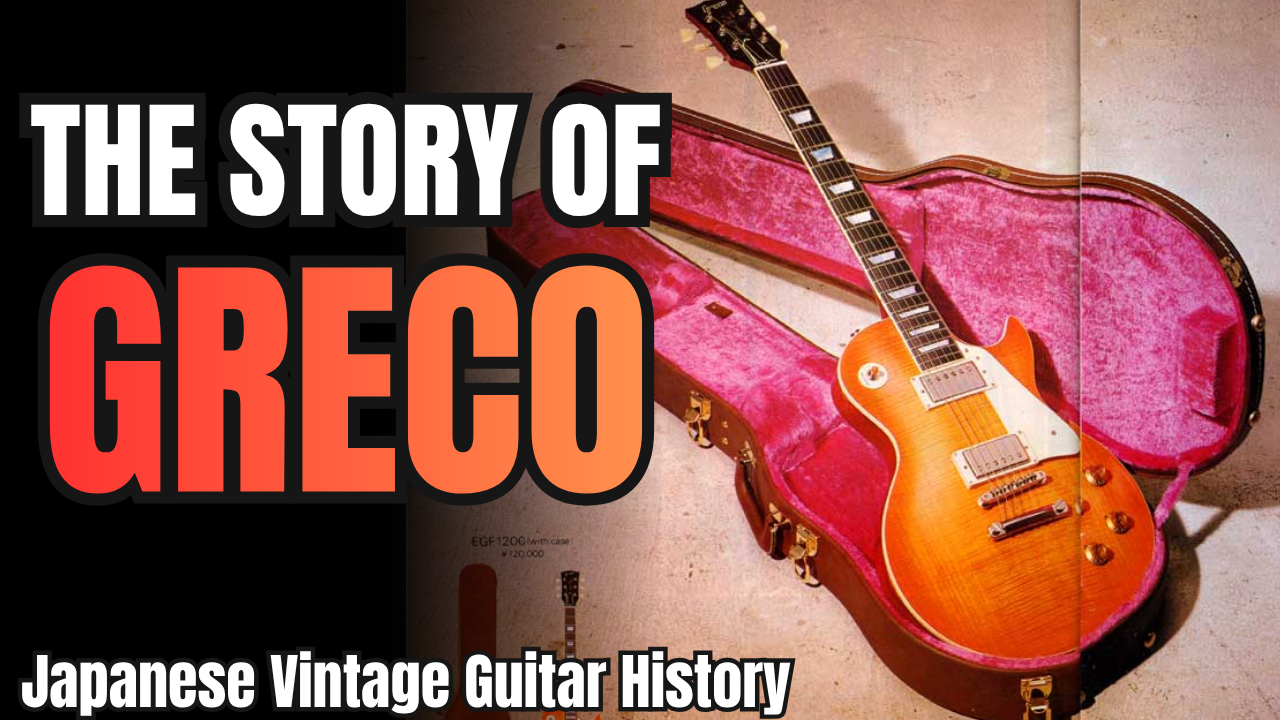
Prefer the full story?
Greco History: From the EG-360 to Fender Japan (1960s-1980s)
Every era, the Narumo model and the founding of Fender Japan.
What Makes Greco Different
The FujiGen Connection: The Factory Behind Fender Japan
Kanda Shokai is a trading company, so every vintage Greco came out of FujiGen. That is the same factory that built Fender Japan from 1982 and later Orville guitars under Gibson license.
So a golden-era Greco is a FujiGen guitar from the years when the factory was competing on accuracy.
A long-running rumor says early Fender Japan guitars were rebadged Greco SEs. People involved deny it: a Greco SE1200 logo was swapped once for show displays and catalog photos, but the guitars that shipped were built from scratch with Fender’s cooperation.
Custom Orders Before Custom Shops
Guitarist Shigeru Narumo asked Greco for a custom EG-360 with a solid carved body and a set neck. Greco turned it into the EG-800, the “Narumo model,” and then into an Order-Made System where customers picked a base and specified the details.
One of those orders became the BM-900 Brian May model. In 1976 the Project Series followed: Greco’s high-end line, effectively its custom shop.
Pickups Were Part of the Obsession
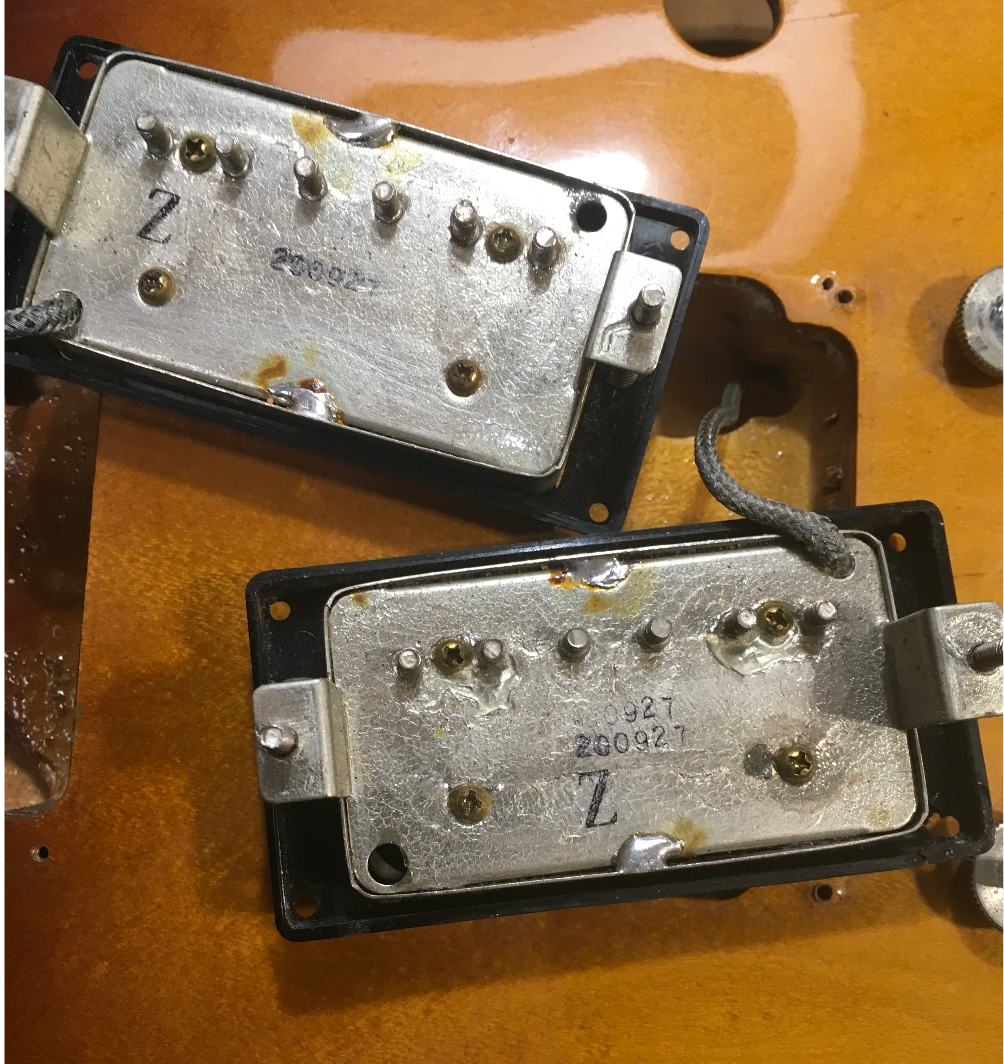
Greco worked with Maxon, the Japanese pickup maker then called Nisshin Onpa, from the U-1000 and U-4000 to the DRY humbucker of the Super Real era.
Greco’s catalog even describes mounting the bridge pickup’s treble side about 1 mm closer to the bridge to chase the 1960 sound. Neither Tokai’s nor Burny’s catalogs mention anything like it, and I think the DRY was the finest Japanese humbucker of its day.
Which Greco Should You Buy?
| You want… | Look for |
|---|---|
| The golden-era Japanese Les Paul | Super Real EGF1200, EG1000 or EGF1800 with DRY (1979–1982) |
| The Super Real look for less | EGF850, EG900 or a Mint Collection Les Paul |
| A 1970s high-end Greco | Project Series EG-1200 to EG-1500, SA-900, SE-1000/1200 |
| A Strat-style Greco | Super Real SE500 to SE800, or the Jeff Beck “J” models |
| A Brian May guitar with history | BM-900 |
| Something only Greco made | Mirage, GO, Boogie or MR |
| A new made-in-Japan guitar | GM, BGW, WS or the GES / GL archtops |
My pick
A Greco Super Real with DRY pickups
The pickups are the biggest real difference between the big three Japanese Les Paul copies, and a DRY-loaded Greco gives you a sound current DiMarzios can’t. If you want a Japanese Les Paul where the pickups were part of the obsession, start here.
The Greco Lineup
Super Real (1979–1982): Greco’s Golden-Era Les Paul
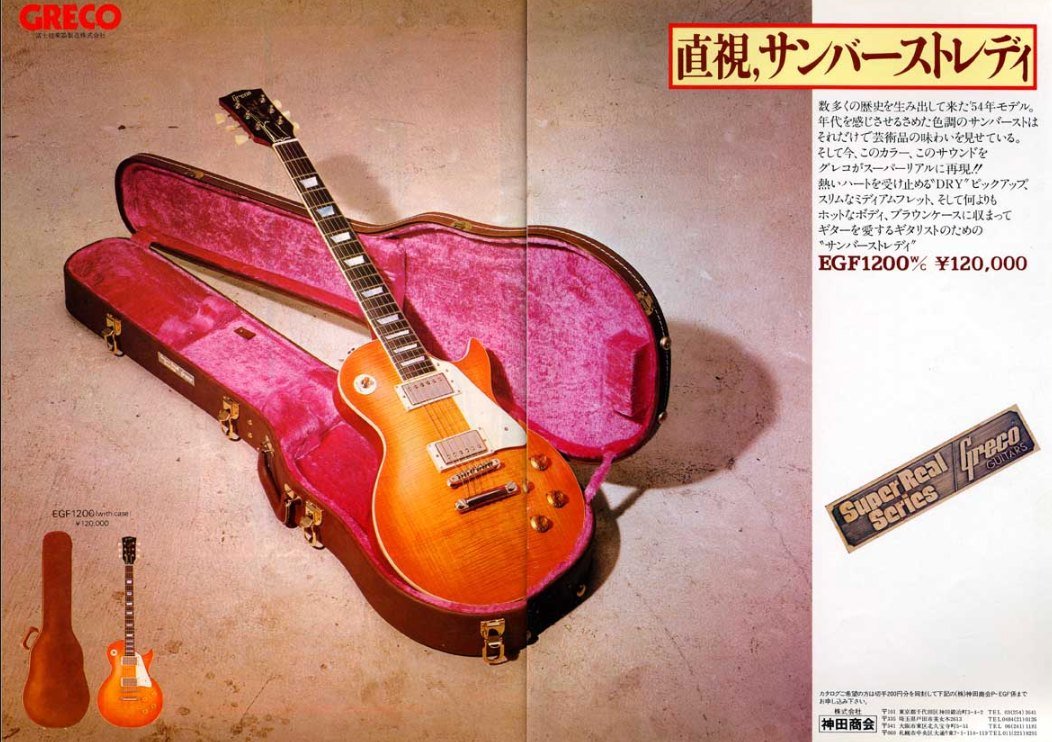
Tokai’s 1978 LS series rebuilt a 1958, so Greco scrapped its EG lineup and dismantled an original 1960 Les Paul instead.
It rebuilt everything from the headstock material to the pickup mounting angle. The result was the Super Real series, with “Super Real Model” on the headstock.
The Strat side got the same treatment in the Super Real SE line, from the SE380 to the SE800. The SE800J and SE600J were Jeff Beck models with phase and humbucker-like tones.
Decision line: for a Les Paul, aim for a DRY-loaded EGF or EG1000; for a Strat, the SE600 and up.
Deep dive
Greco Super Real Series: The Peak Years (1979-82)
Full model list, pickups and what each grade offers.
Project Series (from 1976): Greco’s Custom Shop Before Custom Shops
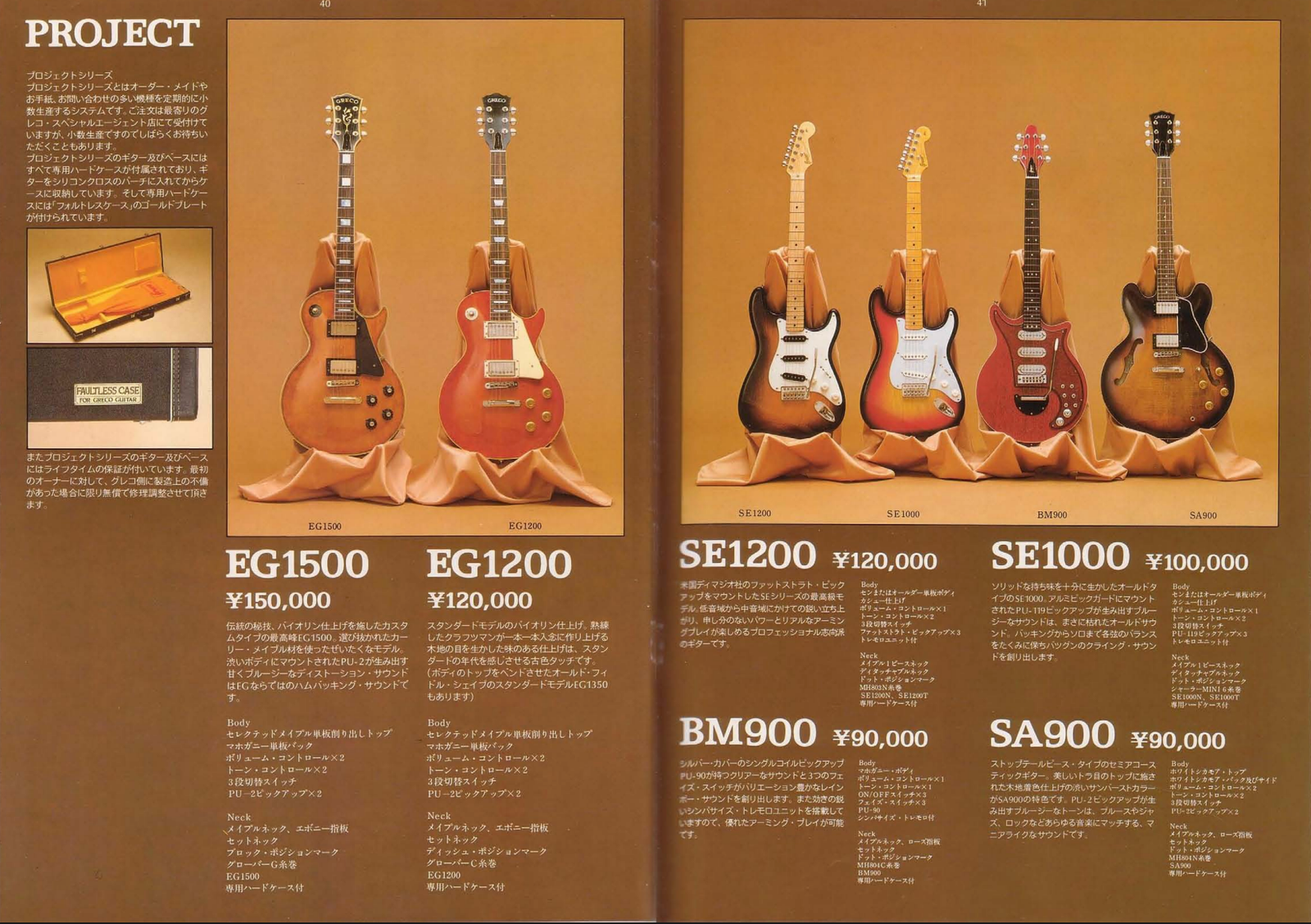
The Project Series was Greco’s high-end line, built to stand on the Greco name rather than as a cheap copy. Prices ran from ¥90,000 for the SA-900 to ¥150,000 for the EG-1500.
The pickups were part of the appeal: Maxon humbuckers up to the rare U-4000, Maxon PU-119 single coils, and a DiMarzio FS-1 in the top SE-1200.
Decision line: choose a Project Series guitar for 1970s Greco character and rarity; choose a Super Real for vintage accuracy.
Deep dive
Greco History: From the EG-360 to Fender Japan (1960s-1980s)
The Project Series, its pickups and where it fits.
BM-900: The First Brian May Red Special Copy
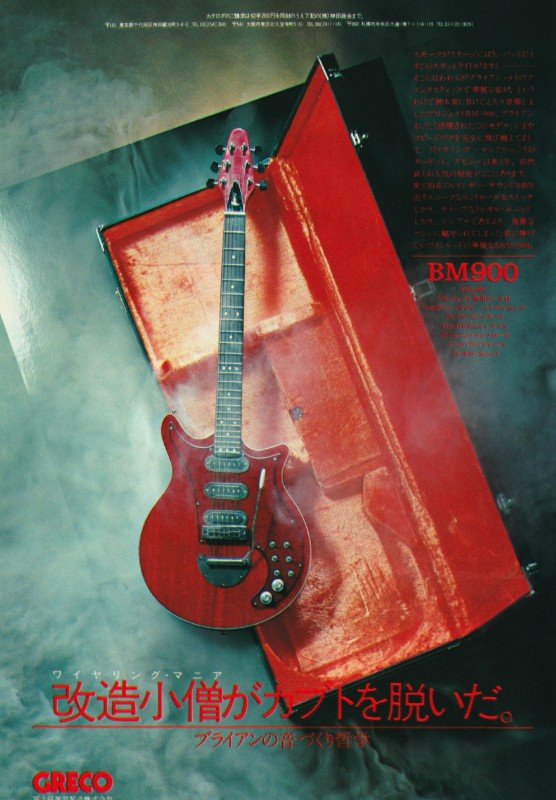
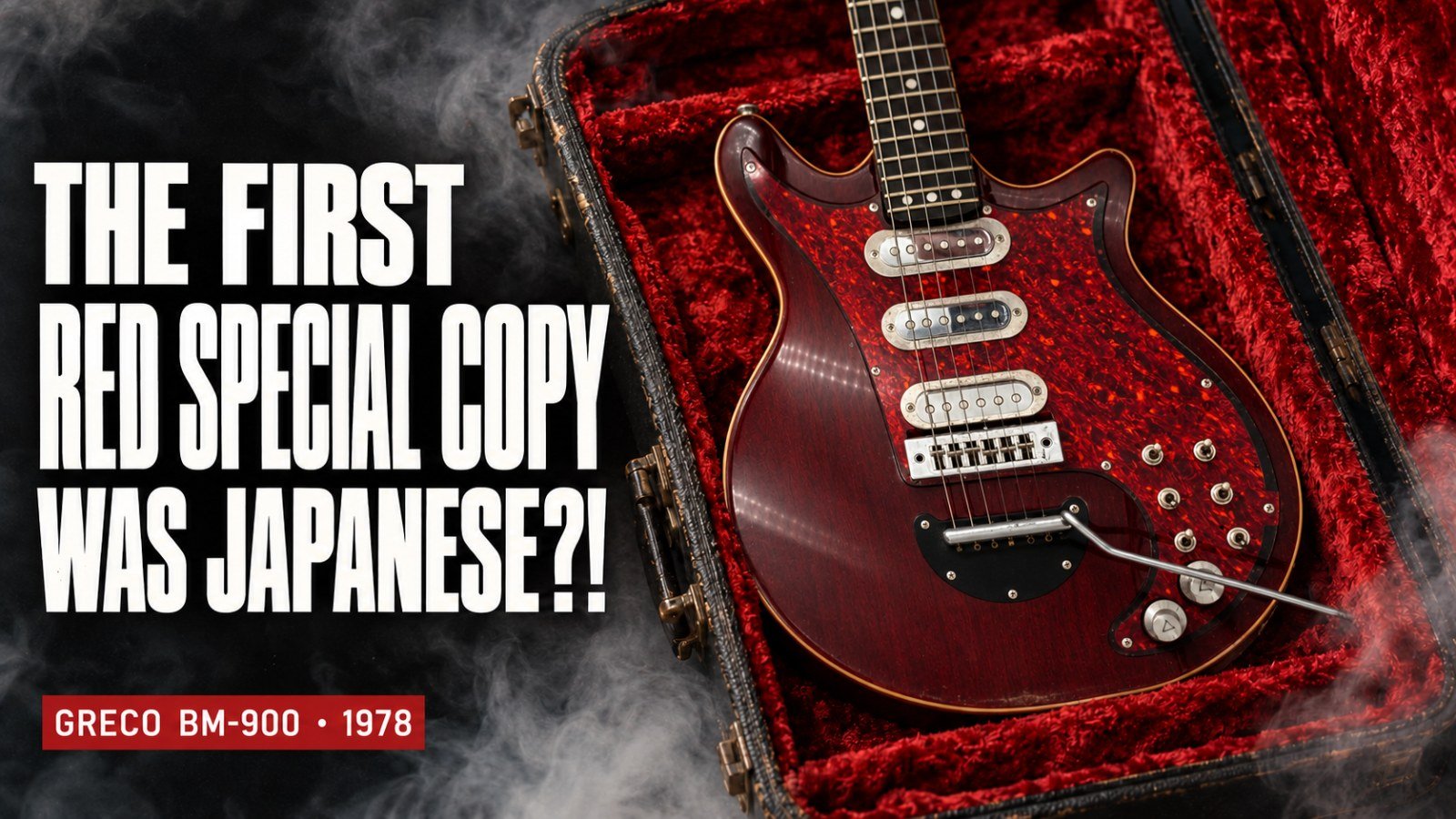
The BM-900 grew out of one customer’s order for a Red Special copy. It looks the part but differs underneath, from the body construction to the pickups and switching.
Brian May himself used one: you can see it in the music video for Queen’s “Good Old-Fashioned Lover Boy.”
Deep dive
Greco BM-900: The Remarkable First Brian May Red Special Copy and How It Differs
Spec-by-spec comparison with the Red Special and buying checks.
Originals: Mirage, GO, Boogie and MR
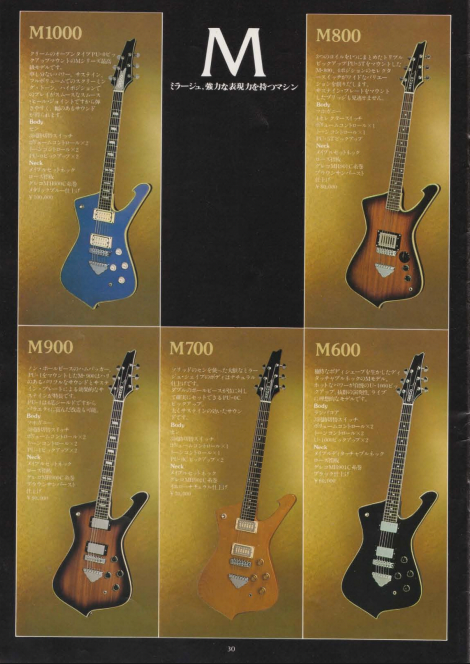
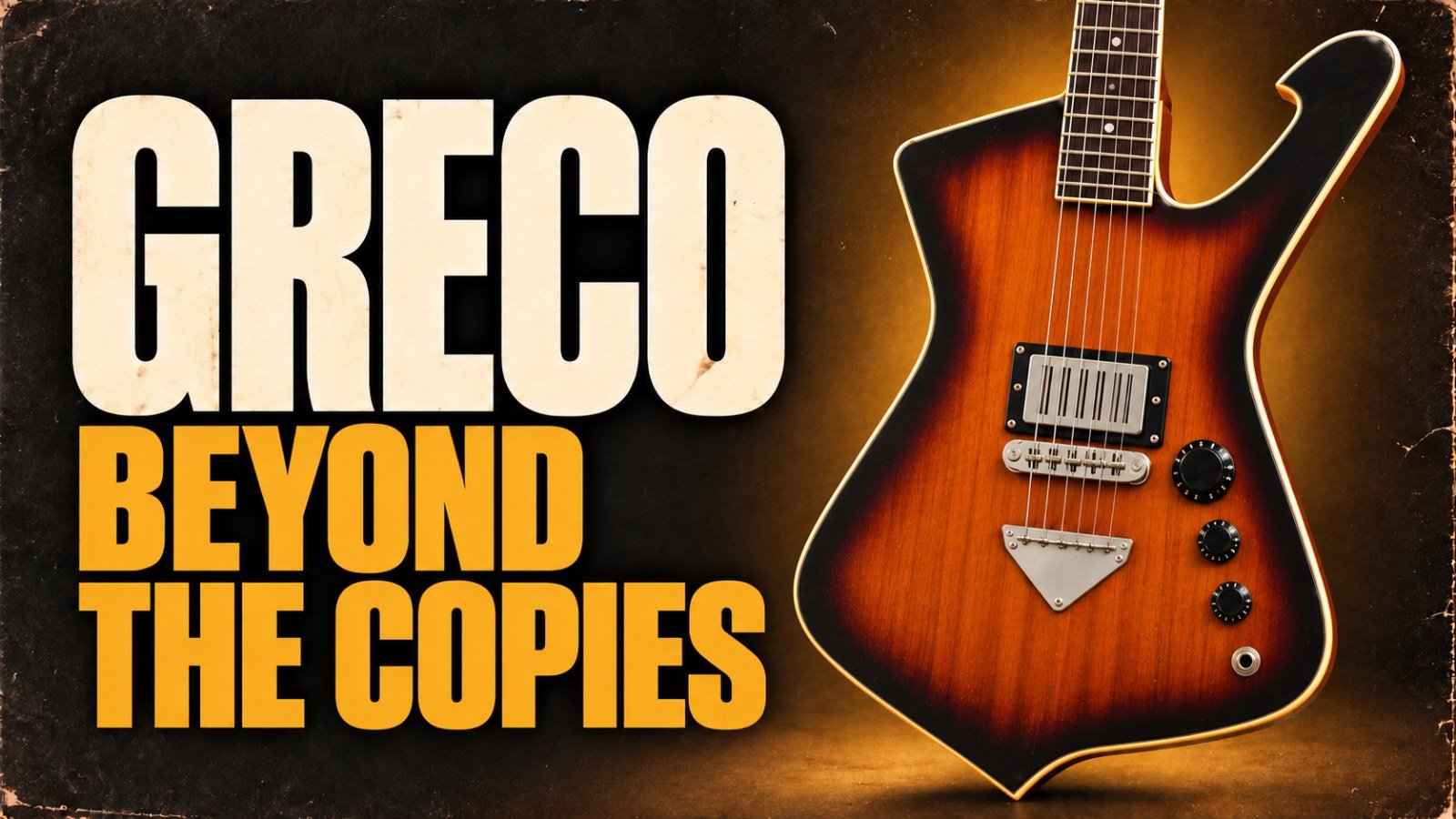
Greco also designed its own guitars: the Ron Wood RW-700, the Mick Ralphs MR series, the neck-through GO with active circuitry, the Boogie built for the fusion boom, and the Mirage, sold overseas as the Ibanez Iceman.
Decision line: the Mirage is the one most players know; the GO and Boogie are for players who want something no other brand made.
Deep dive
Greco Original Models: 6 Bold Guitars Beyond the Copies (Mirage, GO, Boogie)
Every original, with catalog prices and modern successors.
Mint Collection (from 1982): Super Real Spirit, Fewer Copy Details
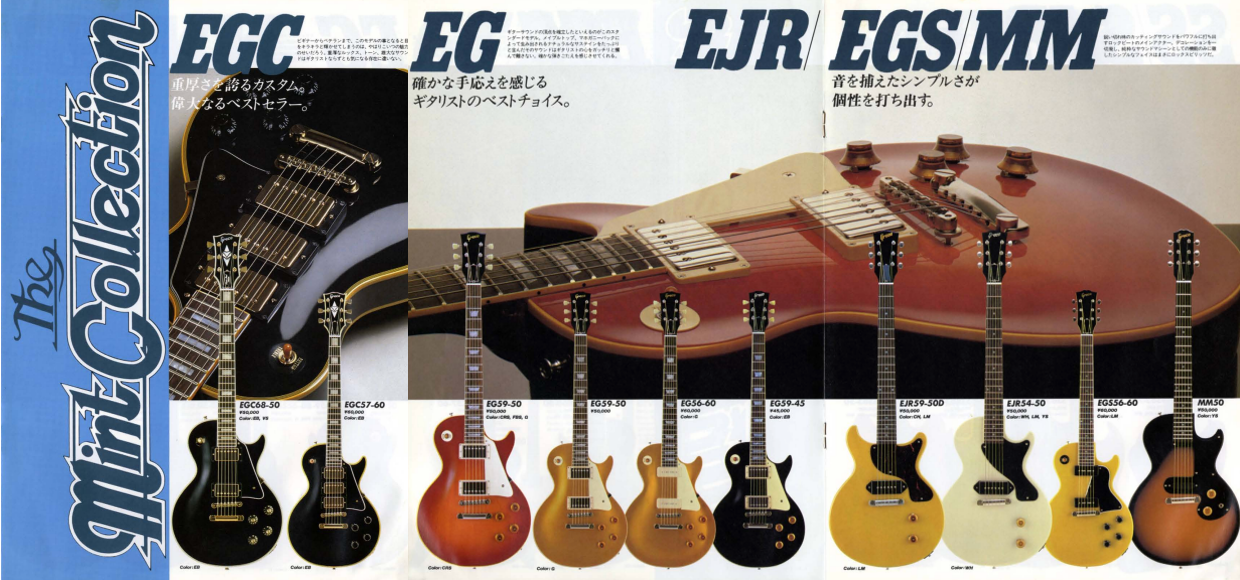
The Mint Collection carried the Super Real idea through the 1980s, centered on Gibson-style models. Under pressure from Gibson, details changed: a new truss-rod cover, no “Super Real” on the headstock, and on some models no fret-edge binding or nitro finish.
Decision line: a Mint Collection Les Paul is a cheaper way into 1980s FujiGen Greco, but check the finish and binding model by model.
Greco Today: The Current Made-in-Japan Lineup
Today’s Greco puts its own character first rather than coasting on nostalgia. The lineup mixes historical models updated to modern specs, easy-playing guitars and archtops, all made in Japan with comfortable necks, light bodies and dependable parts.
GM Series: The Mirage, Updated
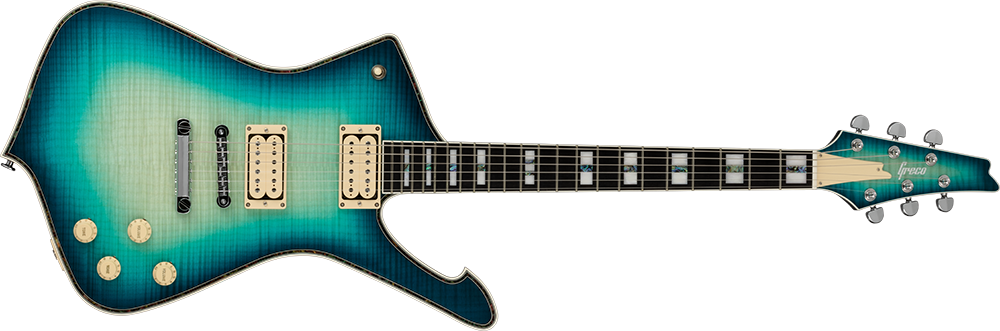
The GM-STD and GM-CST bring the classic Mirage up to modern spec: a mahogany body and neck, rosewood fingerboard and a pair of Alnico 5 humbuckers with two volumes and two tones.
The GM-CST adds multi-ply binding, gold parts and a figured top. The thin arched-top body (about 40mm at the center) looks deep but stays light, and the hardware is GOTOH, Switchcraft and CTS.
Decision line: the GM-STD if you want the shape and the sound; the GM-CST if you want the dressed-up look.
BGW Series: The Boogie, Updated
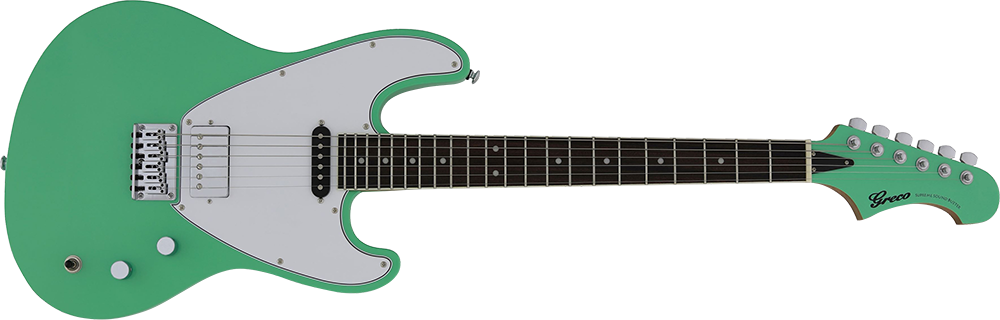
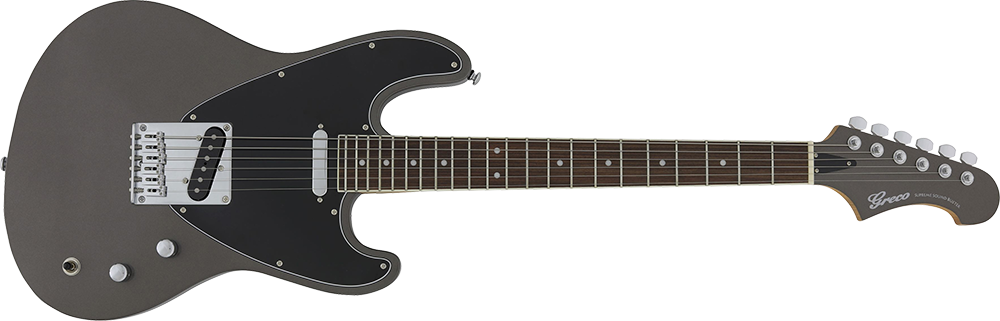
The BGW series updates the Boogie with an alder body, roasted maple neck and pau ferro fingerboard on a bolt-on joint, plus locking tuners.
The BGW22 SH runs a bridge humbucker with a push-pull coil split, while the BGWT22 goes the Telecaster route with two single coils.
Decision line: the BGW22 SH for range from one guitar; the BGWT22 for a Tele-style twang in Greco’s own shape.
WS Series: Easy Playing for Smaller Hands
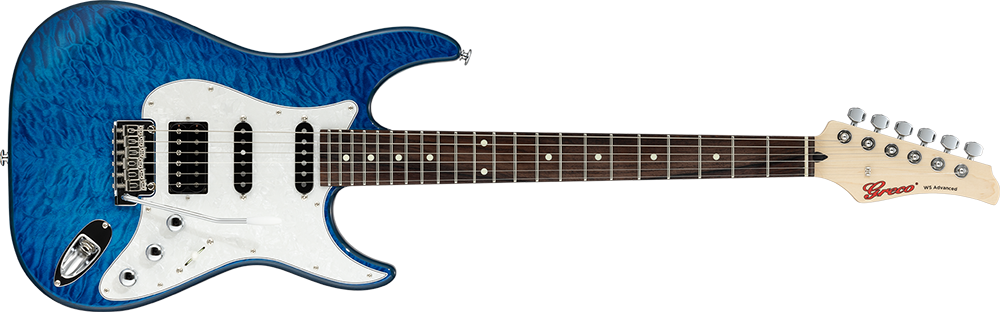
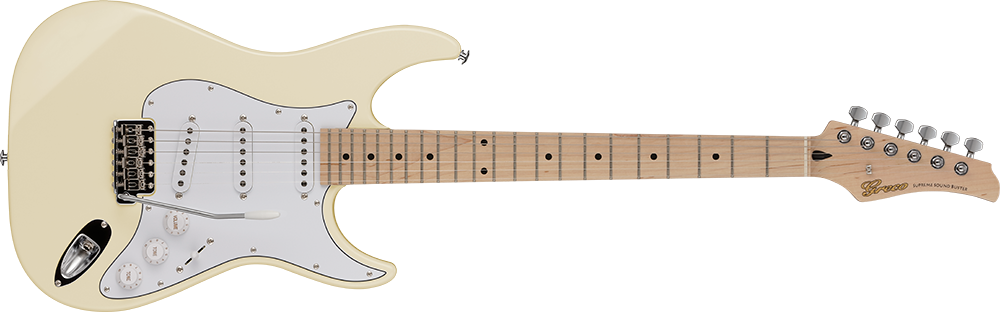
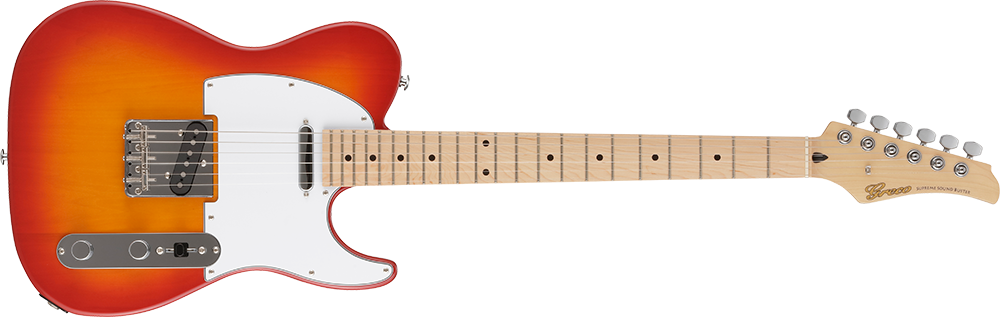
The WS series centers on easy playing, with a slim 40mm nut width that suits smaller hands or thumb-over players. The WS-STD is the Stratocaster type with a Fender scale and three single coils; the WST-STD is the Telecaster type.
The step-up WS-ADV upgrades the wood and parts: a Switchcraft jack, CTS pots, Japanese-made components and a 2-point tremolo. Decision line: start with the WS-STD or WST-STD; move to the WS-ADV for the better parts.
GES-AT and GL-AT: Archtops with an Old American Flavor
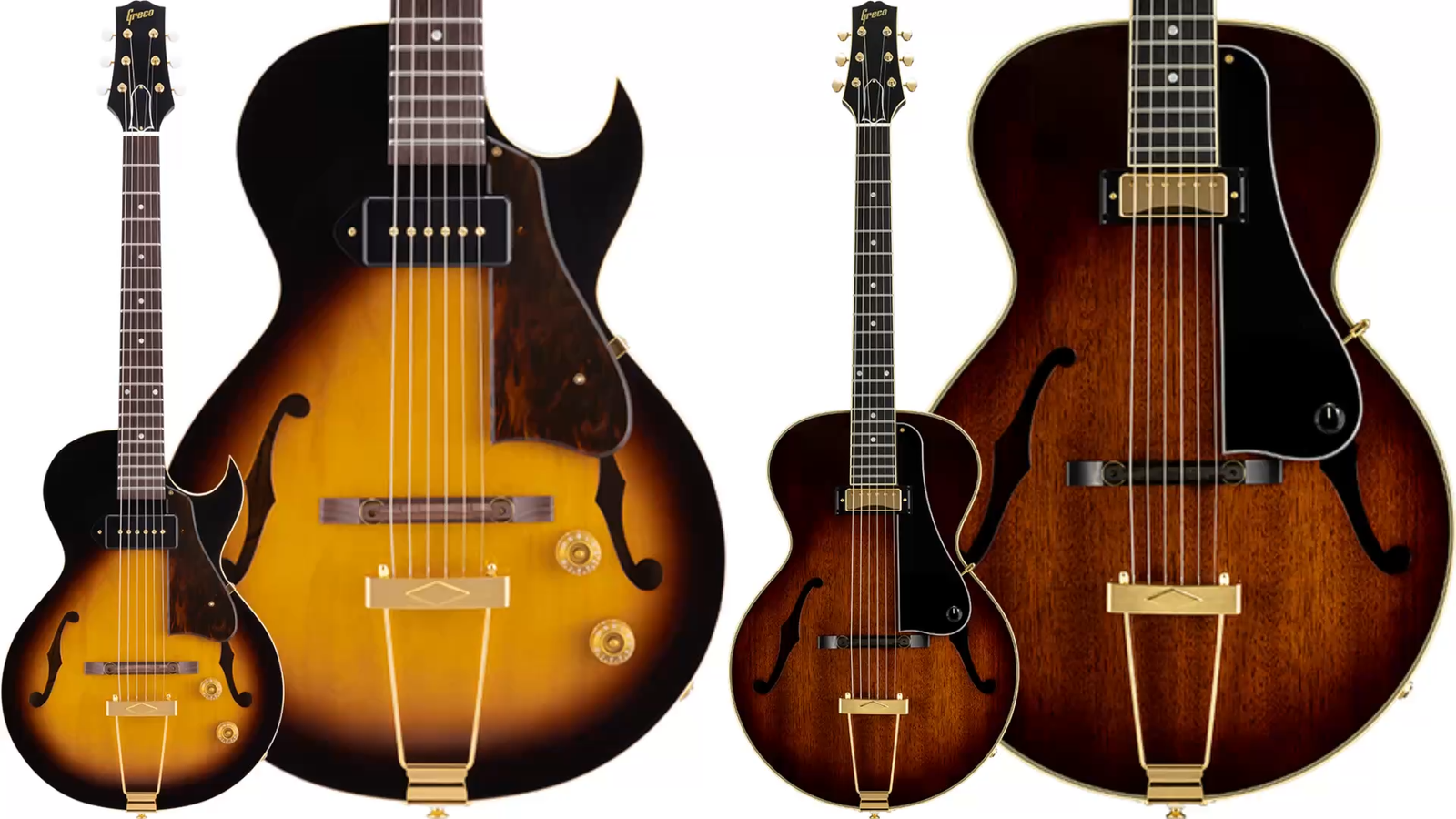
Greco’s archtops are full-hollow guitars with an old American flavor.
The GES-AT looks back to the 1950s with a thin hollow maple body and a single dog-ear pickup. The GL-AT reaches back to the 1920s with a small but deep all-mahogany body and a single mini-humbucker.
Decision line: the GES-AT for a thinner, brighter 1950s feel; the GL-AT for a compact, warm 1920s-style box.
Notable Players
| Player | Greco connection |
|---|---|
| Shigeru Narumo | Japanese guitarist whose custom EG-360 became the EG-800 “Narumo model” |
| Ron Wood | Rolling Stones and Faces guitarist; RW-700 signature model (1974–1975) |
| Mick Ralphs | Bad Company guitarist; his order led to the MR series (1975) |
| Brian May | Queen guitarist; used a BM-900 in the “Good Old-Fashioned Lover Boy” video |
Buying a Used Greco
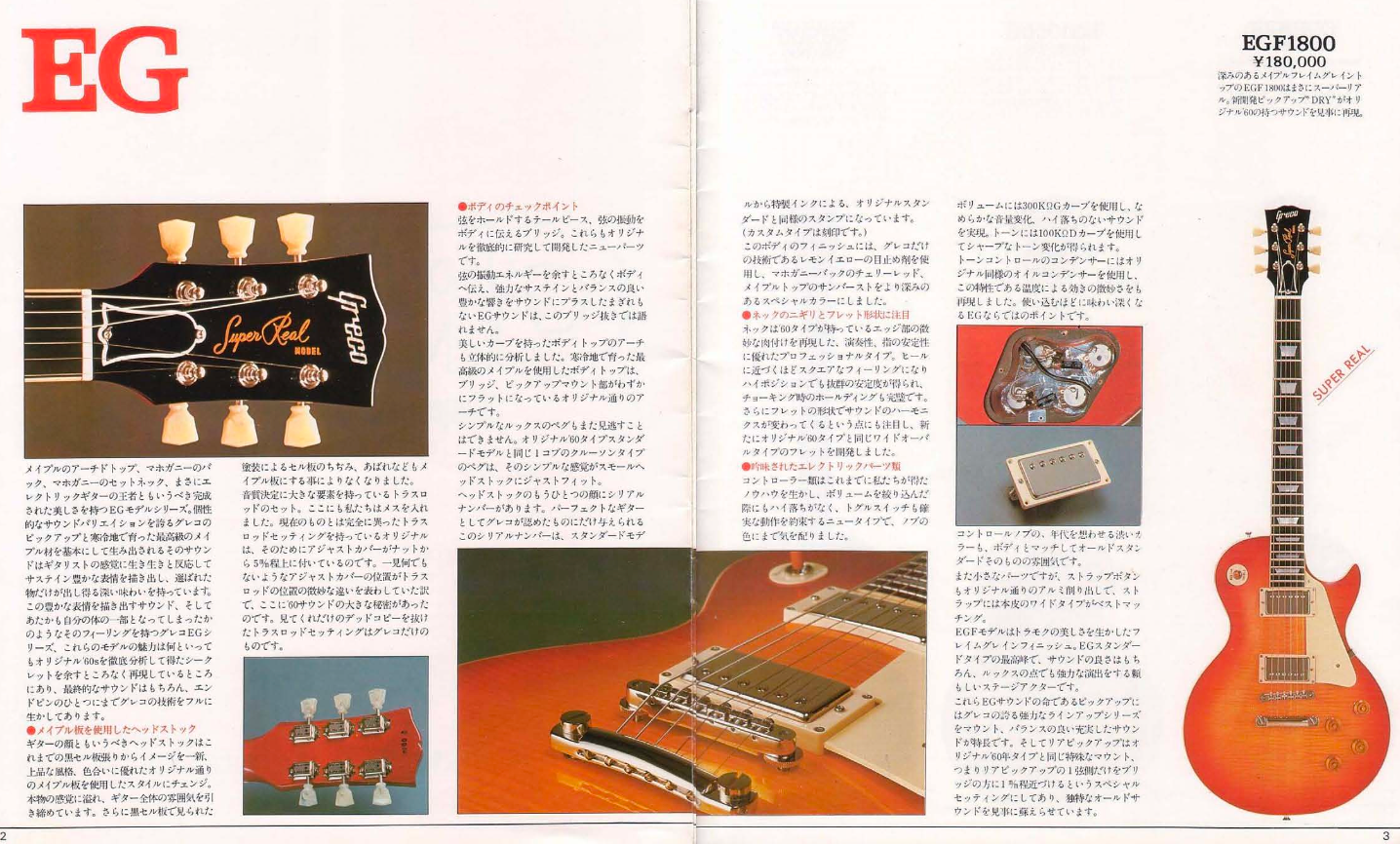
- Read the model number: on vintage Grecos it is the list price in hundreds of yen, so it tells you where the guitar sat in the catalog.
- Check the headstock: “Super Real Model” means 1979–1982. Mint Collection models dropped it and changed the truss-rod cover.
- Check the pickups: DRY, DiMarzio PAF or Screamin’ should match the model. Original DRYs matter most to collectors.
- Check the finish and binding: lacquer and fret-edge binding point to Super Real; some Mint Collection models have neither.
- Know the twins: a Mirage and an Iceman came from the same project, so confirm the headstock logo matches the listing.
Related Brands and Factories
Final Thoughts
Greco went from a cheap Les Paul outline to custom orders, a custom-shop line and the Super Real, then helped found Fender Japan. If you want one vintage Greco, make it a DRY-loaded Super Real. If you want something only Greco made, look at the Mirage, GO and Boogie, or their modern GM and BGW successors.
FAQ
Who made Greco guitars?
Greco is a brand of Kanda Shokai, a Japanese trading company. Since 1968 the guitars have been built by FujiGen, the factory that later built Fender Japan and Orville guitars.
What is the Greco Super Real series?
Greco’s golden-era vintage recreations, made from 1979 to 1982. Greco took apart an original 1960 Les Paul and rebuilt it, and the top models carry Maxon DRY pickups.
What do Greco model numbers mean?
On vintage Grecos the number is the catalog price in hundreds of yen. An EGF1200 cost ¥120,000 and an EG360 cost ¥36,000.
Which Greco Les Paul is the best?
For most collectors it is a 1979–1982 Super Real with DRY pickups, such as the EGF1200 or the flagship EGF1800.
Is the Greco Mirage the same as the Ibanez Iceman?
They come from the same project. FujiGen built it; Kanda Shokai sold it in Japan as the Greco Mirage and Hoshino Gakki sold it overseas as the Ibanez Iceman.
Are Greco guitars still made?
Yes. Today’s Greco lineup is made in Japan and includes the GM (a modern Mirage), the BGW (a modern Boogie), the WS series and the GES and GL archtops.
All Greco Articles
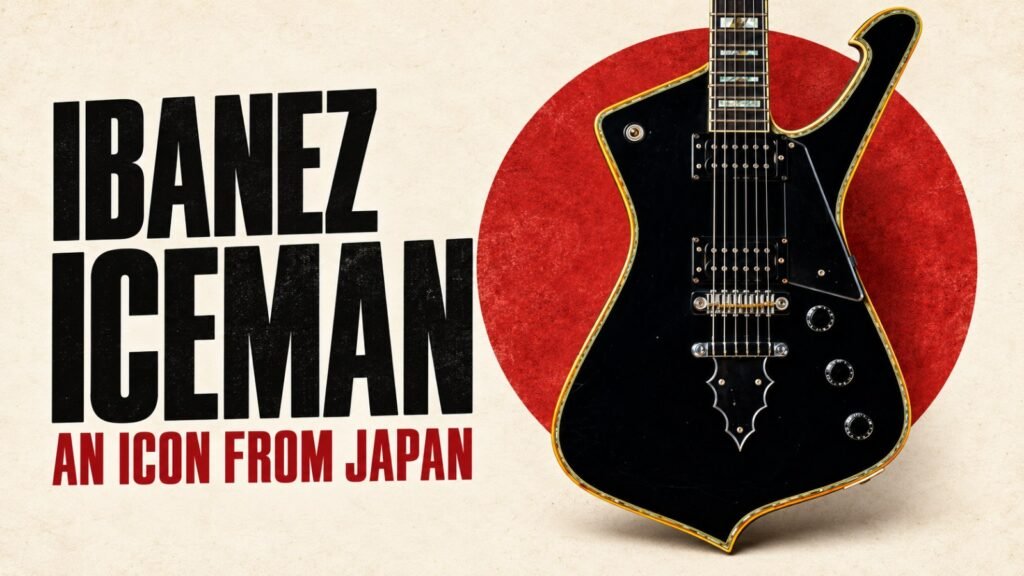
Ibanez Iceman and Greco Mirage: The Surprising Japanese Twins Born at FujiGen (1975-1978)
The Ibanez Iceman is one of Japan’s boldest guitar designs, and around the same time…
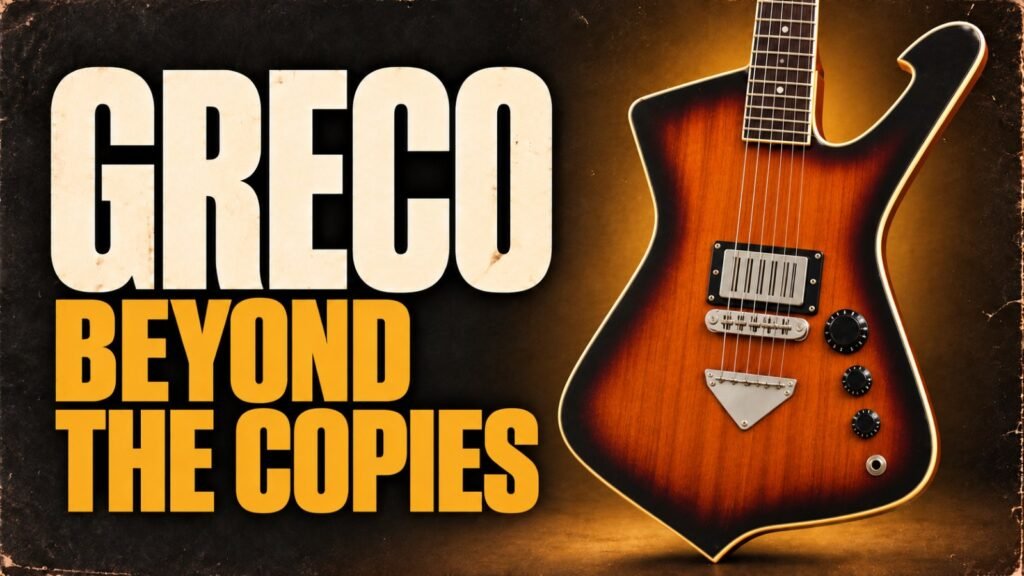
Greco Original Models: 6 Bold Guitars Beyond the Copies (Mirage, GO, Boogie)
Greco original models are the guitars Greco designed itself while it was famous for copying…
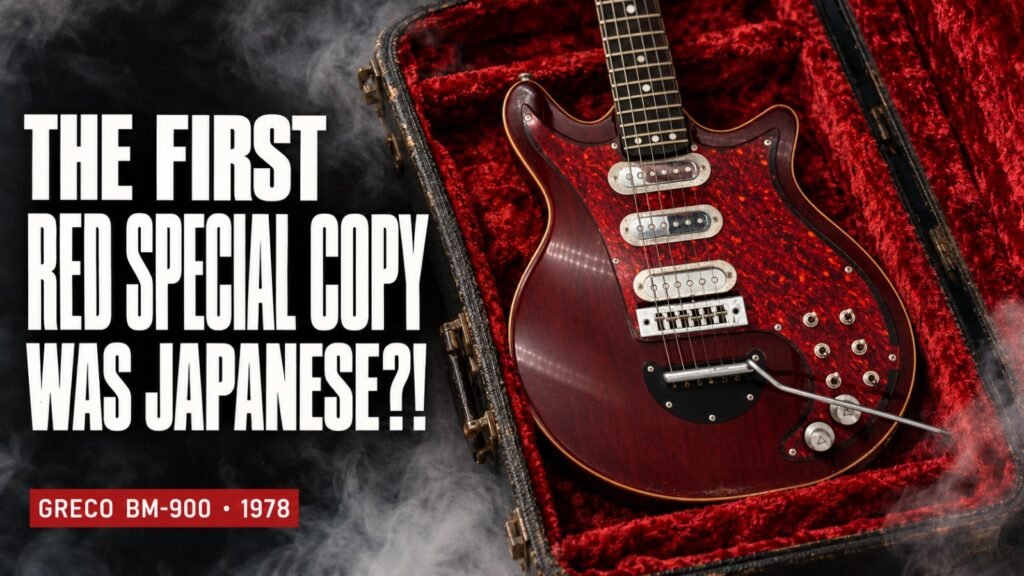
Greco BM-900: The Remarkable First Brian May Red Special Copy and How It Differs
The Greco BM-900 (also written BM900) is often considered the very first Brian May copy…
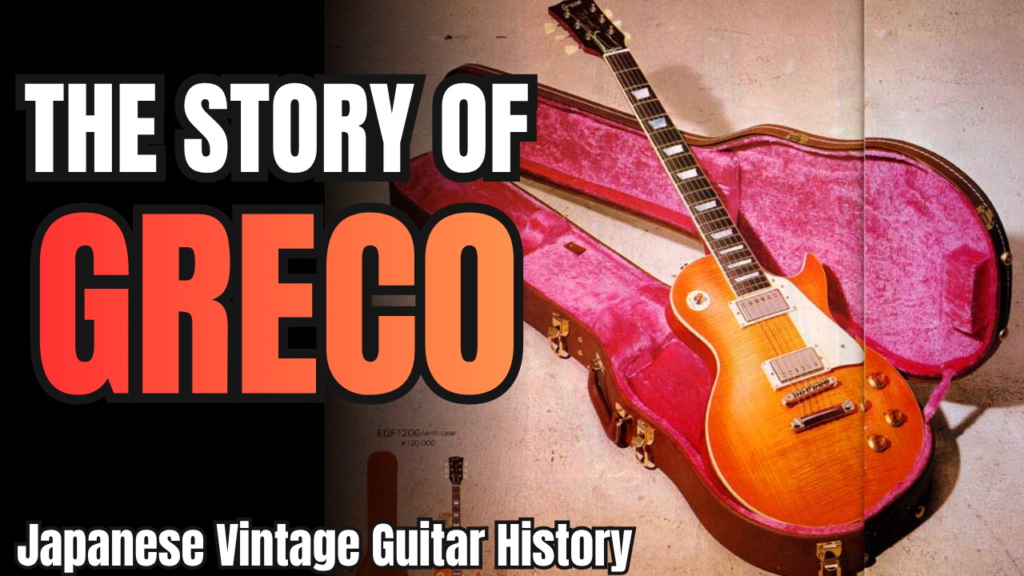
Greco History: From the EG-360 to Fender Japan (1960s-1980s)
Greco history runs from a 1960s guitar brand to the Japanese copy era’s biggest name,…
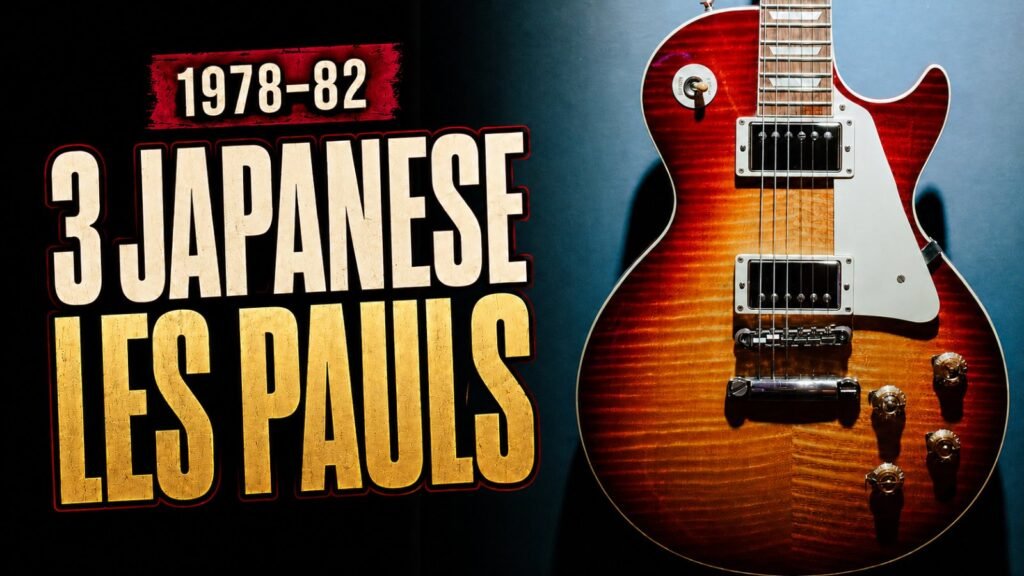
Japanese Les Paul Copies: Tokai vs Greco vs Burny (1978-1982)
Japanese Les Paul copies from the late 1970s are some of the most faithful Les…
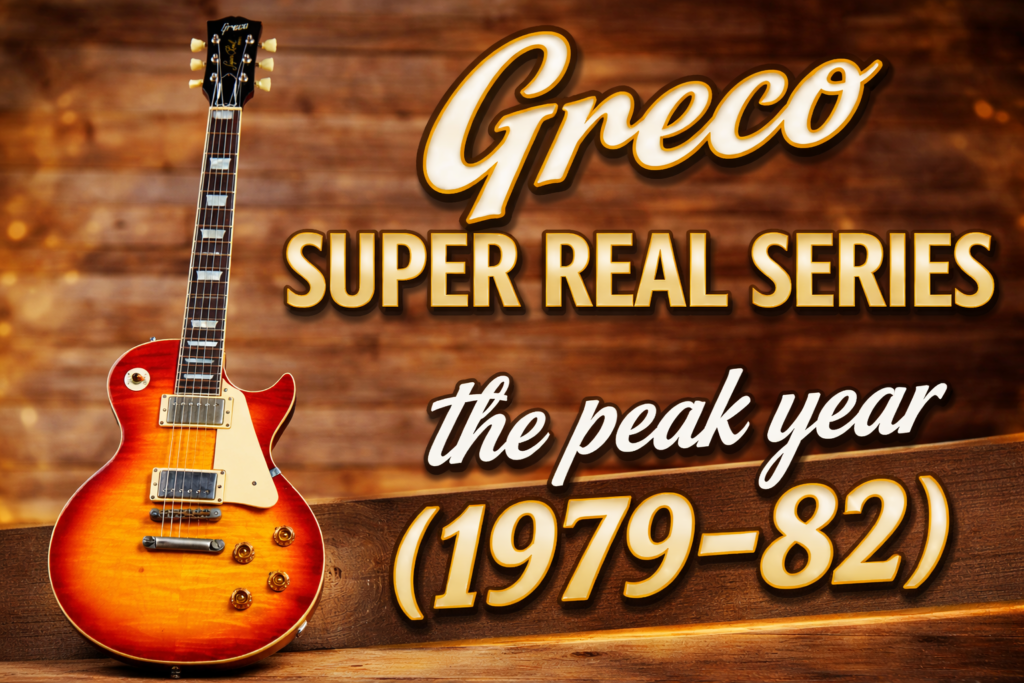
Greco Super Real Series: The Peak Years
The Greco Super Real is one of the most respected Japanese Les Paul copies of…