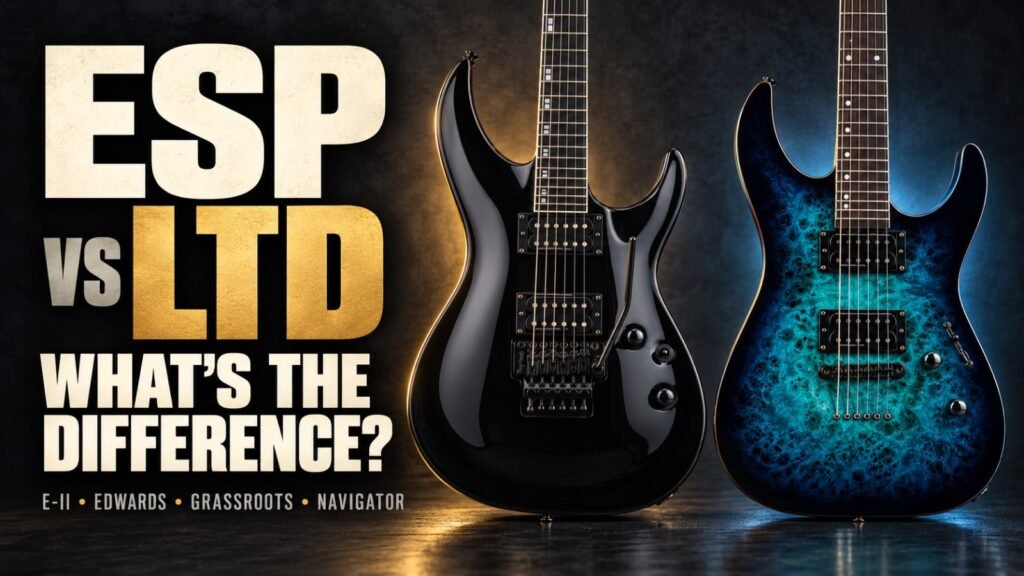
ESP vs LTD is the first question most people ask when they start shopping for an ESP. The short answer: ESP is the Japan-made, handbuilt top line, and LTD is the global, factory-built line that puts ESP shapes and signature models within reach. But the family is bigger than two names. This guide explains ESP, E-II, LTD, Edwards, GrassRoots and the now-ended Navigator, and which one fits you. For the brand as a whole, start with our ESP Brand Guide.
ESP vs LTD Quick Facts
- ESP: Top line, handmade in Tokyo (Original Series and Custom Shop)
- E-II: Made in Japan at an ESP-owned factory; the new name for the former ESP Standard Series
- LTD: Proposed in 1995, on sale from 1996, built at factories outside Japan
- Edwards: Made in Asia, sold mainly in Japan one step below ESP
- GrassRoots: The most affordable entry line
- Navigator: Vintage-style line launched in 1976; production ended July 31, 2025
- ESP vs LTD: The Short Answer
- The ESP Brand Family at a Glance
- ESP: Handmade in Tokyo
- E-II: The Former ESP Standard Under a New Name
- LTD: ESP Shapes for the World (Since 1996)
- Edwards and GrassRoots: The Japan-Market Lines
- Navigator: The Vintage Line That Ended in 2025
- Same Guitar, Three Tiers: The Alexi Ripped Example
- ESP vs LTD: Which Should You Buy?
- Final Thoughts
- FAQ
- More ESP guitar articles
ESP vs LTD: The Short Answer
If you only remember one thing: where it is built is the real difference. ESP and E-II are made in Japan. LTD and Edwards are made in Asian factories outside Japan, which is how they reach a much lower price.
| Brand | Made in | Price level | Best for |
|---|---|---|---|
| ESP | Japan (Tokyo, by hand) | Highest | Players who want the original, or a custom build |
| E-II | Japan (ESP-owned factory) | High | Japan-made quality without Custom Shop pricing |
| LTD | Outside Japan (Asian factories) | Low to mid | First ESP, signature shapes on a budget |
| Edwards | Asia (sold mainly in Japan) | Mid | Japanese buyers, J-rock artist models |
| GrassRoots | Japan market | Lowest | Beginners |
| Navigator | Japan | High (used market now) | Vintage-style Fender and Gibson fans |
The ESP Brand Family at a Glance
It helps to picture two ladders. Outside Japan, most shops carry three steps. Inside Japan, ESP’s home market adds two more.
The global ladder
LTD
Asian factories, widest choice
E-II
Made in Japan, pro level
ESP
Handmade in Tokyo
The Japan-market ladder
GrassRoots
Entry level
Edwards
Mid range, artist models
E-II
Made in Japan, pro level
ESP
Handmade in Tokyo
ESP: Handmade in Tokyo
The ESP name itself sits at the top. ESP’s own US site describes the ESP Original Series as built by hand in the ESP Custom Shop in Tokyo. These are the models with the full feature set: neck-through construction on many shapes, premium woods, Gotoh locking hardware and Seymour Duncan or EMG pickups.
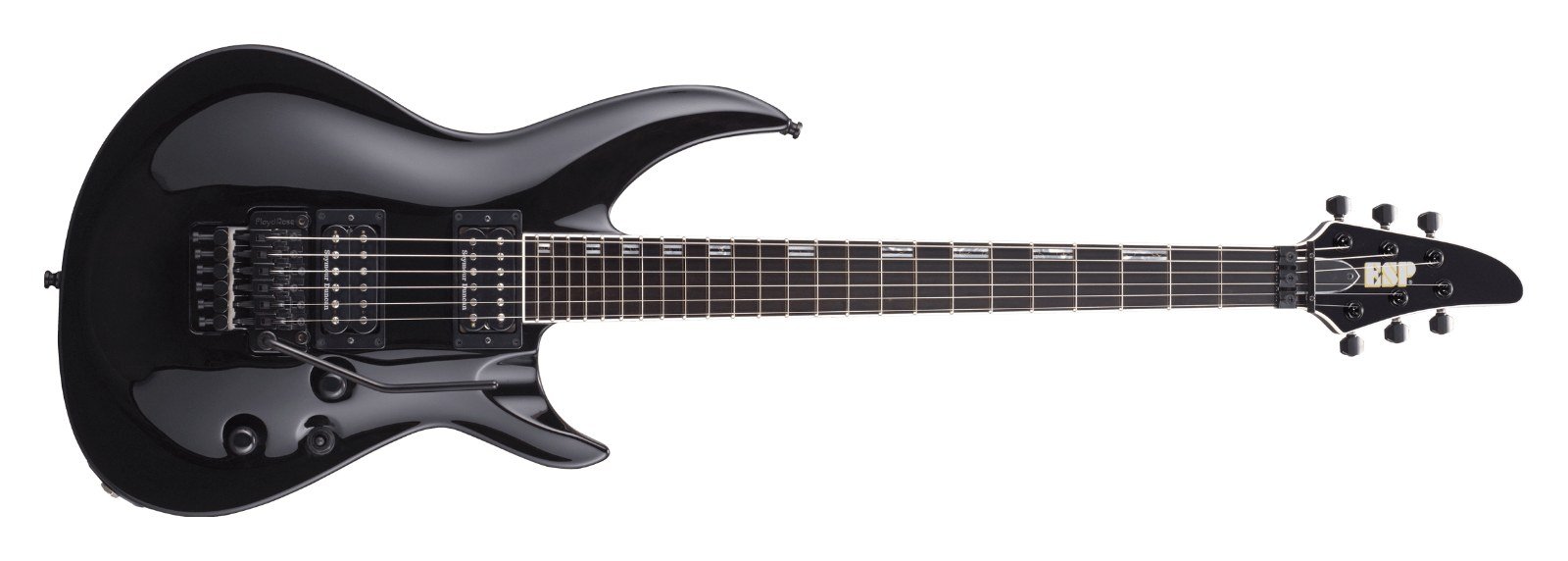
This is also where ESP’s custom-order roots live. ESP started in 1975 as a Tokyo shop for repairs and custom work, and that build-it-for-the-player attitude still defines the top line. The full story is in our ESP history article.
E-II: The Former ESP Standard Under a New Name
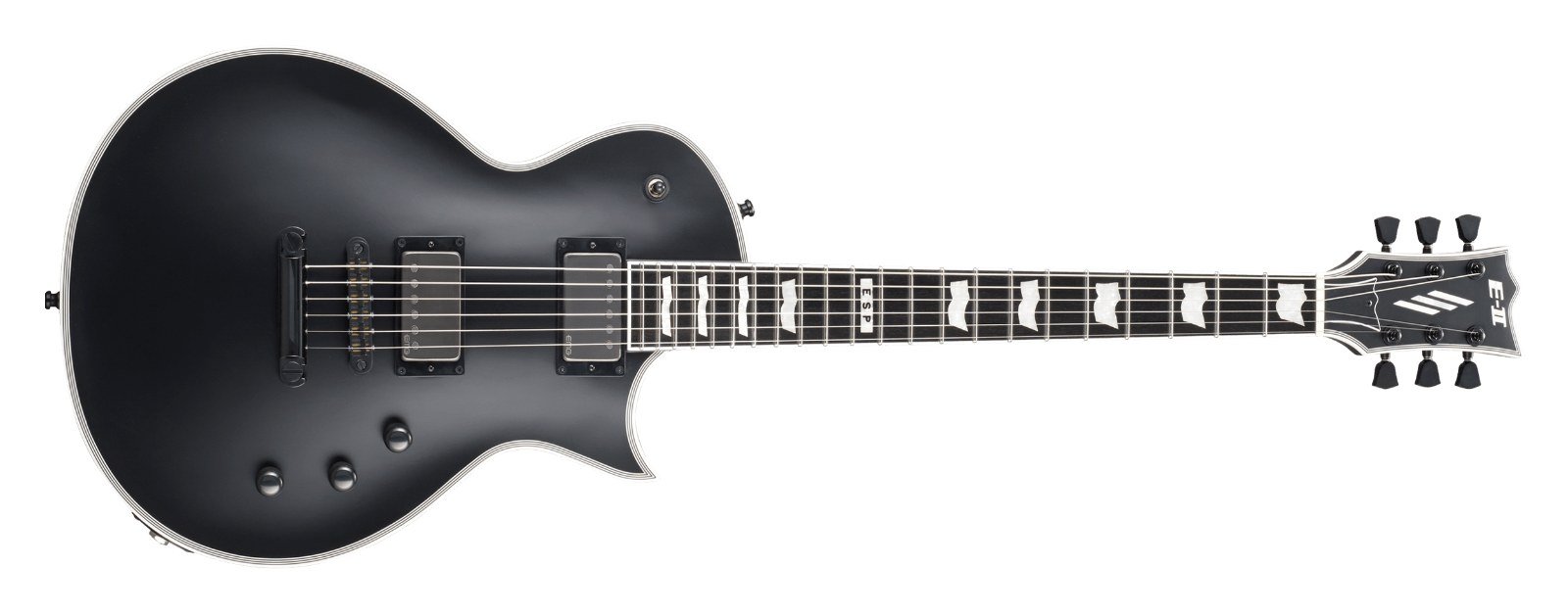
E-II confuses a lot of buyers, so here is the simple version. Until the end of 2013, ESP sold two Japan-made levels: Custom Shop and Standard. ESP then renamed the Standard Series as E-II. In ESP’s own words, it is the same factory and the same people, with a new name.
What this means for you
An E-II is a Japan-made ESP at a lower price than the Original Series. If you want Japanese build quality but not Custom Shop pricing, this is the line to look at first.
LTD: ESP Shapes for the World (Since 1996)
LTD began with a proposal in 1995 from ESP’s US distribution company: take ESP’s shapes and build them in higher-volume factories outside Japan. The first LTD instruments went on sale in 1996, and ESP celebrated the line’s 30th anniversary at NAMM 2026.
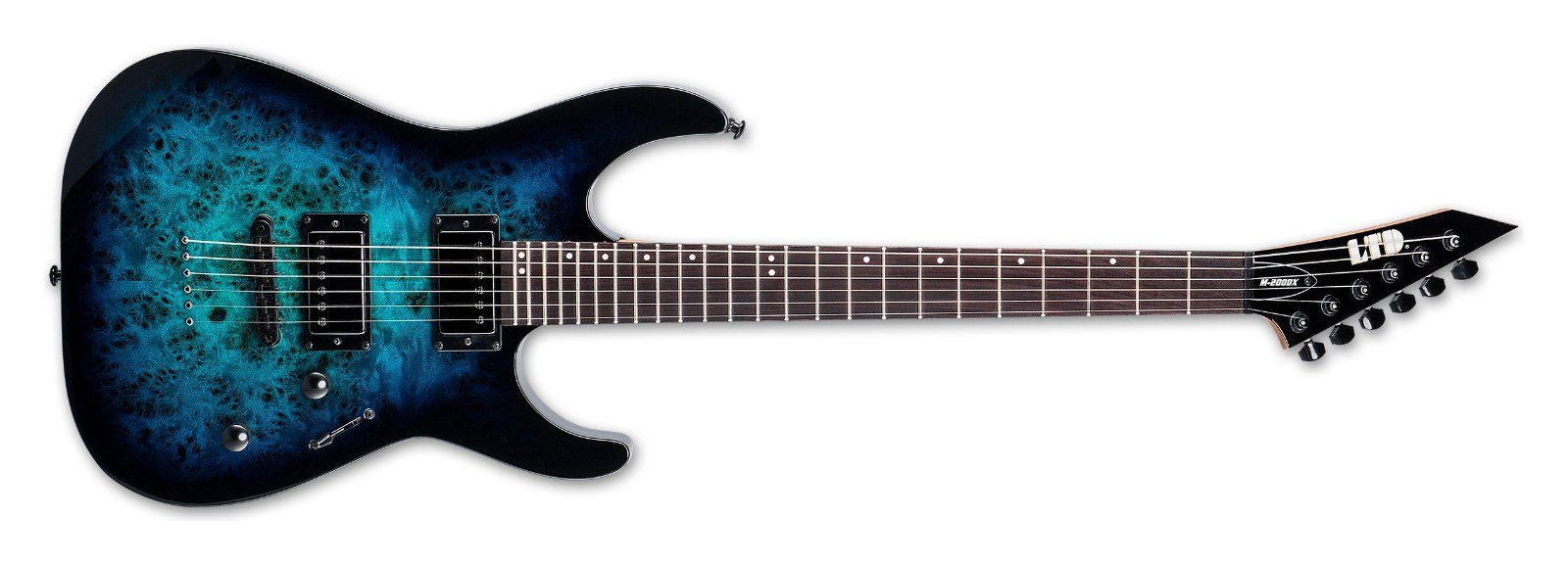
LTD is where most players meet ESP for the first time. Most of the signature models you see on stage, from Metallica to Children of Bodom, have an LTD version. Depending on the series, LTD guitars have been built in Korea, Indonesia, China and Vietnam.
| LTD series | What it means |
|---|---|
| 200 | The most affordable LTD models |
| 400 | Upgraded hardware and pickups, such as EMG |
| 1000 / Deluxe | The top LTD tier (Deluxe was added in 2002), with pro-grade parts |
| Signature models | Artist guitars, often offered at several price levels |
Series numbers are a rough guide only: specs and factories change from year to year, so always check the spec sheet of the exact model.
Edwards and GrassRoots: The Japan-Market Lines
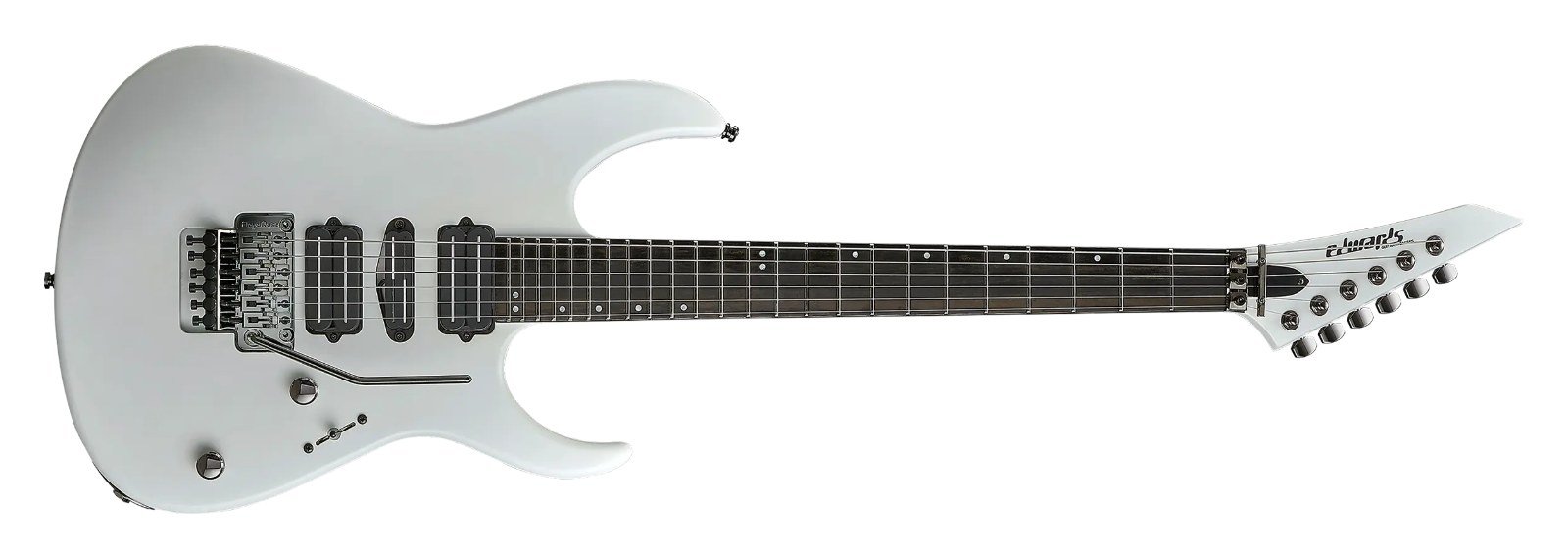
Edwards sits one step below ESP in Japan. It is built in Asian factories and brings ESP and Navigator-style designs to a more accessible price, with many Japanese artist signature models. Edwards is rarely sold officially outside Japan, so overseas buyers usually find it on the used market or through Japanese shops.
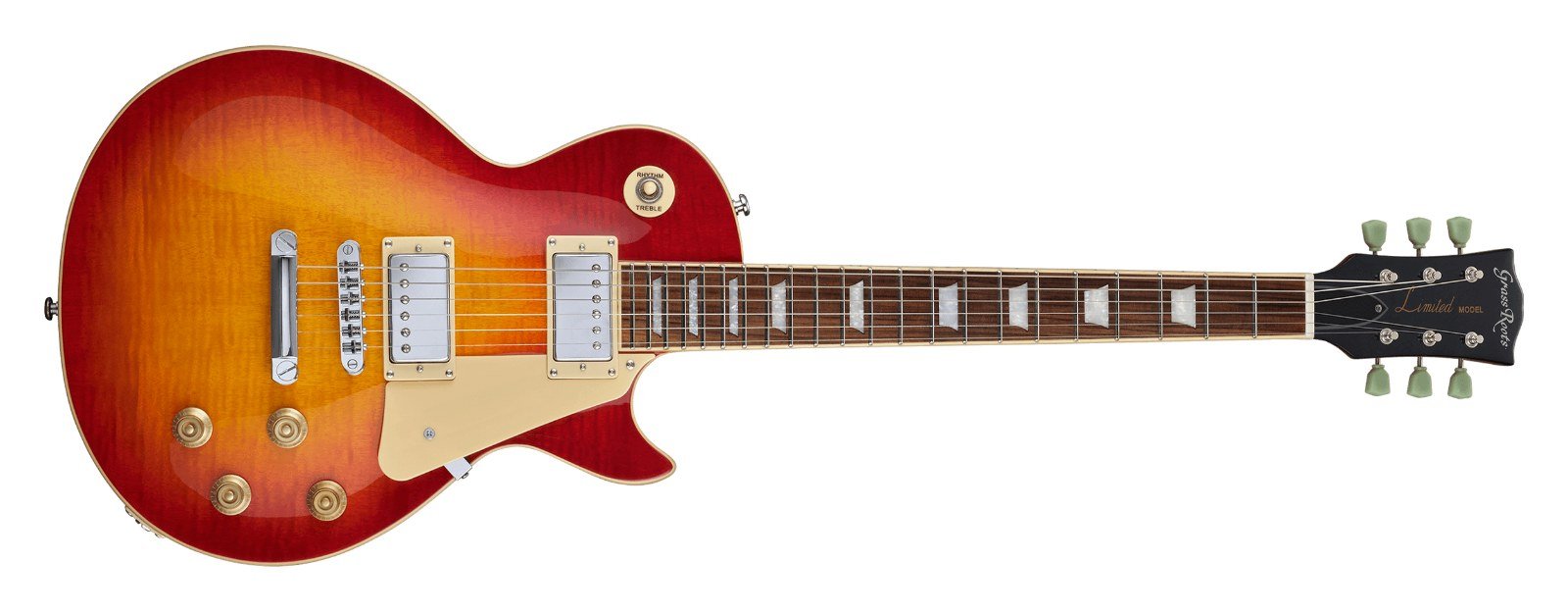
GrassRoots is the lowest-priced line in the family, aimed at beginners who want an ESP look on a small budget.
Navigator: The Vintage Line That Ended in 2025
Navigator was ESP’s first original brand, launched in 1976. Where ESP chased original designs, Navigator focused on traditional Fender and Gibson-style guitars with careful wood selection and nitrocellulose finishes.
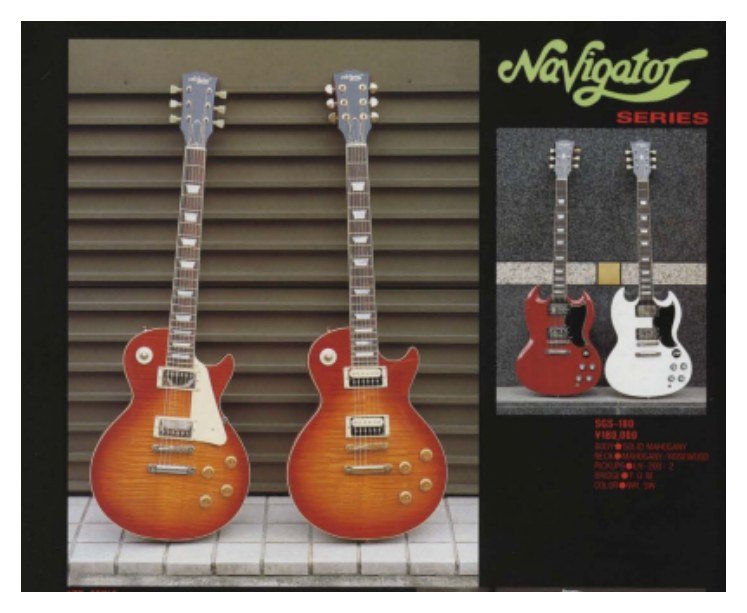
ESP ended production of all Navigator models on July 31, 2025. Some signature models were kept on sale for the time being, but the regular line is now a used-market brand.
Same Guitar, Three Tiers: The Alexi Ripped Example
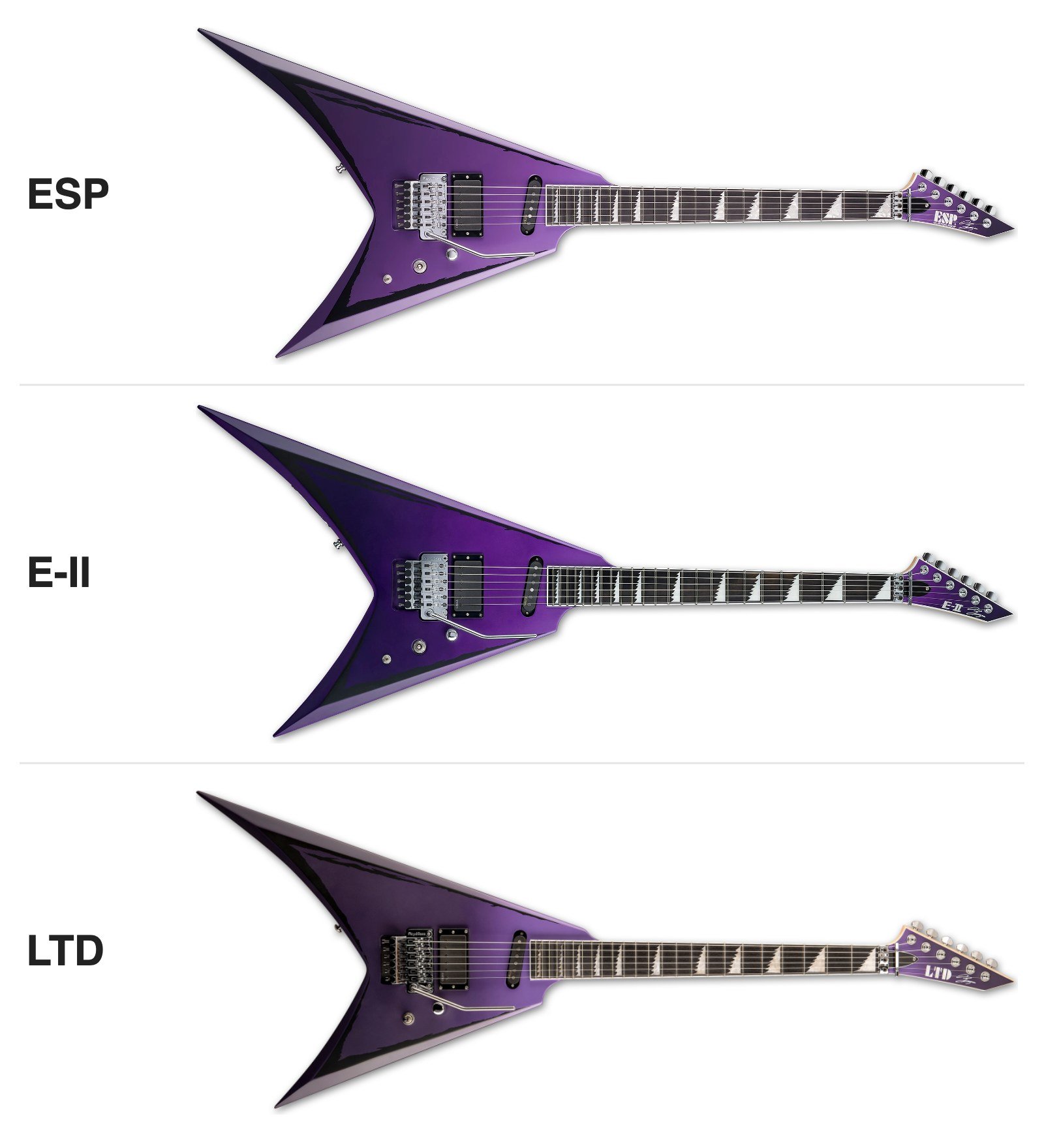
The clearest way to see the difference is one guitar sold at three levels. In 2021 ESP released the Alexi Ripped as an ESP, an E-II and an LTD. The shape is the same; the build and parts change.
| Version | Launch price (US, 2021) | Key differences |
|---|---|---|
| ESP (Custom Shop) | $5,799 | Handmade in Tokyo, Floyd Rose Original, Gotoh tuners, MM-04 boost |
| E-II | $2,499 | Made in Japan, same electronics and hardware as the ESP |
| LTD | $1,599 | Floyd Rose 1000, Grover tuners, no MM-04 boost |
Notice the jump: the E-II keeps the ESP’s hardware and electronics at well under half the price. That is why many players see E-II as the sweet spot of the family.
ESP vs LTD: Which Should You Buy?
| You are… | Look at | Why |
|---|---|---|
| A beginner or on a tight budget | LTD (200 or 400 series) | ESP shapes and signature looks at an accessible price |
| Gigging and want pro specs | LTD 1000 / Deluxe | Pro-grade parts without a Japan-made price |
| After Japanese build quality | E-II | Made in Japan, often with the same hardware as ESP |
| Want the original or a custom build | ESP | Handmade in Tokyo, the full spec |
| Shopping in Japan or importing | Edwards | Japan-market models you rarely see abroad |
| A vintage-style fan | Used Navigator | No longer made, but well built and traditional |
Final Thoughts
I think many people first discover ESP because one of their favorite players uses one, and the LTD version is how most of us get that guitar in our hands. There is nothing wrong with that. But if you ever get the chance, try an E-II or an ESP next to it. The difference is not the shape; it is the feel of a neck built in Japan.
And if you are a vintage fan, keep an eye on used Navigators. Now that the line has ended, good examples are only going to get harder to find.
FAQ
Is LTD made by ESP?
Yes. LTD is ESP’s own line, introduced in 1996. It uses ESP shapes and designs but is built in higher-volume factories outside Japan, which keeps prices lower.
What is the difference between ESP and E-II?
Both are made in Japan. ESP Original Series guitars are handmade in the Tokyo Custom Shop, while E-II is the new name for the former ESP Standard Series and sits at a lower price.
Is E-II worth it over LTD?
For many players, yes. E-II is made in Japan and some models share hardware and electronics with the ESP version, for example the 2021 Alexi Ripped.
Where are LTD guitars made?
Outside Japan. Depending on the series and year, LTD guitars have been built in Korea, Indonesia, China and Vietnam. Check the spec sheet of the exact model.
Is Edwards the same as ESP?
Edwards is part of the ESP family. It is made in Asia, sold mainly in Japan one step below ESP, and is rarely sold officially outside Japan.
Does ESP still make Navigator guitars?
No. ESP ended production of all Navigator models on July 31, 2025, though some signature models were kept on sale for a time.
More ESP guitar articles
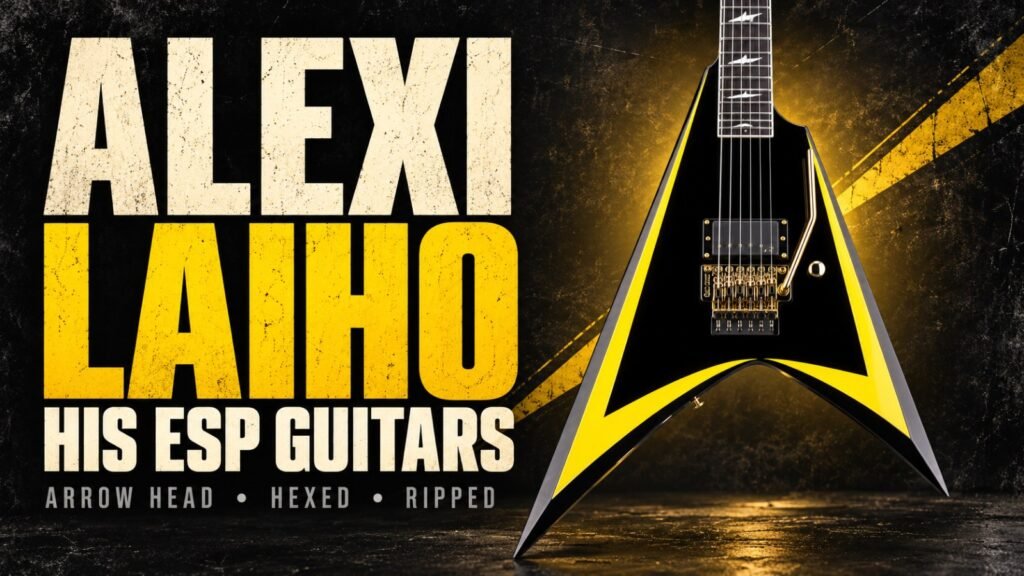
Alexi Laiho ESP Guitars: Arrow Head, Sawtooth, Scythe and the Final Ripped and Hexed
Alexi Laiho’s ESP guitars are some of the most recognizable V-shapes in metal: an offset…
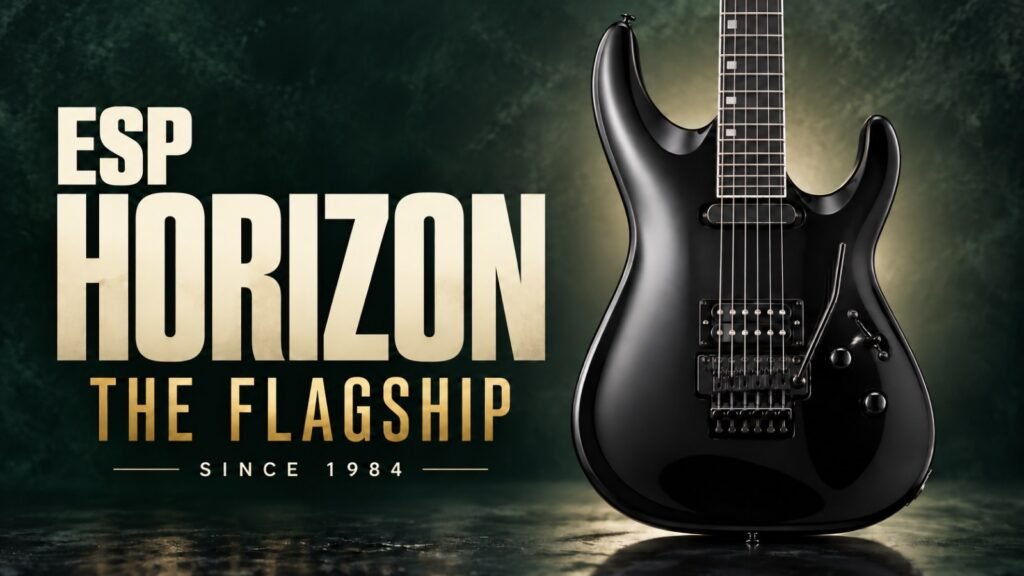
ESP Horizon: The Remarkable History of ESP’s Flagship Guitar (1984-Today)
The ESP Horizon is the guitar ESP itself calls its symbolic flagship: a model that…

Kirk Hammett ESP Guitars: From Zorlac and the KH-2 to the Legendary Mummy and Ouija
Kirk Hammett ESP guitars are some of the most iconic instruments in his huge collection….
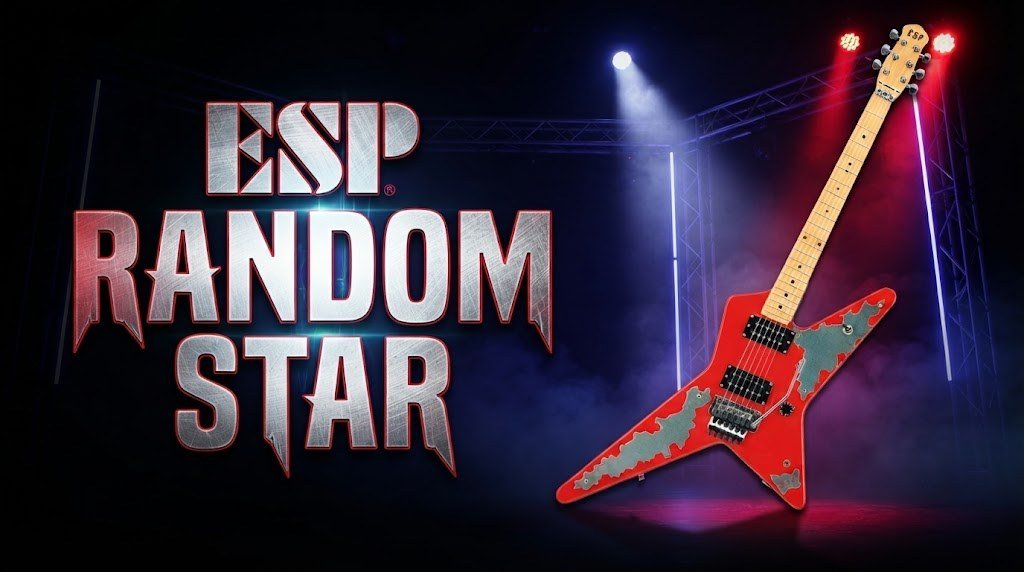
ESP Random Star: How Japan’s Iconic Star Guitar Really Began (1981-Today)
The ESP Random Star is one of ESP’s defining guitars of the 1980s, and most…
ESP History: The Founding Years, 1975 to 1989
ESP is known worldwide as a metal brand, but the company started in 1975 as…
ESP Guitars Explained: Models, Brand Tiers and Which One to Buy
ESP is a Japanese guitar maker founded in Tokyo in 1975. It began as a…