
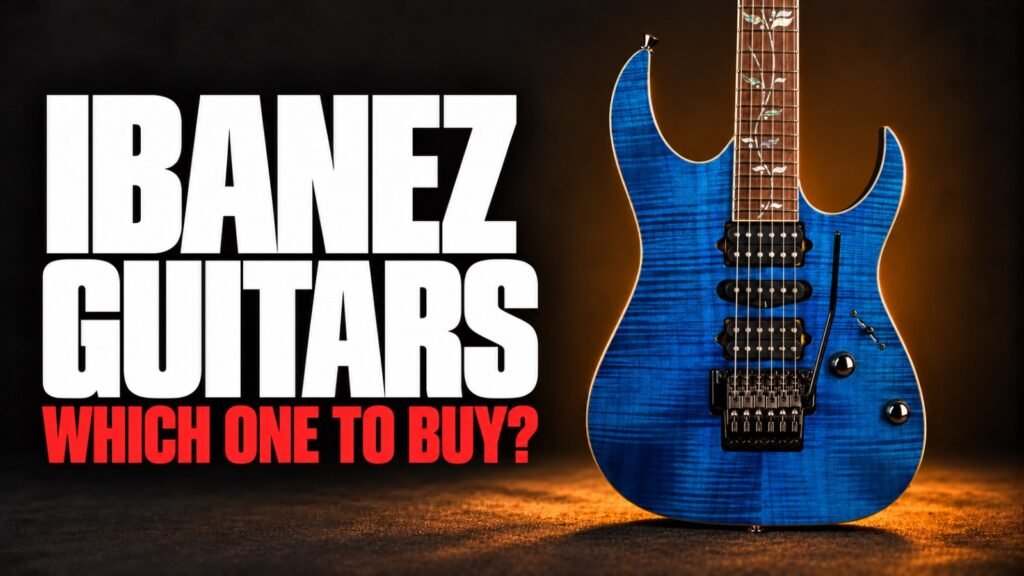
Ibanez guitars come from Hoshino Gakki, a Nagoya company using the Ibanez name since 1929. Famous for shred-ready super strats like the RG and JEM, the 7-string and the Tube Screamer, Ibanez designs and sells guitars without owning a factory.
This guide helps you choose one: which grades are made in Japan, which Ibanez fits your level and style, and how the lineup fits together.
Start here
- Ibanez RG Series Guide: every RG line and what separates them
- Ibanez RG vs JEM: the key differences explained
- Ibanez Rare Guitars: three limited runs worth hunting
- Ibanez History: the full story, with video
- Ibanez History in Brief
- What Makes Ibanez Guitars Different
- Ibanez Grades: Which Series Is Made in Japan?
- Which Ibanez Should You Buy?
- The Ibanez Guitars Lineup
- The Ibanez Brand Family: TAMA and the Tube Screamer
- Notable Ibanez Players
- Buying a Used or Japanese Ibanez
- Related Brands and Factories
- Final Thoughts
- FAQ
- All Ibanez Articles
Ibanez History in Brief
Ibanez began as an instrument department inside Hoshino Shoten, a Nagoya bookstore, and took its Spanish name from luthier Salvador Ibanez, whose guitars it imported from 1929. After the war, Hoshino rebuilt around exports and handed production to partners like Teisco and FujiGen.
Prefer the full story?
Ibanez History: The Bookstore That Became a Guitar Giant (1908-Today)
The Norlin lawsuit, the Steve Vai deal and the video version.
What Makes Ibanez Guitars Different
A Brand Without a Factory: How Ibanez Actually Gets Built
Hoshino designs and sells; partners build. That was common in 1970s Japan: Greco came from FujiGen and Aria Pro II from Matsumoku.
| Company | Role for Ibanez |
|---|---|
| Hoshino Gakki (Nagoya) | Design, marketing and sales; no guitar factory of its own |
| Teisco | A builder until its factory closed in 1970 |
| FujiGen (Matsumoto) | Took over the work and became the core development partner |
For you as a buyer, that means a Japanese-made Ibanez almost always comes out of one of the most respected factories in the country.
Built for Speed: Wizard Necks and Ibanez’s Own Locking Bridges
The modern Ibanez formula took shape in 1987, and every part of it has a job:
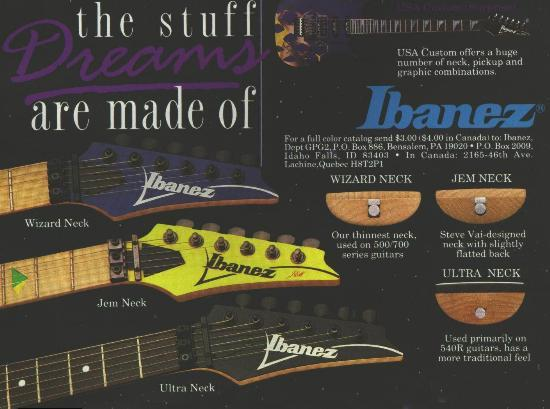
- Thin Wizard neck – less hand travel, so fast runs and wide stretches cost less effort.
- Five-piece hardwood neck with a reinforced truss rod – thin but rigid, so low action stays stable.
- Ibanez-designed locking bridge, parts by Gotoh – smooth, wide vibrato that returns to pitch. While most makers bought Floyd Rose, Ibanez insisted on its own design.
- 24 frets and a deep cutaway – the top octave is reachable without twisting your wrist.
Extended Range Pioneer: Ibanez Made 7 and 8 Strings Normal
Seven-strings existed long before Ibanez. What Ibanez did was put a modern 7-string electric into general production and make it stick.
| Year | Milestone |
|---|---|
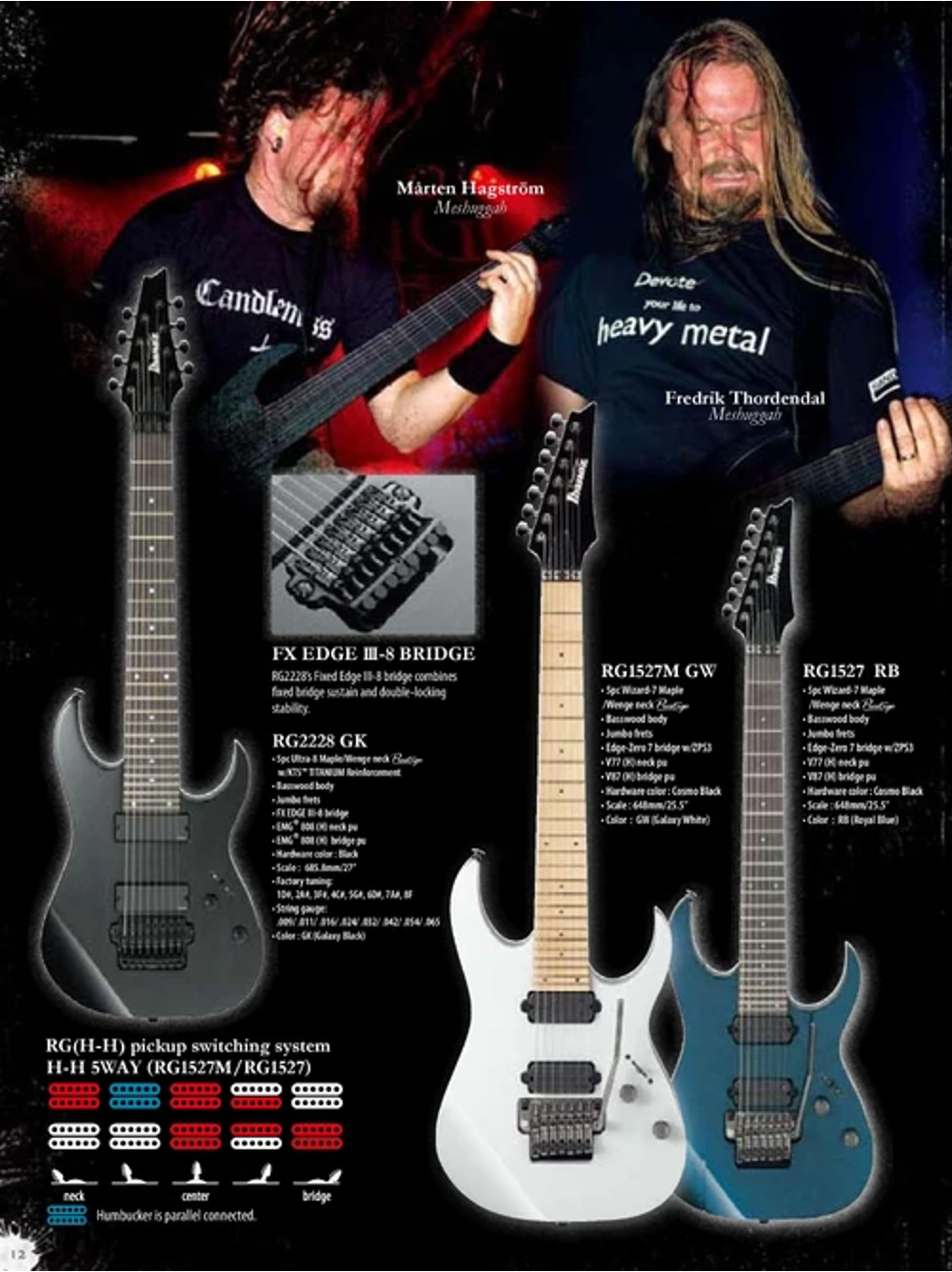
| 1990 | A modern-spec 7-string goes into production at Steve Vai’s request; it doesn’t sell at first |
| Late 1990s | Nu metal arrives; Munky and Head of Korn make “7-string” and “Ibanez” almost the same thought |
| 2007 | The RG2228, the first mass-produced 8-string, drawing on customs for Meshuggah |
If you play drop-tuned metal today, you’re playing in a world Ibanez helped build.
Not Just Shred: Jazz Boxes and Traditional Lines
Ibanez never dropped hollow and semi-hollow guitars. George Benson and Pat Metheny play them, which gives the brand jazz and fusion credibility well beyond its shred image.
Ibanez Grades: Which Series Is Made in Japan?
The grade tells you more than the model name. Two guitars that look identical can come from very different factories.
Every Ibanez grade in one table
| Grade | Made in | Position |
|---|---|---|
| J.Custom | Japan | Top of the Japanese line, selected materials |
| Prestige | Japan | The standard Japanese-made pro line |
| J-Line | Japan | Standard-spec Japanese models, the most accessible way into MIJ Ibanez |
| Standard | Asia | Core mid-range models with proven Ibanez specs at an everyday price |
| Premium | Asia | Pro features at a lower cost |
| Iron Label / Axion Label | Asia | Metal-focused / modern specs |
| Axe Design Lab | Asia | Experimental, rule-breaking designs |
| Genesis Collection | Japan | Old-school specs from the ’80s catalog |
| GIO | Asia | Entry level |
Which Ibanez Should You Buy?
Ibanez runs from a first guitar to a hand-finished J.Custom. Find your row, then move right as your budget grows.
| You play… | BeginnerGIO · StandardMade in Asia | IntermediatePremium · Iron LabelMade in Asia | AdvancedJ-Line · Prestige · J.CustomMade in Japan |
|---|---|---|---|
| Every genreAZ | AZES40 | AZ Premium | AZ Prestige |
| Metal & high gainRG | GIO GRG, RG421 | RG Premium, Iron Label | J.Custom |
| 7 & 8 stringsExtended range | RG7421 | Iron Label, Axion Label | Prestige 7-strings |
| Vai fansJEM | JEMJR | — | JEM7V |
| Classic ’80s specRG550 | — | — | Genesis RG550 |
My pick
The Genesis Collection
If “Made in Japan” on the headstock matters to you, start with the Genesis Collection. It’s built in Japan, yet it sells for about the same as the Indonesian- and Chinese-made lines from the big American brands. Those are good guitars too; Genesis simply gives you Japanese build for the same money, with the old-school 1980s spec on top.
Beginner: GIO, AZ Essentials and RG Standard
Your first Ibanez should be easy to keep in tune and easy to play. These are built in other Asian countries, which is how Ibanez keeps the price down.
- GIO GRG series: the lowest-cost way into the RG shape.
- AZ Essentials AZES40: a simpler AZ for players who don’t mainly play metal.
- RG Standard (such as the RG421): core RG specs with a fixed bridge.
Pick a fixed bridge for a first guitar. It stays in tune and restrings in minutes, and you can learn a floating trem later.
Intermediate: Premium and Iron Label
Once you’ve outgrown a first guitar, Premium is the sweet spot: better fret work, hardware and pickups without paying for Japanese build.
- AZ Premium: the AZ feel with upgraded hardware and finish.
- RG Premium: pro features on the classic super strat.
- Iron Label: stripped-down, metal-focused specs.
Advanced: Made-in-Japan J-Line, Genesis, Prestige and J.Custom
This is where Fujigen comes in. Each step up the Japanese ladder adds finish work and selected materials.
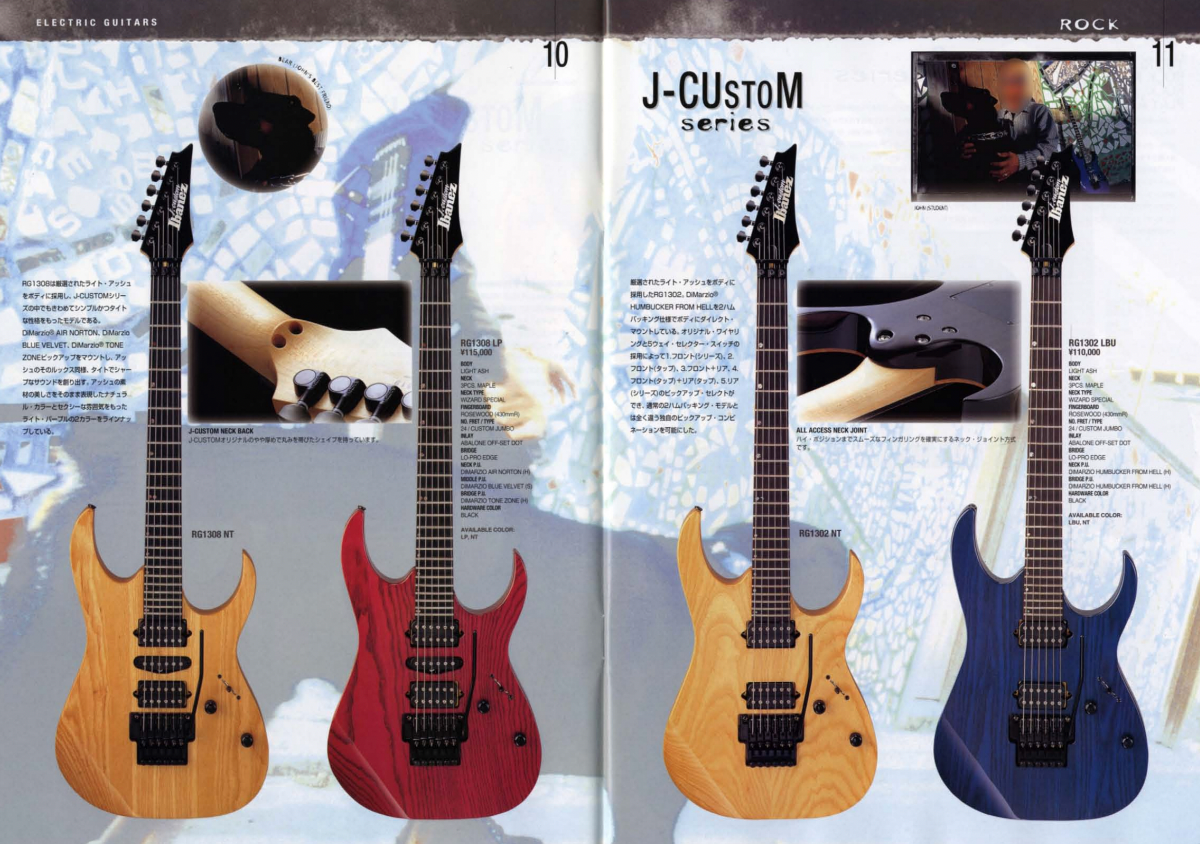
- J-Line RG6HSHFX: modern Japanese-made playability, the most accessible way into MIJ Ibanez.
- Genesis Collection RG550: the 1987 spec brought back, made in Japan.
- Prestige RG (such as the RG5120M), AZ2402 and JEM7V: the standard Japanese pro line. Used examples are among the best value in the catalog.
- J.Custom RG8570: selected woods and hand finishing at the very top.
The Ibanez Guitars Lineup
RG: The Super Strat That Defined Shred
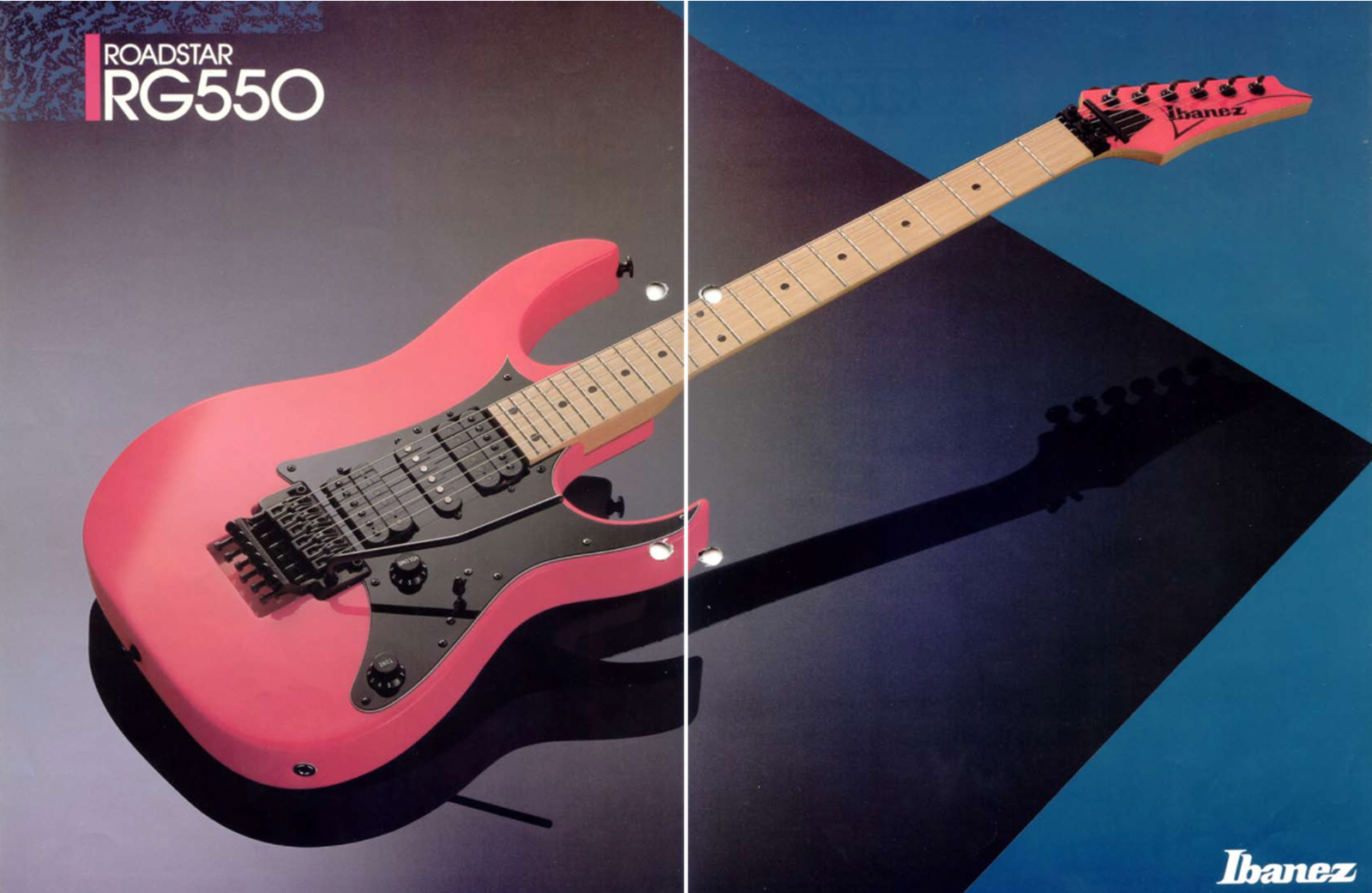
The RG started in 1987 as the RG550: the JEM777’s concept without the Vai-specific details. RG stands for Roadstar Guitar. Today it runs from entry level to hand-finished Japanese builds; see the Ibanez RG Series Guide and the RG history.
- H-S-H or H-H pickups – high-gain focus, plus a usable single-coil middle on H-S-H.
- Locking trem or fixed bridge – pick fixed if you tune down often or have never set up a floating trem.
- Bolt-on or neck-through – bolt-on until the early 2000s; neck-through versions now add sustain and a smoother heel.
Tune down often? Pick a fixed bridge, and look at the RGD for even lower tunings. Want a first 7-string? The RG7421 is the sensible start, with Iron Label and Axion Label covering modern 7- and 8-string specs.
Deep dive
Ibanez RG Series Guide: Models, Lineup and Product Lines
Every RG line and what separates them.
JEM: Steve Vai’s Guitar, Built From His Own Sketches
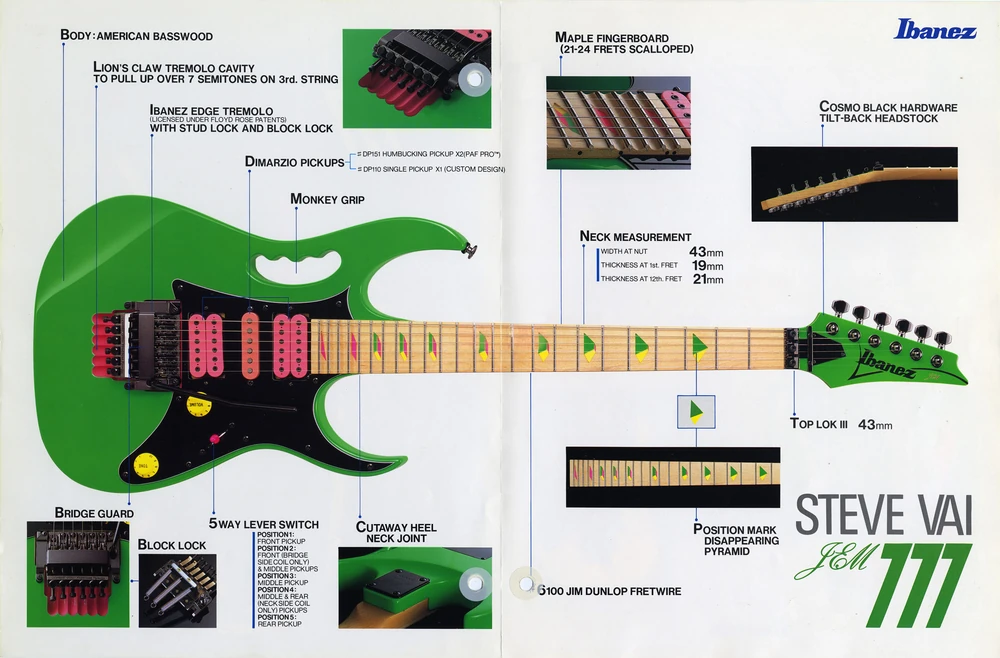
| Vai asked for… | What it gives you |
|---|---|
| 24 frets and a deep cutaway | Easy reach to the highest positions |
| A bridge that survives heavy bar use | Stays in tune through dive bombs |
| H-S-H pickups | Humbucker power plus single-coil sounds |
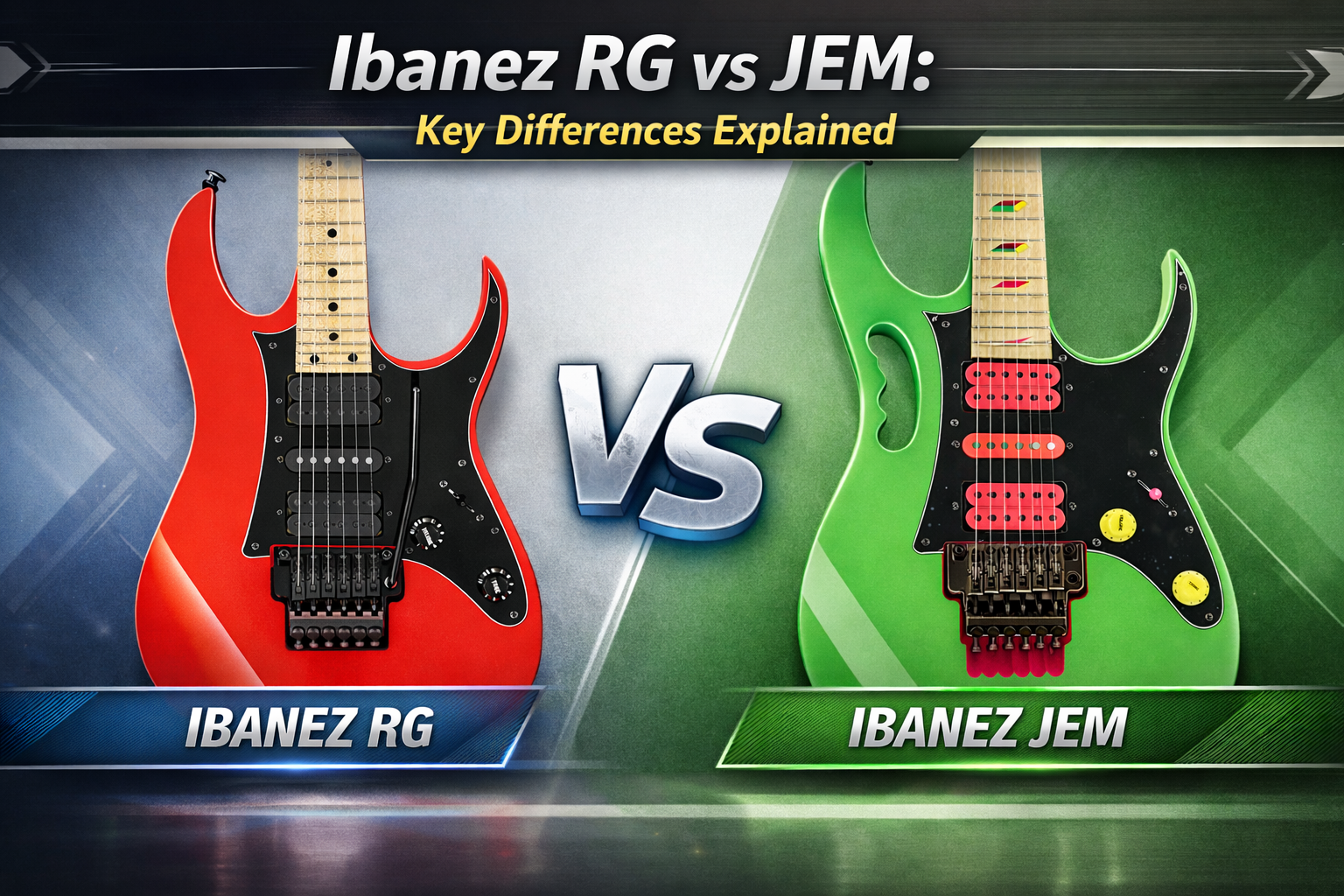
Other companies sent back modified stock guitars; Ibanez built prototypes from Vai’s own notes. The JEM777 launched in 1987 in Loch Ness Green, Desert Sun Yellow and Shocking Pink. How it differs from the RG is laid out in Ibanez RG vs JEM.
The JEMJR gets you the look; the Japanese-made Prestige JEM7V gets you the real thing. Joe Satriani fans should look at the JS series instead.
Deep dive
Ibanez RG vs JEM: Key Differences Explained
What the JEM adds over the RG, part by part.
S and AZ: Lighter Bodies and Everything-Genre Playability
The S is the other long-running staple alongside the RG: a thin, contoured body that’s lighter and more comfortable over a long gig. The AZ carries a more traditional feel, for players who want Ibanez playability without the metal look.
For blues, funk, fusion and pop, start with the AZES40, step up to AZ Premium, and finish with the Japanese-made AZ2402.
AR, Iceman and Destroyer: Ibanez’s 1970s Originals
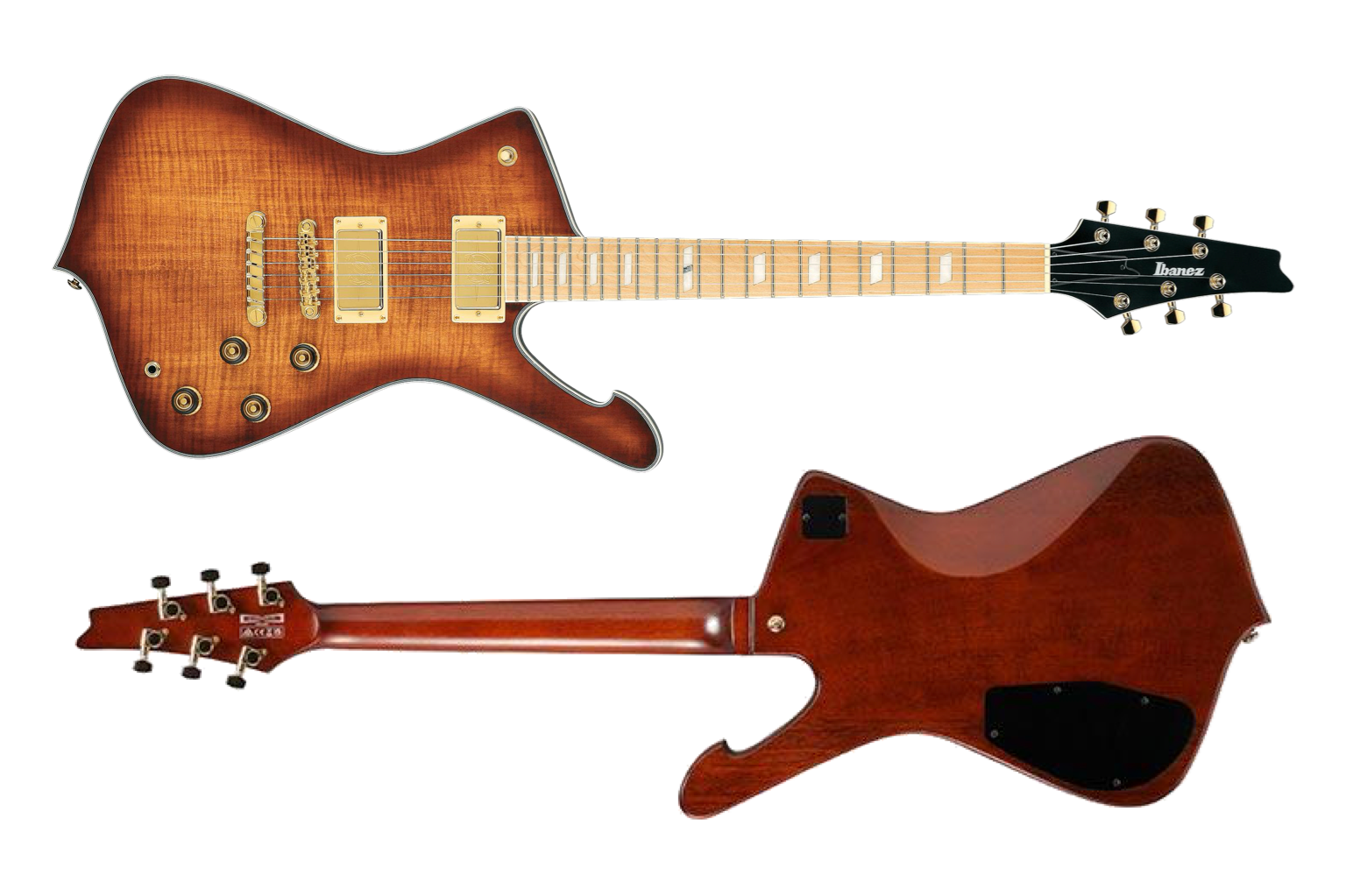
Before the RG, Ibanez’s 1970s originals were already turning heads:
| Model | Arrived | Why it matters |
|---|---|---|
| AR (Artist) | 1973; AR name from 1979 | Ibanez’s Artist Series, renamed AR when it was reverse-imported to Japan |
| Iceman | 1975; named Iceman in 1978 | Paul Stanley’s KISS icon, and a twin of Greco’s Mirage; one early version even had a sliding pickup |
| Destroyer | 1975; Destroyer II from 1981 | An Explorer-style model that became Eddie Van Halen’s Shark, then the Destroyer II of Phil Collen and Iron Maiden |
I’ve wanted an ’80s Destroyer II for years, but good examples keep getting scarcer and pricier. If one in good shape turns up, don’t wait too long. Some of the rarest Ibanez runs are covered in Ibanez Rare Guitars: 3 Limited Runs.
Talman: The Retro Offset for the Alternative Crowd
A 1990s offset aimed at grunge and alternative players, with signature models for Noodles of The Offspring and Paul Gilbert. Pick one if you want vintage-flavored looks with Ibanez playability.
SR, BTB and EHB: Ibanez Basses From Slim to Boutique
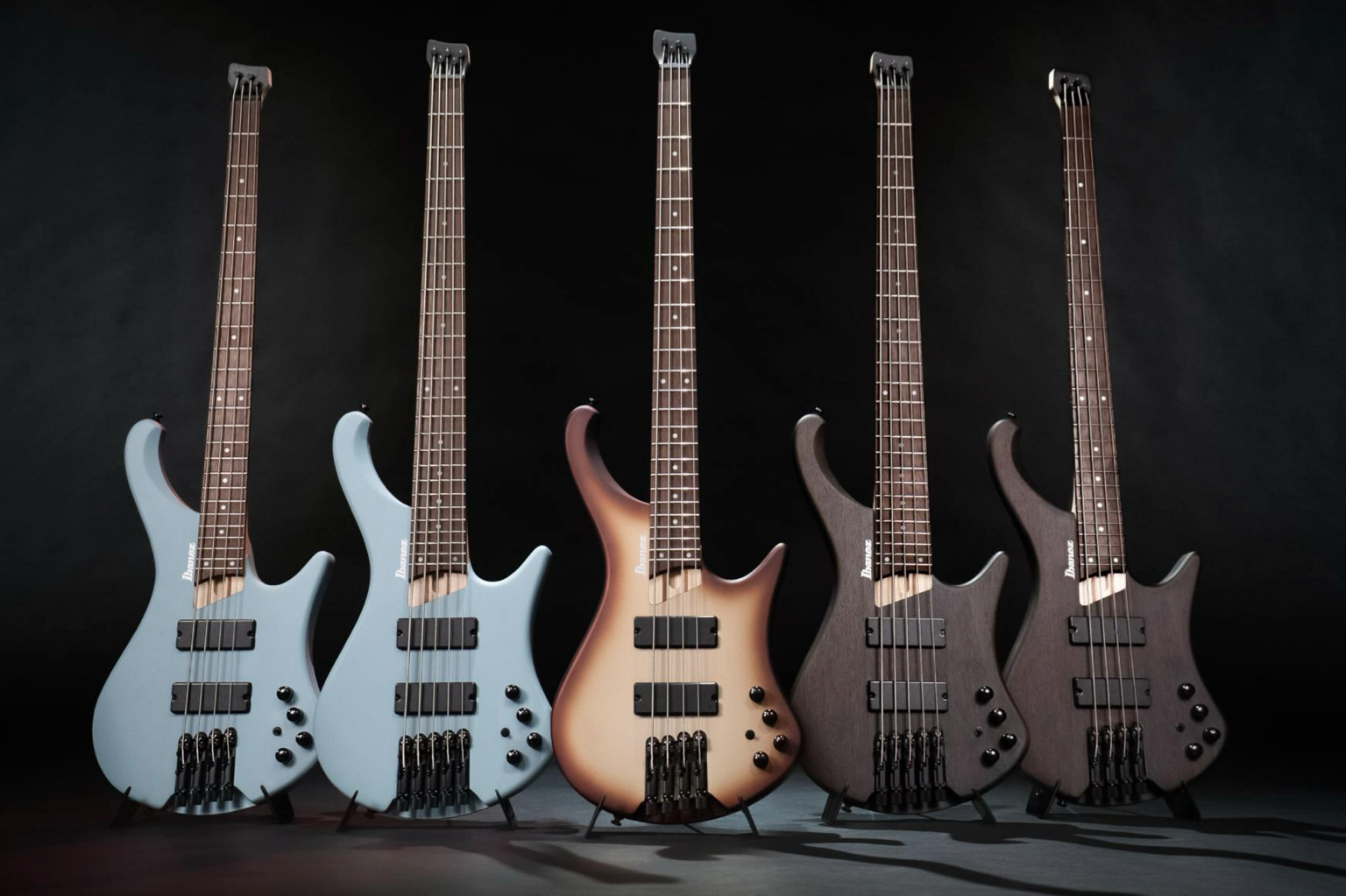
The SR is the standard, the bass equivalent of the RG. The BTB (“Boutique Bass”, 1999) brought neck-through construction and premium features. The EHB is the most modern of the three. First Ibanez bass? Start with the SR.
The Ibanez Brand Family: TAMA and the Tube Screamer
| Brand / Product | What it is |
|---|---|
| TAMA | Hoshino’s world-famous drum brand, built in-house by subsidiary Tama Seisakusho from the mid-1970s. Named after the wife of founder Yoshitaro Hoshino. |
| Tube Screamer | The 1979 overdrive made famous by Stevie Ray Vaughan. Built by Japanese maker Maxon, which sells its own overdrives with identical internals. |
The TAMA factory has a guitar story of its own: it was set up in 1962 to build Ibanez guitars and amps. When that work moved to outside partners in 1966, the plant kept making drums, and that’s the operation that became TAMA.
Notable Ibanez Players
| Artist | Band | Notable Ibanez models |
|---|---|---|
| Steve Vai | Solo / David Lee Roth | JEM, Universe 7-string |
| Joe Satriani | Solo | JS series (from the 1987 Radius 540R) |
| Paul Gilbert | Mr. Big | RG-based signatures, Talman |
| Munky & Head | Korn | K7 (2001) |
| Eddie Van Halen | Van Halen | 1975 Destroyer (“Shark”) |
| Paul Stanley | KISS | Iceman |
| George Benson / Pat Metheny | Solo | Hollow-body signatures |
| Tim Henson & Scott LePage | Polyphia | Signature models |
| Thundercat | Solo / session | Signature bass |
| Ichika Nito | Solo | Signature model |
| Hazuki | – | Signature model |
For a brand this strong internationally, Ibanez has surprisingly few Japanese signature artists. Ichika Nito is the one most international readers already know: a Japanese guitarist whose clean, tapping-heavy instrumental videos built a worldwide following online.
Buying a Used or Japanese Ibanez
A few practical points before you commit, especially if you’re shopping used.
- You want Japanese build: look at Prestige first. It’s the standard Fujigen-built line, and used examples are the best value in the catalog. J.Custom is the step above.
- You want the shape at the lowest price: Standard, Premium and GIO. No shame in it; that’s how most people get their first RG.
- You want vintage Ibanez: ’70s and ’80s originals like the Destroyer II and early AR models trade on condition and originality. Check the bridge and pickups carefully, since many were modified.
Buying from a Japanese listing? Terms like gari, sori and nari decide whether a guitar is a bargain or a repair bill; see my glossary of Japanese guitar condition terms. Visiting Japan? See my guide to guitar shops in Japan.
Related Brands and Factories
Ibanez sits inside a wider network of Japanese makers. These hub pages pick up the threads mentioned above.
Final Thoughts
Ibanez is introduced as a shred brand almost everywhere, and the reputation is earned. But look closer and you find jazz boxes, retro offsets, basses, and a range from a first guitar to a hand-finished J.Custom.
What strikes me most is the business behind it: a company that met global demand without owning a guitar factory, and still builds guitars in Japan today.
FAQ
Is Ibanez a Japanese brand?
Yes. Ibanez is owned by Hoshino Gakki of Nagoya, Japan. The name comes from Spanish luthier Salvador Ibanez, whose guitars Hoshino imported from 1929.
Who makes Ibanez guitars?
Hoshino Gakki designs and sells Ibanez but does not own a guitar factory. Japanese-made models are built mainly by Fujigen, and other lines are made by partner factories in Asia.
Which Ibanez guitars are made in Japan?
J.Custom, Prestige, J-Line and the Genesis Collection are made in Japan. Standard, Premium, Iron Label, Axion Label and GIO are built in other Asian countries.
What does RG stand for on Ibanez guitars?
RG stands for Roadstar Guitar. The RG550 of 1987 was originally part of the Roadstar family before the RG name took over.
Is Ibanez only for metal and shred?
No. The AZ, AR, Talman and hollow-body lines cover blues, rock, jazz and fusion, and George Benson and Pat Metheny both play Ibanez.
Did Ibanez invent the 7-string guitar?
No. Seven-string guitars existed in classical and Brazilian music. Ibanez was the first to put a modern 7-string electric into general production in 1990, and released the first mass-produced 8-string, the RG2228, in 2007.
What is the best Ibanez for beginners?
Start with a fixed-bridge GIO, AZ Essentials or RG Standard model. When you know what you like, step up to Premium, then to a Japanese-made J-Line or Prestige.
Is Ibanez Prestige worth it?
For many players, yes. Prestige is the standard Japanese-made pro line, built mainly by Fujigen, and used examples are among the best value in the Ibanez catalog.
What is the cheapest Japanese-made Ibanez?
J-Line and the Genesis Collection are the most accessible ways into a Japanese-made Ibanez, below Prestige and J.Custom.
All Ibanez Articles
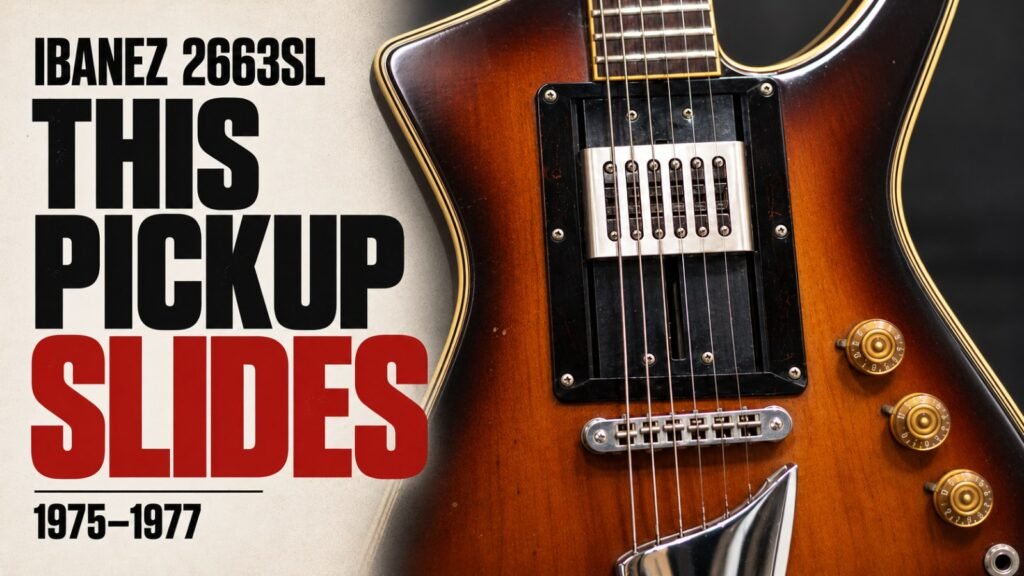
Ibanez Slide Pickup: The Rare 2663SL, a Brilliant Iceman Predecessor (1975-1977)
This Ibanez slide pickup guitar really stood out to me in an old Ibanez catalog….
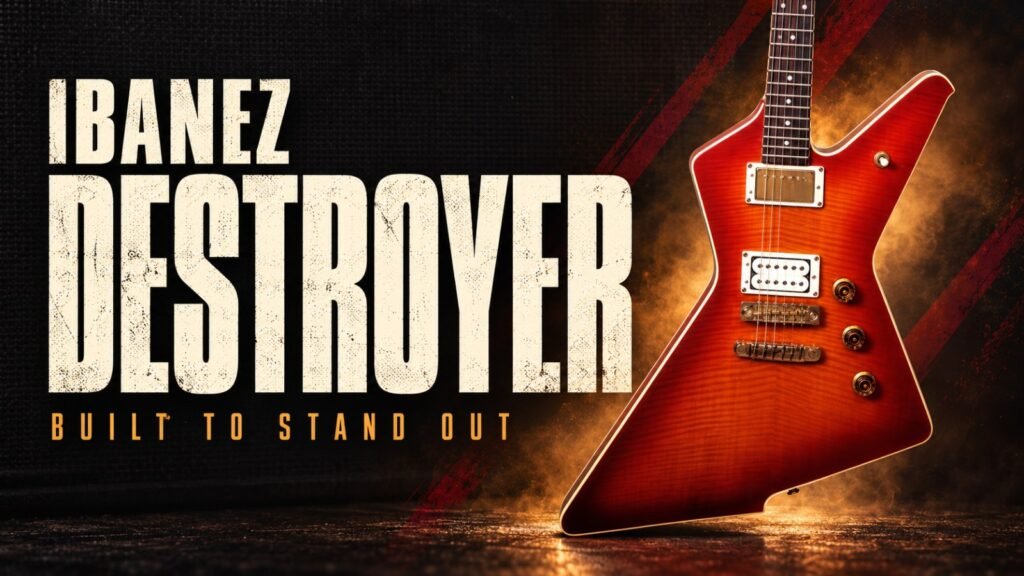
Ibanez Destroyer: Japan’s Explorer-Style Guitar and the 1980s Destroyer II (1975-1987)
The Ibanez Destroyer is one of Ibanez’s most iconic guitars of the 1980s rock era….
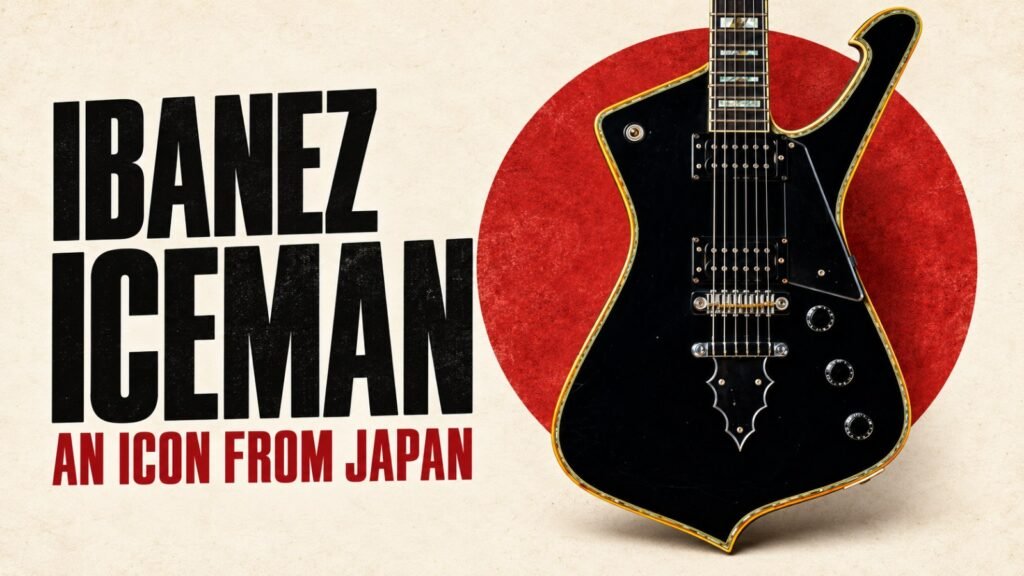
Ibanez Iceman and Greco Mirage: The Surprising Japanese Twins Born at FujiGen (1975-1978)
The Ibanez Iceman is one of Japan’s boldest guitar designs, and around the same time…
Ibanez History: The Bookstore That Became a Guitar Giant (1908-Today)
Say “shred guitar” and most players think Ibanez first. But the brand started as one…
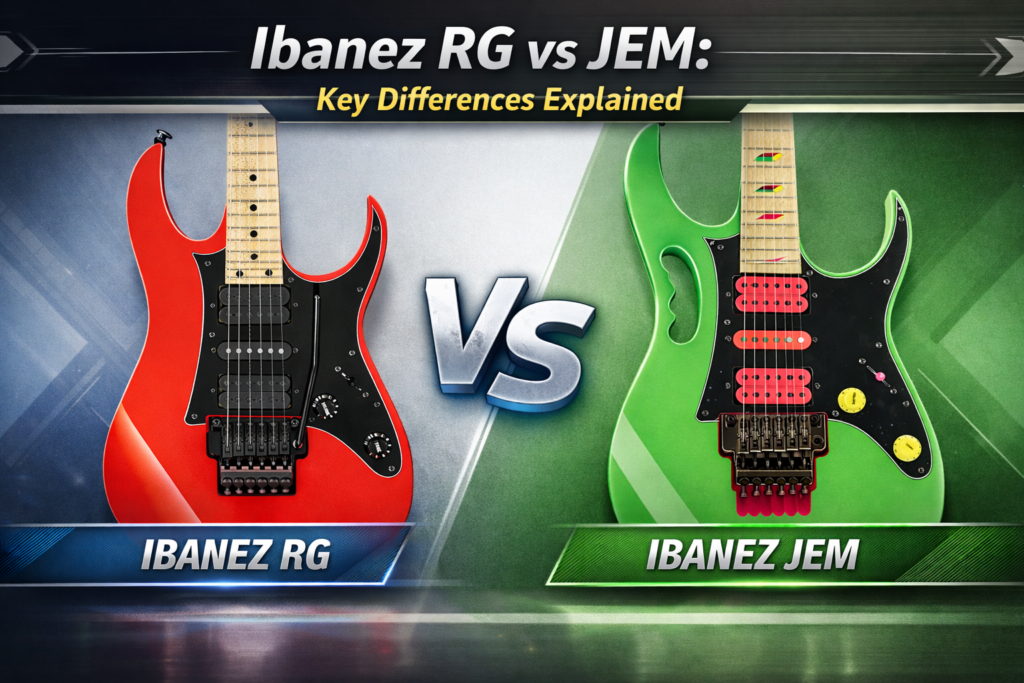
Ibanez RG vs JEM: Key Differences Explained
Ibanez RG vs JEM Quick Facts First JEM model: JEM777 (1987) First RG model: RG550…
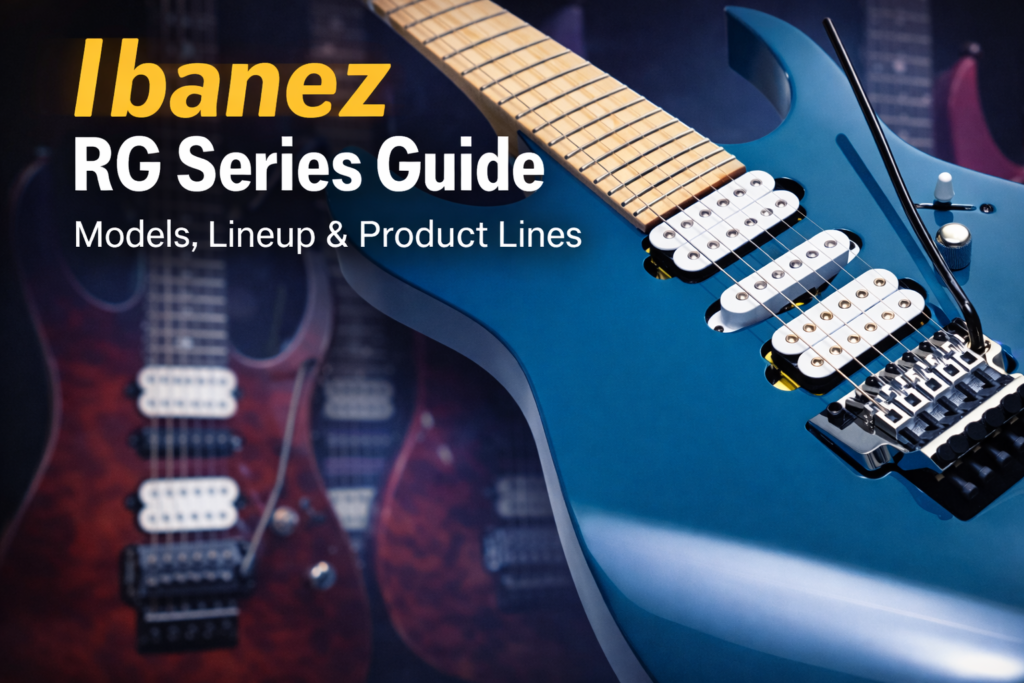
Ibanez RG Series Guide: Models, Lineup & Product Lines
Ibanez RG Models Quick Facts First RG model: RG550 (1987) Most iconic RG models: RG550,…
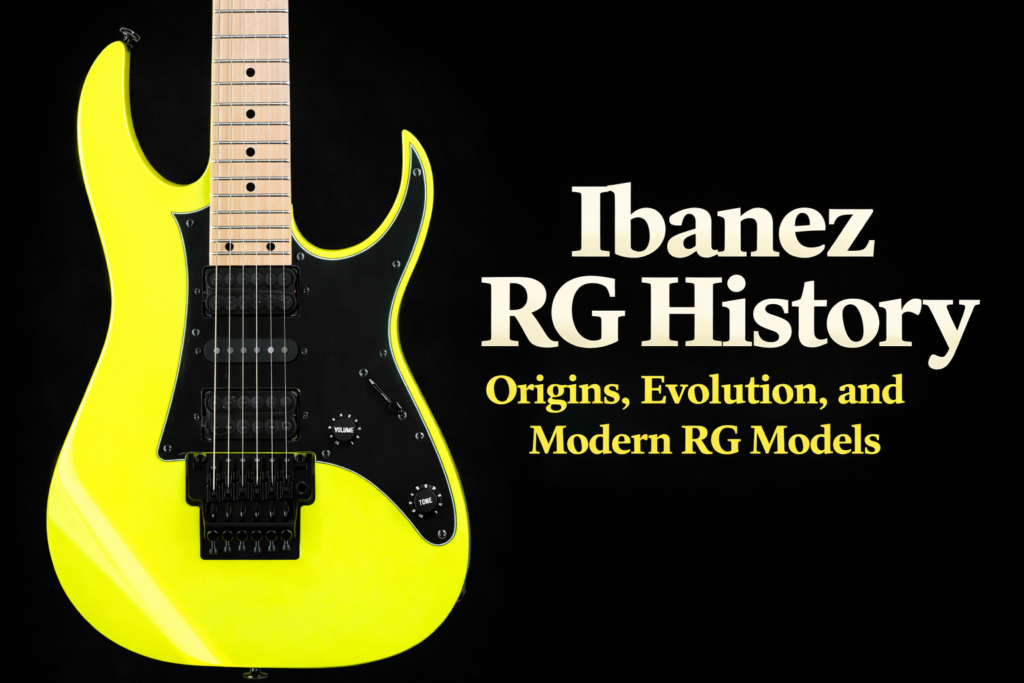
Ibanez RG History: Origins, Evolution, and Modern RG Models
The Ibanez RG series is one of the most influential modern electric guitar designs, evolving…
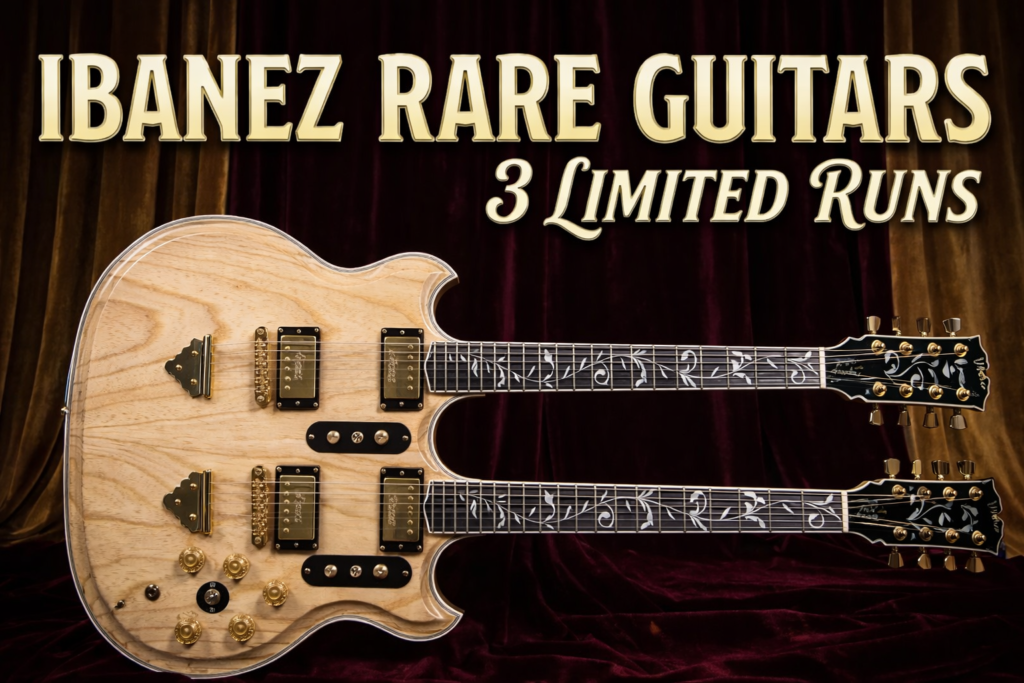
Ibanez Rare Guitars: 3 Limited Runs
Overview & Key Points Ibanez rare guitars are limited-production instruments manufactured in exceptionally small quantities,…


1977 custom Les Paul , roadster ll 505 strat sometime early 80s both MIJ. 2022 AR 520 finally 1980 M342 acoustic 12 string.