

If you own a Fender Japan from the late 1990s or later, there is a good chance it was built by Dyna Gakki. Founded in 1972 in Chino, Nagano, Dyna is one of Japan’s biggest guitar factories, yet for most of its history its name never appeared on a headstock.
This guide covers who Dyna Gakki is, its role in Fender Japan, how to tell a Dyna-made Fender Japan from a FujiGen one, and the guitars and basses Dyna now sells under its own name.
Dyna Gakki Quick Facts
- Company: Dyna Gakki Co., Ltd. (ダイナ楽器), about 85 employees
- Founded: 1972
- Where it’s made: Chino, Nagano, Japan, with every process in-house
- Known for: Building Fender Japan after FujiGen, and its own Dyna brand today
- Status: Active; its company profile lists Fender Musical Instruments Corporation as its main customer
Start here
- Fender Japan: the brand Dyna built from the mid-1990s
- Fender Japan Serial Numbers: every prefix, including the Dyna years
- Dyna and Fender Japan: Crafted in Japan, Made in Japan and JD
- The Dyna Brand: JA-STER, MOTIVE-II, KUSABI-II and VL
What Is Dyna Gakki?
Dyna Gakki is a guitar manufacturer in Chino, a town in Nagano Prefecture, the same mountain region that is home to FujiGen and many other Japanese guitar makers. According to its official site, the company has kept every stage of production in-house since it was founded in 1972, from woodworking and painting to assembly. Its listed business is building and selling electric guitars, plus woodworking and finishing work.
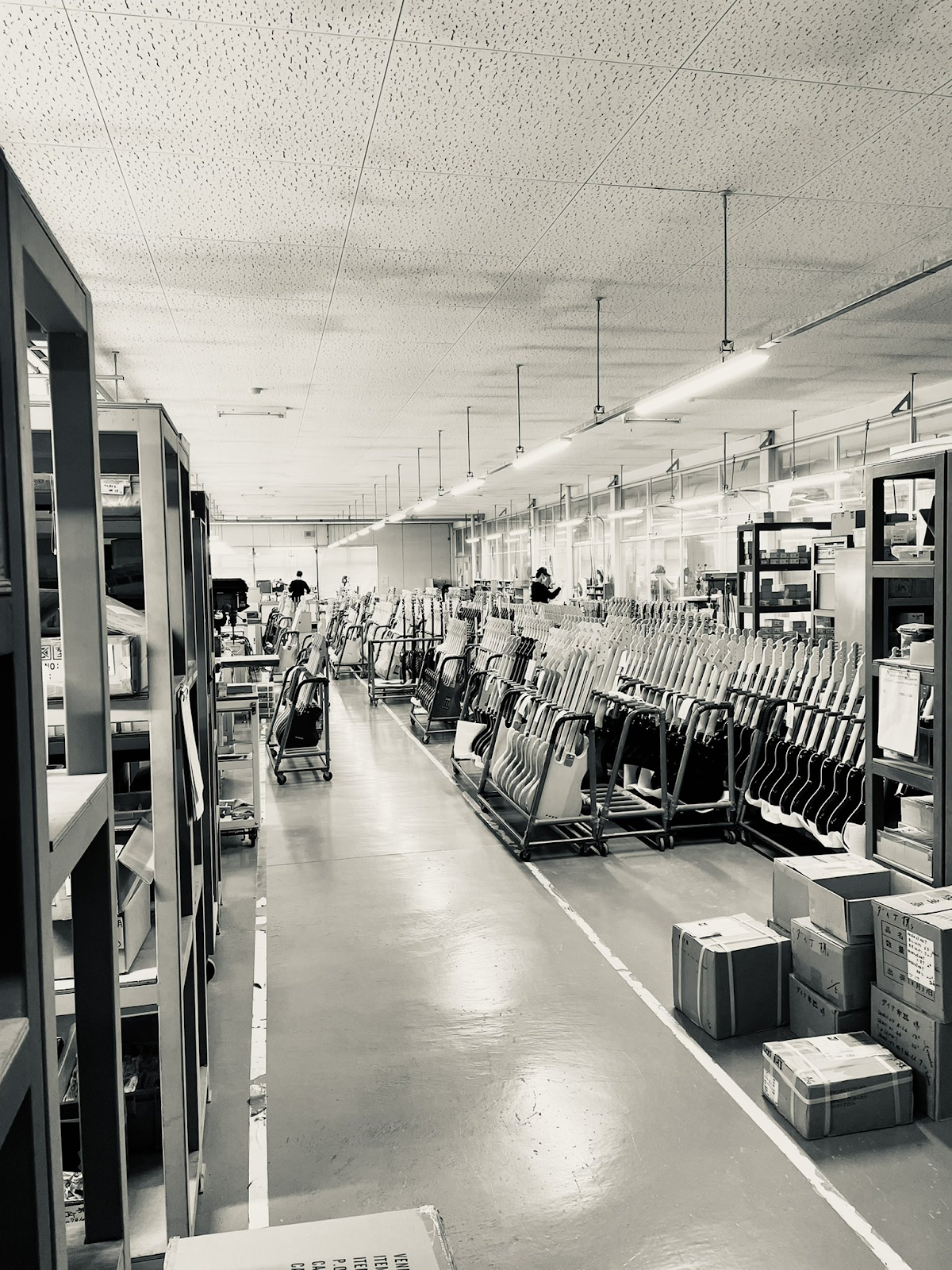
For decades Dyna worked almost entirely as an OEM factory, building to the specs of other companies. In its own words, taking on requests from many different makers slowly earned their trust, and it grew into the factory with the largest production volume in Japan. That is a big claim, and it comes from the company itself, but it fits with the scale of the work Dyna has handled for Fender.
Dyna’s name also turns up in the supply chains of other Japanese makers. Gotoh Pickups, for example, lists Dyna Gakki among its customers alongside Fujigen and Tokai, as covered in our Gotoh article.
Dyna Gakki and Fender Japan
Fender Japan began in 1982, and for its first years it was built at FujiGen. From around the mid-1990s, production moved to Dyna Gakki. This shift is the single biggest dividing line in how Fender Japan guitars are judged today.
Phase One: Crafted in Japan (from around 1995)
In the first Dyna period, the woodwork was outsourced and Dyna handled the final assembly. Tokai and Terada are among the companies that supplied the woodworked and finished parts. These guitars carry a Crafted in Japan marking rather than Made in Japan.
There is a nice twist here. In the early 1980s, Tokai had walked away from talks with Fender over a Japanese Fender line, and Fender took the idea to FujiGen and Kanda Shokai instead. More than ten years later, Tokai ended up supplying parts for Fender Japan anyway, with Dyna putting them together. The full story is in our Tokai history.
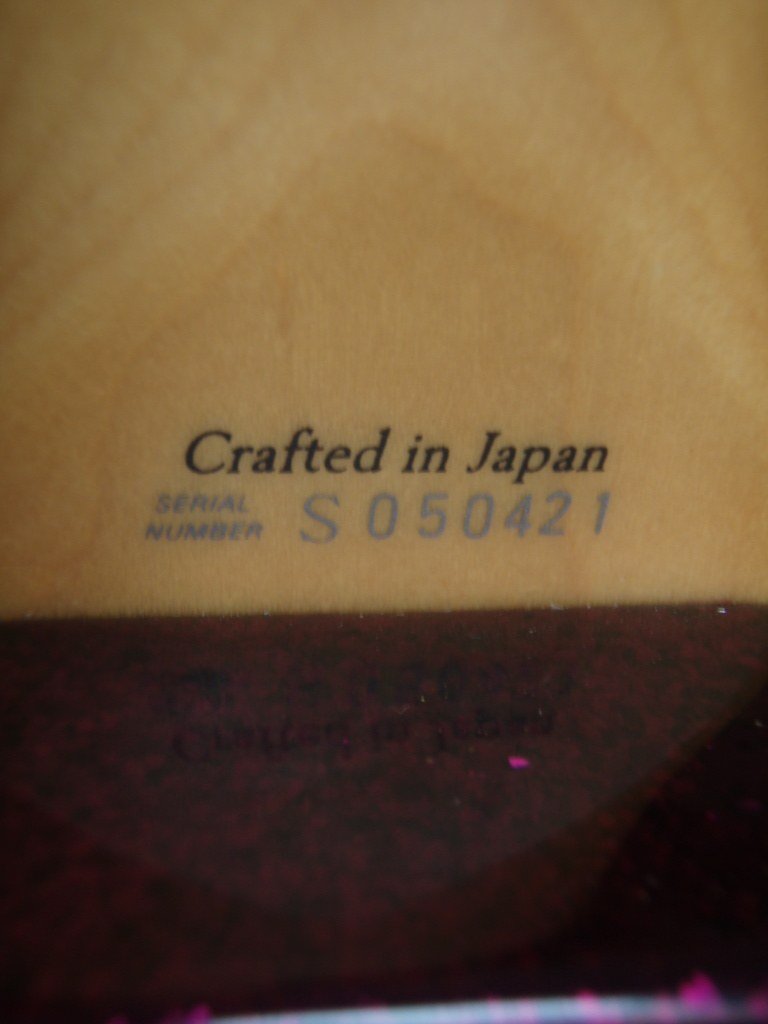
Phase Two: Made in Japan, Fully Built at Dyna (from 2007)
From 2007, Fender Japan guitars fully built and assembled at Dyna Gakki were marked Made in Japan again. From 2012 the serial starts with JD followed by the year, so JD12 means 2012. An easy way to remember it is “Japan Dyna.”
The Fender Japan name ended in 2015, but Dyna did not stop building Fenders. Its official company profile still lists Fender Musical Instruments Corporation as its main customer.
My Take
As far as I know, Richie Kotzen’s main Tele is also a Dyna-built guitar, which tells me the quality holds up at a professional level.
How to Tell a Dyna-Made Fender Japan
The marking and the serial prefix tell you most of what you need. Here is the short version; the full list is in our Fender Japan serial number guide.
| Factory | Years | Marking | Typical serials |
|---|---|---|---|
| FujiGen | 1982 to around 1997 | Made in Japan | JV, SQ, E, then F to V |
| Dyna Gakki (phase one) | From around 1995 | Crafted in Japan | N, A, then O0 to T0 + 5 digits |
| Dyna Gakki (phase two) | From 2007 | Made in Japan | T0 and U0 + 5 digits, then JD from 2012 |
Years overlap during the changeovers, and a few prefixes appear in both eras, so always check the marking as well as the letters.
Are Dyna-Made Fender Japans Worse?
It is true that Dyna-made guitars are often rated below FujiGen-built ones, and that shows up in prices on the used market. Still, they are highly regarded guitars in their own right. If you own one, I would not worry too much; I would simply keep enjoying it. If you are buying, a Crafted in Japan or later Made in Japan Fender Japan is often the more affordable way into a Japanese-built Fender.
My Take
Most people online will tell you to buy FujiGen, and some early Dyna-era guitars don’t have the best reputation for build quality. But I don’t get that impression from recent Fender Japan and MIJ guitars at all.
The Dyna Brand
After decades behind the scenes, Dyna now builds guitars and basses under its own name, simply Dyna. The idea, in the company’s words, is to send more modern and more versatile guitars out to the world with high quality and high cost performance, built on the know-how it gathered as an OEM factory.
Two things set the brand apart from most Japanese makers. First, Dyna sells direct from the factory through its official webstore, which it says helps keep prices accessible and lets it hear players’ opinions directly. Second, every finished instrument is set up one by one by a dedicated technician at the factory, so that it plays well straight out of the box even when bought online.
JA-STER Standard: The Entry Point
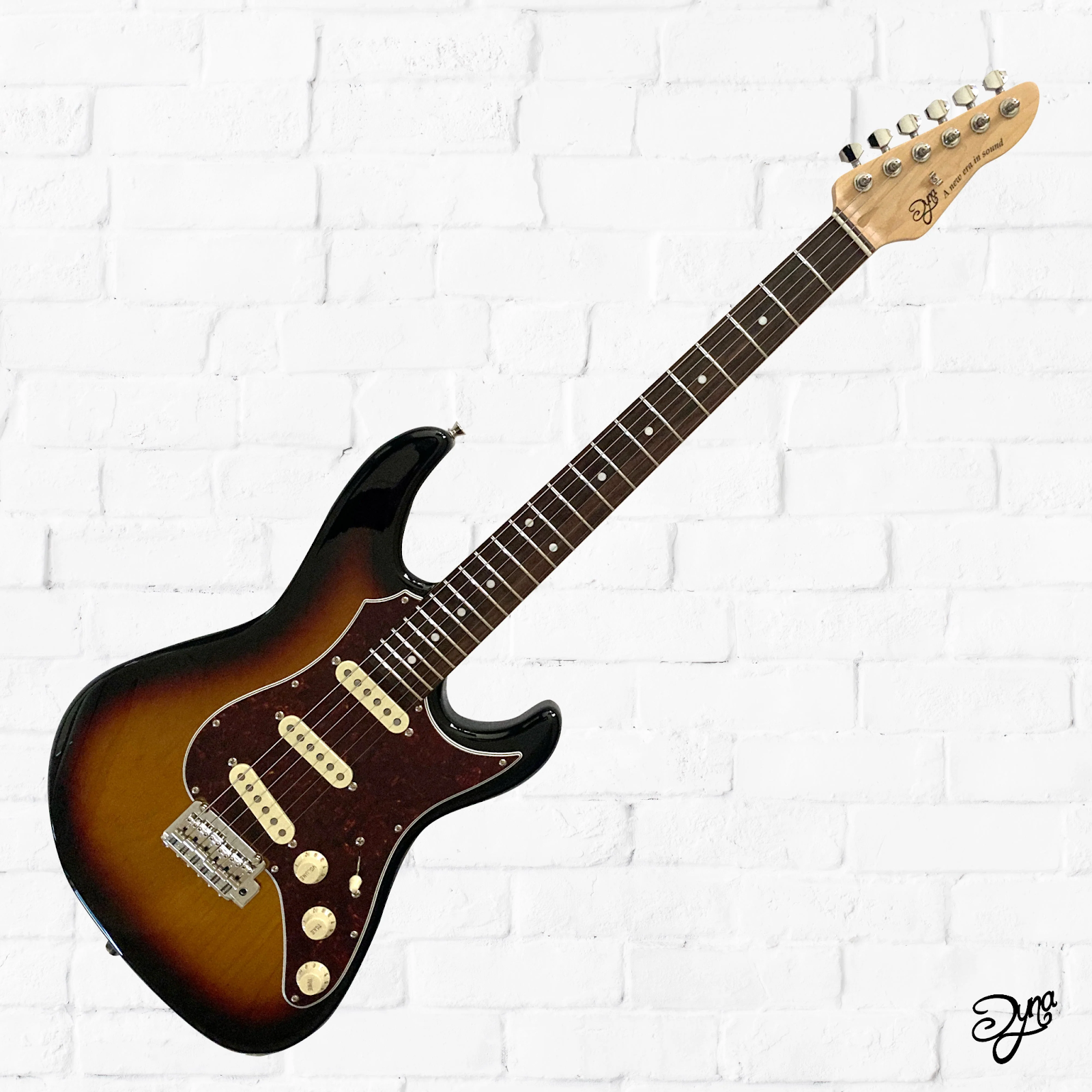
The JA-STER Standard is Dyna’s offset guitar and the easiest way into the brand. Its offset body is shaped for balance and easy access to the high frets, and at 42mm thick it is a little lighter than usual, so long practice sessions stay comfortable. Dyna’s own high-output pickups are tuned for a clear, straight tone with plenty of attack, and the C-shape neck is compact and easy to grip.
The standard version is ¥95,000 and the SSH version with a bridge humbucker is ¥100,000 on the official store, which is very low for a guitar fully made in Japan.
MOTIVE-II: Modern 6- and 7-Strings
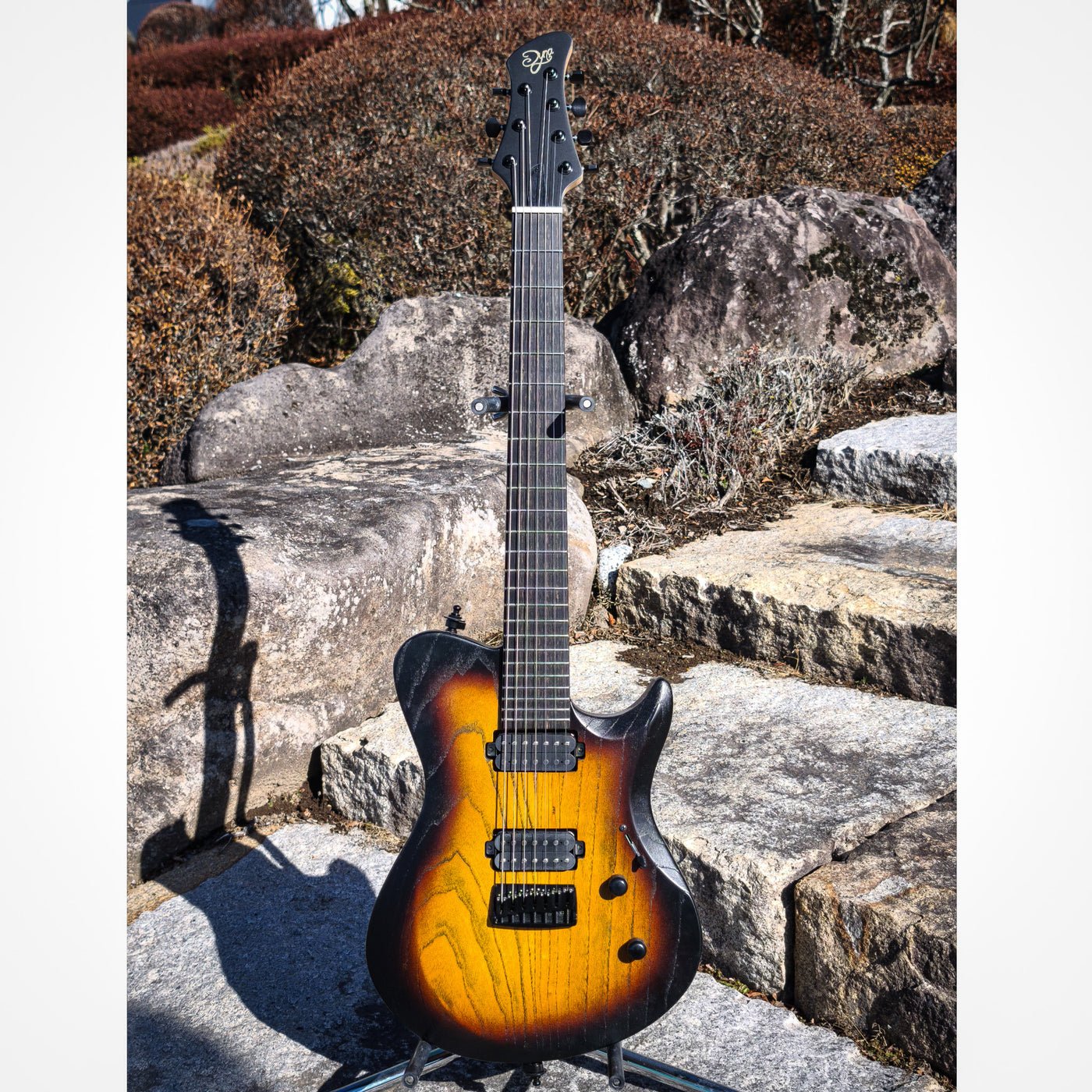
The MOTIVE-II is the modern side of Dyna, offered as a 6-string and a 7-string. It has a sandblasted finish that brings out the texture of the wood, newly developed Dyna original humbuckers and special wiring for a wide range of sounds. The 7-string also comes as a TR version with a tremolo.
Official prices run from ¥165,000 for the 6-string to ¥185,000 for the 7-string TR, and like every Dyna, it is made entirely in-house in Japan.
KUSABI-II and VL Standard: The Basses
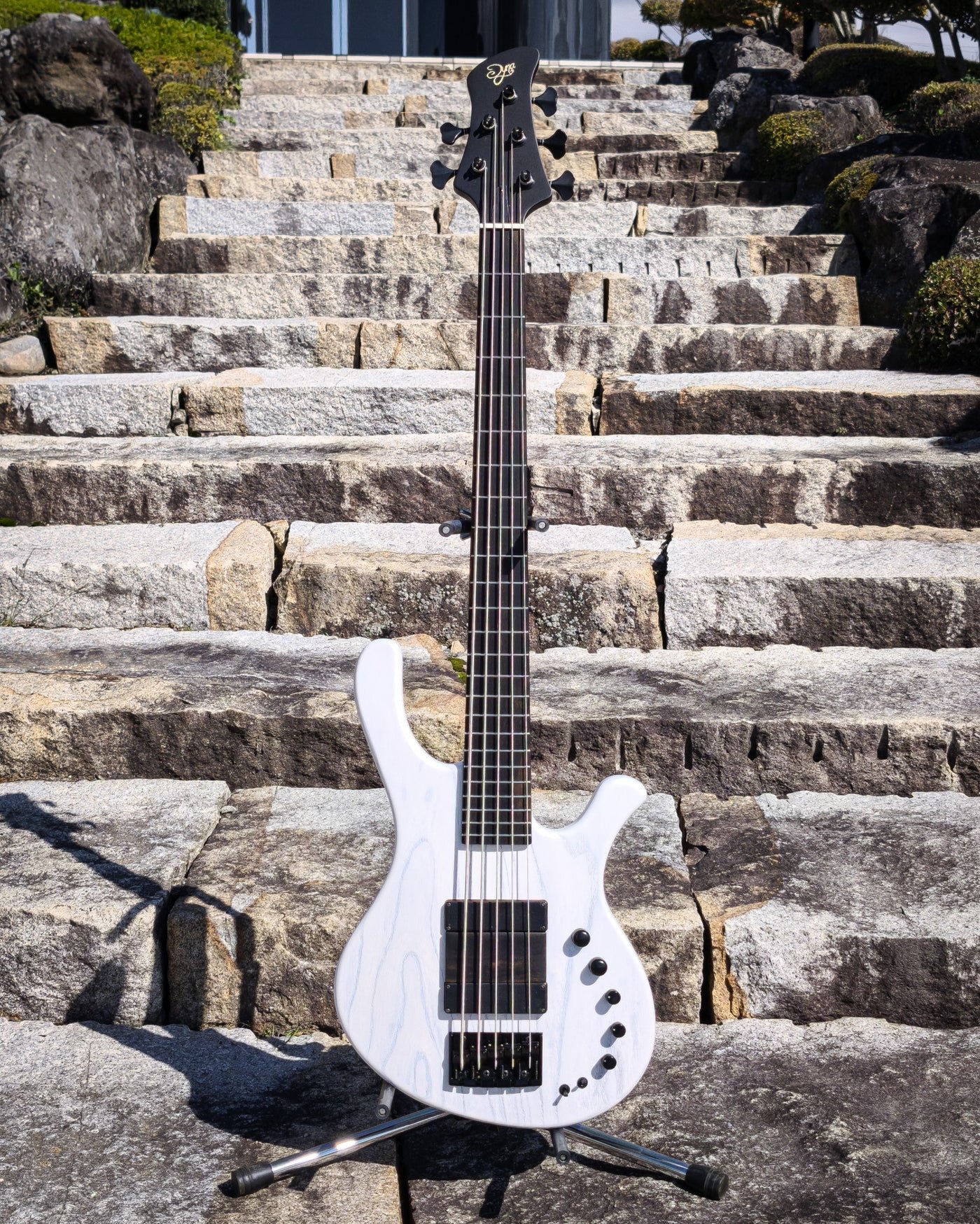
The KUSABI-II is the bass counterpart to the MOTIVE-II, with the same sandblasted finish, a curved top that sits comfortably against your body, newly developed Dyna original bass single-coils and an onboard preamp. Limited versions with a finger rest and black-painted pickups and neck sell for ¥163,000 (4-string) and ¥183,000 (5-string).
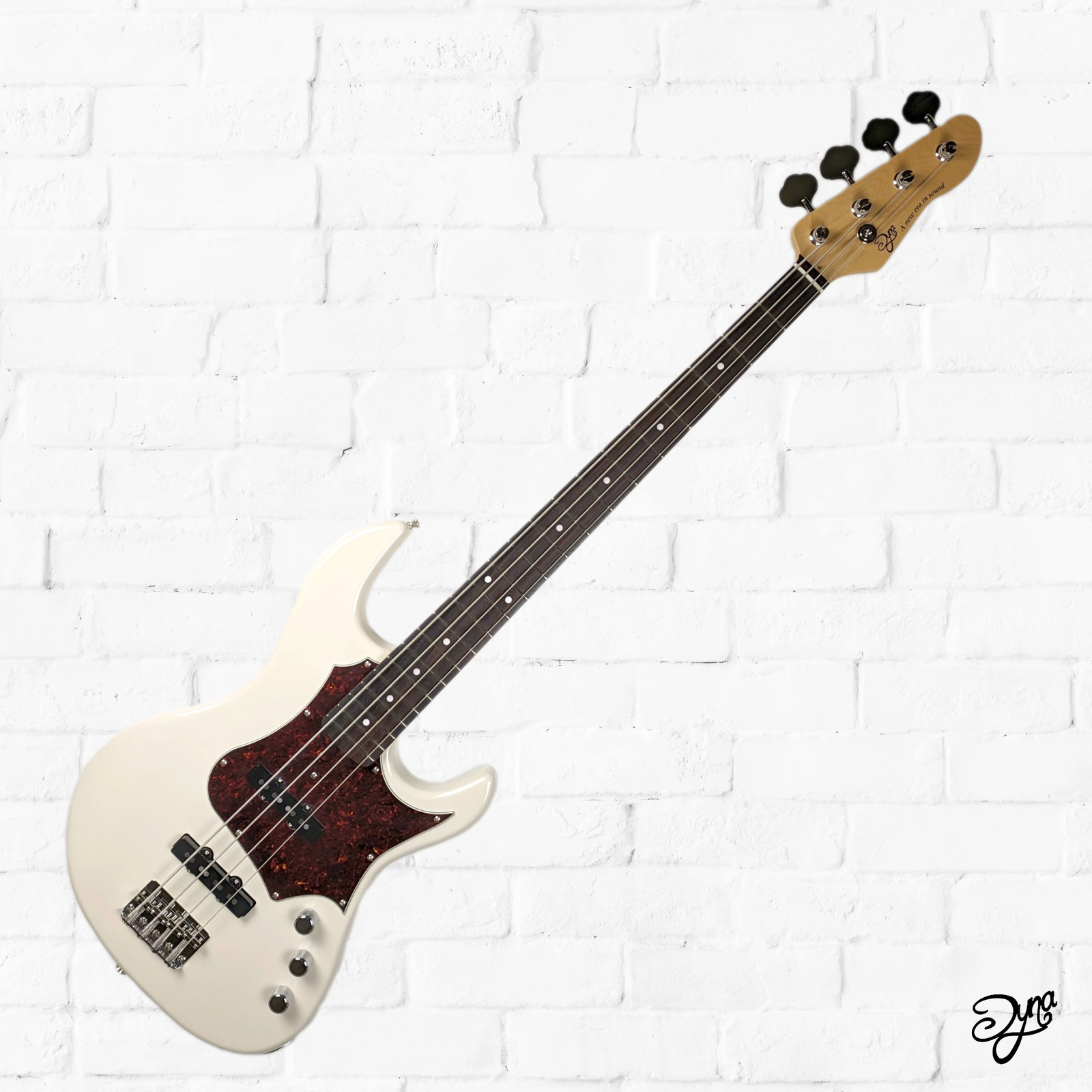
The VL Standard is the entry bass at ¥98,000. Dyna removed the control plate and kept the body to 42mm, and the neck has a compact 38mm nut width with a C-shape grip. Its original pickups are voiced for attack, whether you play with fingers or a pick.
Limited Show Models: The D Series
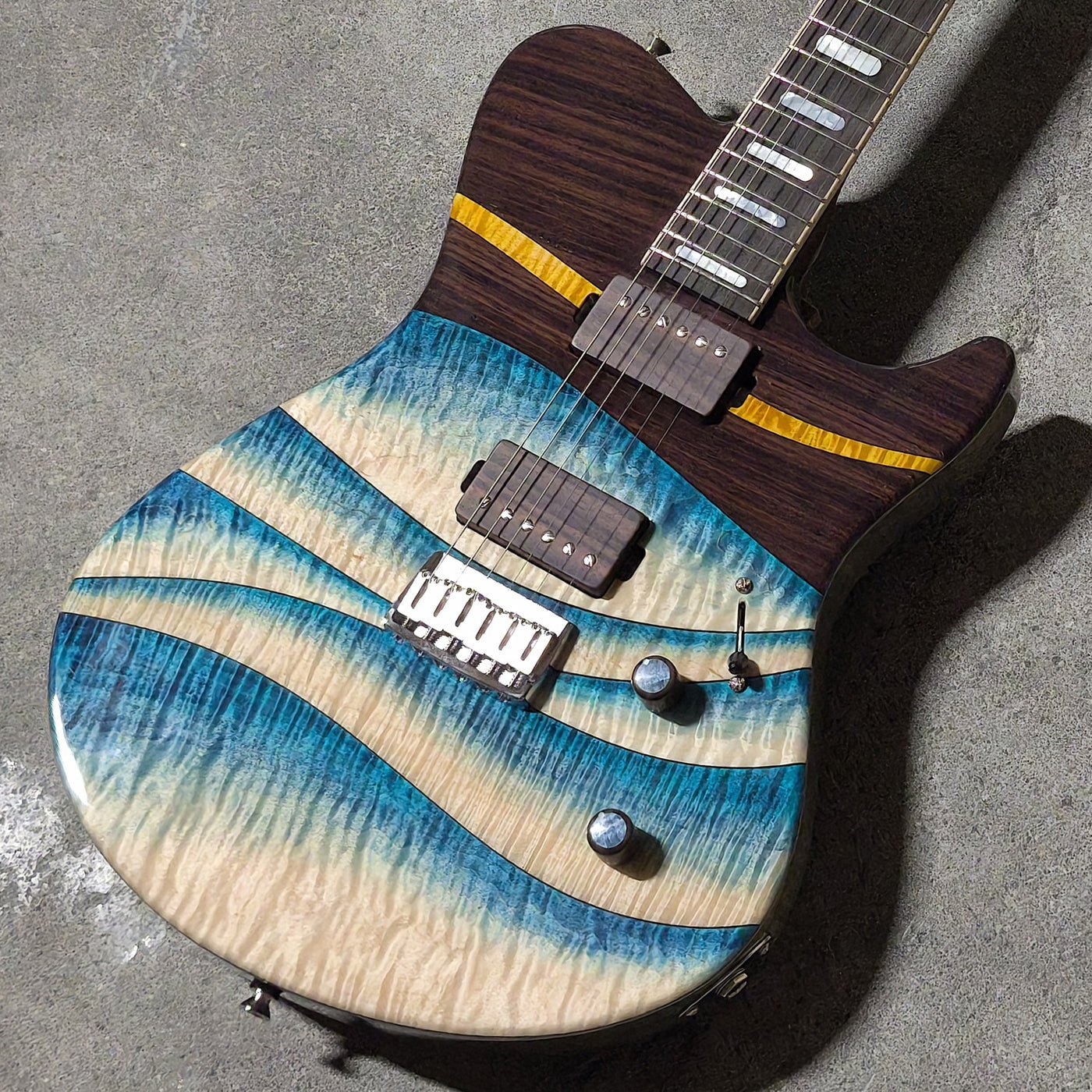
At the top of the range are Dyna’s limited show models, numbered JASTER and MOTIVE “D” guitars priced from about ¥484,000 to ¥605,000. The LTD MOTIVE D-11 is a good example: its body laminates ash and rosewood, and the bold geometric pattern on the top is made entirely from wood inserts rather than paint. Dyna describes the result as the light, open ring of ash combined with the deep low end of rosewood.
There are also PoC models, such as one with a Floyd-type bridge and an angled headstock.
Which Dyna Is Right for You?
| You want… | Dyna optionwhere to look | Whywhat you get |
|---|---|---|
| A Japanese-built Fenderon a budget | Dyna-era Fender Japan (Crafted in Japan or JD) | Usually priced below FujiGen-era guitars |
| An affordable MIJ guitarnew, under ¥100,000 | JA-STER Standard | Offset body, factory setup, made in Japan |
| A modern 7-stringextended range | MOTIVE-II 7-string | Dyna humbuckers, special wiring, TR option |
| A modern bass4 or 5 strings | KUSABI-II or VL Standard | Preamp-equipped KUSABI-II, or the simple VL |
| Something rarecollector or one-off | D series show models | Limited builds with special woods and inlays |
Where to Buy
New Dyna instruments are sold direct from the factory through the official Dyna webstore, where prices are listed in yen. Dyna-era Fender Japan guitars turn up regularly on the used market in Japan and abroad; check the marking and serial before you buy, using the table above.
For the latest models and factory news, Dyna also posts on X (@Dynamusic_corp).
My Take
In my view, Dyna-era guitars are underrated. Judge the guitar in front of you, not the factory name behind it.
Final Thoughts
Dyna Gakki spent most of its 50-plus years building guitars that carried other people’s names, above all Fender’s. Its Crafted in Japan and later Made in Japan Fender Japans are often overshadowed by the FujiGen era, but they are solid Japanese-built Fenders and often a better deal. And with its own Dyna brand, sold factory-direct and set up by hand, the company is finally putting its name on the headstock.
Frequently Asked Questions
What is Dyna Gakki?
A Japanese guitar manufacturer founded in 1972 in Chino, Nagano. It handles every stage of production in-house and is known for building Fender Japan after FujiGen.
Did Dyna Gakki make Fender Japan?
Yes. From around 1995, Fender Japan guitars marked Crafted in Japan were assembled at Dyna with outsourced woodwork, and from 2007 guitars fully built at Dyna were marked Made in Japan.
What does Crafted in Japan mean on a Fender?
It usually marks the Dyna Gakki period from around 1995, when woodwork was outsourced to companies such as Tokai and Terada and final assembly was done at Dyna Gakki.
What does a JD serial mean?
JD serials start in 2012 on Dyna-built Fenders. The two digits after JD are the year, so JD12 means 2012.
Are Dyna-made Fender Japan guitars bad?
No. They are often rated below FujiGen-built ones, but they are highly regarded guitars in their own right.
Does Dyna Gakki still make Fenders?
Its official company profile lists Fender Musical Instruments Corporation as its main customer.
Does Dyna have its own guitar brand?
Yes. Dyna sells the JA-STER, MOTIVE-II, KUSABI-II and VL lines direct from its official webstore, plus limited D series show models.




Hi, I recently purchased a Les Paul RCL 80 Burny with Vh1 pickups in white with gold hardware with a serial number on the wood under the pickup, could you tell me if this model was made in the Dyna Gakki factory.
Thanks James